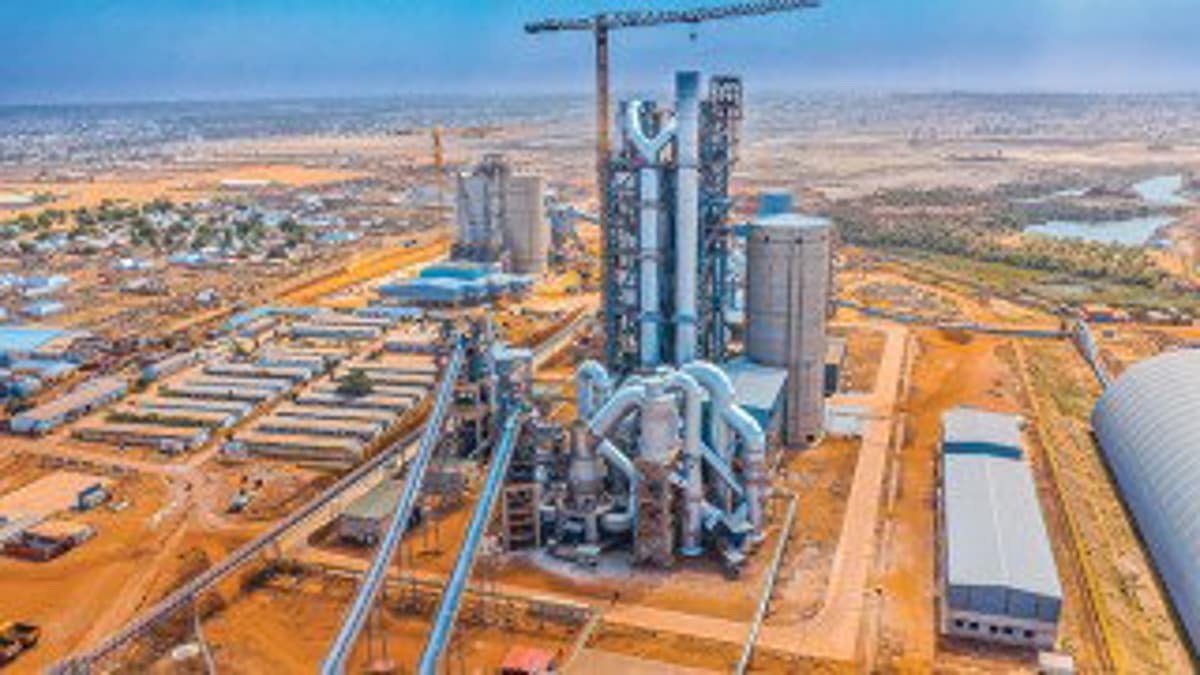
Nigerian Homeownership Dreams Crumble as Cement Prices Soar
Why It Matters
Escalating cement costs threaten to stall Nigeria’s much‑needed housing supply, risking a generation locked out of home ownership and amplifying social‑economic inequality.
Key Takeaways
- •Cement bags cost NGN 11,000‑15,000 (US$8‑11) in March 2026.
- •Housing deficit widens as construction costs outpace wage growth.
- •Government blames market concentration; producers cite energy and logistics hikes.
- •Homebuyers face permanent renting or unsafe informal settlements.
- •Experts warn a generation may be locked out of property market.
Pulse Analysis
Nigeria’s housing crunch has long been a policy priority, but the recent cement price surge has turned a structural shortage into an acute crisis. Cement, the backbone of any building project, now commands up to US$11 per bag, a level that inflates the cost of a modest 3‑bedroom home by tens of thousands of dollars. With a population exceeding 200 million and urban migration accelerating, demand for affordable units far outstrips supply. The price shock compounds existing challenges such as limited financing, weak land‑use planning, and a shortage of skilled labor, creating a perfect storm for developers.
Developers and architects report that the cost escalation is eroding profit margins and forcing many to postpone or cancel projects. The market is dominated by a handful of large cement manufacturers, prompting accusations of oligopolistic pricing. While producers point to rising energy tariffs, diesel costs, and logistics bottlenecks as drivers, critics argue that insufficient competition and weak regulatory oversight allow margins to balloon. The federal government has pledged to investigate the pricing structure, but concrete policy tools—such as subsidies, import‑tariff adjustments, or incentives for alternative building materials—remain under discussion.
The broader economic implications are stark. Homeownership is a key wealth‑building mechanism; its erosion can deepen income inequality and stifle consumer spending. Urban planners warn that prolonged reliance on informal settlements raises safety and public‑health risks. Potential remedies include expanding low‑interest mortgage schemes, encouraging the use of locally sourced pozzolanic materials, and fostering public‑private partnerships to develop mass‑housing projects. Without decisive intervention, Nigeria risks a prolonged slowdown in its construction sector, with knock‑on effects for employment, GDP growth, and social stability.
Nigerian homeownership dreams crumble as cement prices soar
Comments
Want to join the conversation?
Loading comments...