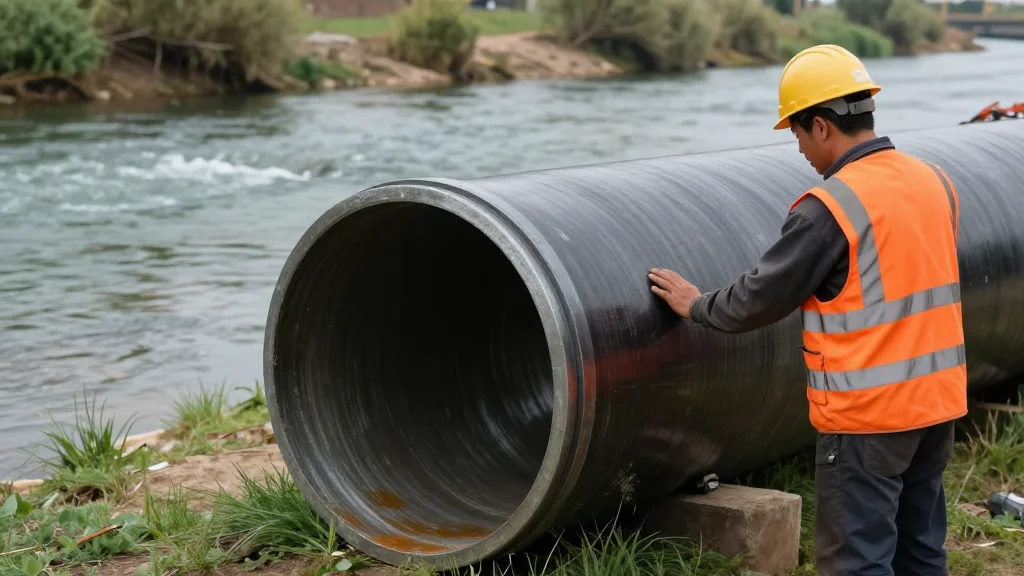
North East Water Infrastructure Project Sees Completion of £92.5M First Phase
Companies Mentioned
Why It Matters
The project strengthens water‑supply reliability for County Durham and Tees Valley while cutting operating costs and carbon emissions, setting a benchmark for sustainable utility upgrades in the UK.
Key Takeaways
- •Phase 1 delivered 30 km of new pipeline for £92.5M ($117M)
- •15 road crossings include A68 tunnel to avoid traffic disruption
- •Dual pipes tunnel beneath River Tees, protecting wildlife and watercourse
- •Gravity‑driven design cuts pump energy, lowering operational costs
- •Post‑construction land reinstatement aims to improve 15‑hectare habitat
Pulse Analysis
The North East water‑infrastructure rollout reflects a broader shift among utilities toward resilient, low‑carbon networks. By routing the new 57‑km pipeline to maximise gravity flow, Northumbrian Water sidesteps the energy‑intensive pumping stations that traditionally dominate water distribution. This engineering choice not only trims operating expenses—savings that can be passed on to ratepayers—but also aligns with the UK’s net‑zero targets, showcasing how legacy systems can be modernised without sacrificing fiscal prudence.
Beyond the engineering feats, the project underscores the importance of environmental stewardship in large‑scale infrastructure. Tunnelling under the River Tees and executing 15 road crossings with minimal surface disruption demonstrate a commitment to preserving local ecosystems and community mobility. The accompanying 31‑year habitat‑enhancement initiative, aimed at converting 15 hectares of degraded grassland into thriving wildlife corridors, adds a lasting ecological legacy that extends the benefits of the water‑supply upgrade well beyond its operational lifespan.
For investors and policymakers, the Northumbrian Water effort offers a template for balancing capital outlays with long‑term value creation. The £92.5 million first‑phase spend, funded through regulated asset base mechanisms, is expected to reduce future maintenance costs and mitigate outage risks associated with aging mains. As climate volatility intensifies, such proactive resilience projects become critical assets, potentially influencing rate‑setting decisions and encouraging similar investments across the UK’s water sector.
North East water infrastructure project sees completion of £92.5M first phase
Comments
Want to join the conversation?
Loading comments...