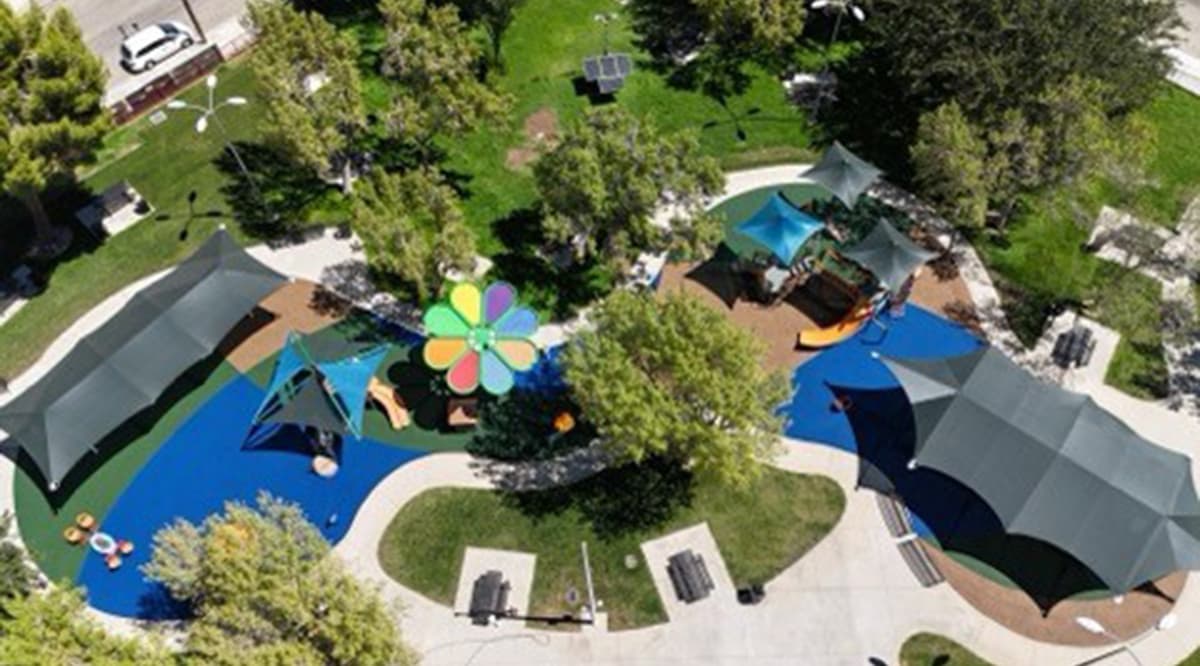
Old Gym Flooring Repurposed for Safe, Durable Playground Surfacing in Los Angeles
Why It Matters
The initiative proves that high‑volume rubber waste can be rapidly transformed into community assets, advancing circular‑economy goals while satisfying stricter local recycling regulations. It offers a replicable model for gyms, municipalities, and manufacturers seeking sustainable, cost‑effective solutions.
Key Takeaways
- •11,500 sq ft (165k lb) of gym flooring reclaimed for playgrounds.
- •Material turned into Spectra Pour surfacing for 18 Southern California parks.
- •Two‑week turnaround proves rapid, local circular supply chain.
- •Meets LA ordinance requiring 70% recycling of demolition debris.
- •Collaboration links gyms, recyclers, and playground manufacturers.
Pulse Analysis
The rubber industry faces a mounting waste challenge as millions of square feet of gym flooring and tire‑derived surfacing reach end‑of‑life each year. Traditional disposal routes—landfills or incineration—carry high environmental costs and growing regulatory pressure. Circular‑economy frameworks like Ecore’s TRUcircularity program address this gap by establishing a closed‑loop system that captures post‑consumer rubber, processes it, and feeds it back into high‑performance applications, thereby extending material lifespan and reducing carbon footprints.
In Los Angeles, the partnership between Ecore, Equinox, SpectraTurf, and Landscape Structures turned that theory into practice. Within a fortnight, 11,500 sq ft of worn gym tiles were collected from five Equinox clubs, processed at a nearby facility, and installed as Spectra Pour surfacing in 18 municipal playgrounds, including Belvedere Park and South Broadway Pocket Park. The rapid turnaround not only satisfied the city’s 70% recycling mandate but also delivered a durable, low‑maintenance surface that meets safety standards for children’s play areas. Stakeholders benefited from streamlined permitting, local logistics, and a clear sustainability narrative that resonates with community members.
The success of this project signals broader market implications. Fitness chains, schools, and commercial facilities can now view their rubber assets as a resource rather than waste, unlocking new revenue streams and compliance pathways. As municipalities tighten recycling ordinances and consumers demand greener amenities, the demand for circular surfacing solutions is poised to grow. Companies that invest in scalable reclamation infrastructure will likely capture a competitive edge, driving innovation across construction, sports, and public‑space sectors while contributing to a more resilient, low‑carbon economy.
Old Gym Flooring Repurposed for Safe, Durable Playground Surfacing in Los Angeles
Comments
Want to join the conversation?
Loading comments...