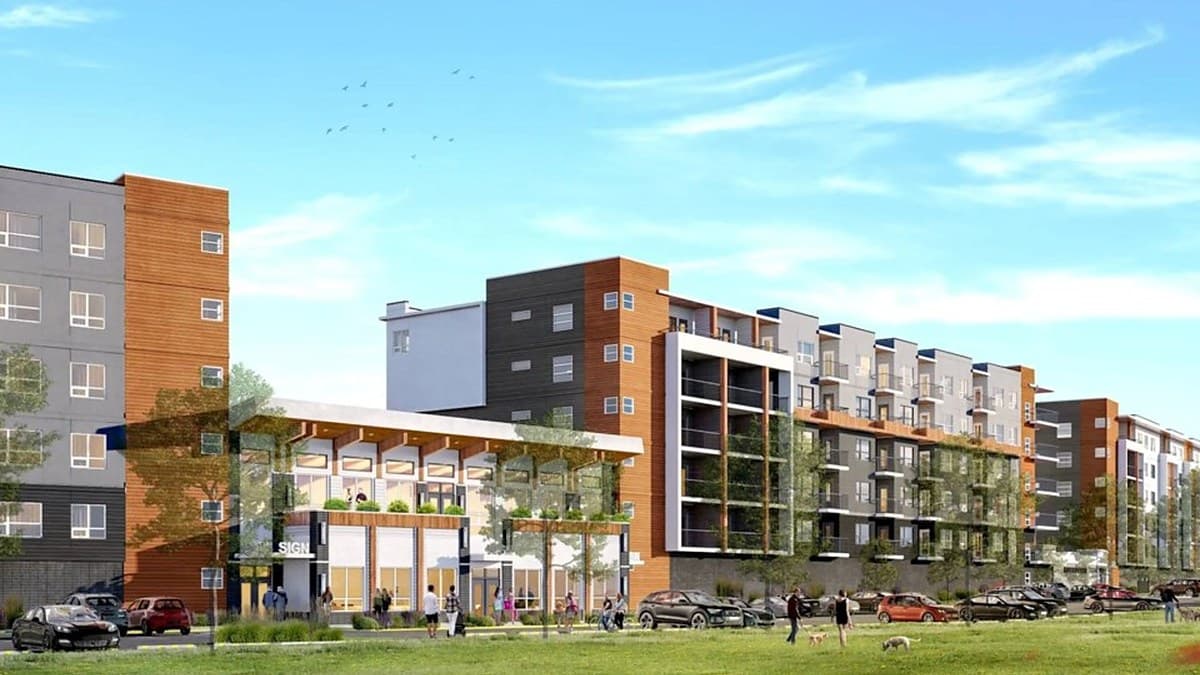
Ontario Scraps One Stairwell Rule — Now Wood Frames Half Its Mid-Rise
Why It Matters
The policy reversal unlocks faster, cheaper mid‑rise housing, helping address Canada’s affordability gap and creating a growth runway for timber manufacturers and prefab specialists.
Key Takeaways
- •Ontario wood-frame share hit 50% of 5‑6‑storey builds
- •Removing stairwell rule cut construction costs and boosted adoption
- •Prefabricated panels enable one‑floor‑per‑day builds, shaving 48 days
- •BC leads with 80% wood share; Ontario poised for growth
Pulse Analysis
The Ontario Building Code’s 2023 amendment—dropping the mandatory non‑combustible stairwell for mid‑rise wood structures—has reshaped the province’s construction landscape. By allowing entire five‑ to six‑storey buildings to be wood‑framed, developers sidestep the extra expense of fire‑rated stair cores, a barrier that previously limited timber’s market penetration. This regulatory flexibility aligns with broader Canadian objectives to boost sustainable building practices and reduce reliance on steel and concrete, especially as housing demand outpaces supply.
Beyond the code change, the adoption of panelised mass‑timber systems delivers tangible productivity gains. Factory‑built wall and floor panels arrive on‑site ready for rapid assembly, enabling crews to complete a full floor in a single day—a feat demonstrated at Franklin Flats, where the schedule was compressed by 48 days. The use of engineered lumber such as LVL, LSL, and parallel‑strand timber also improves fire performance and dimensional stability, offsetting the modest premium over conventional lumber. These efficiencies translate into lower labor costs, reduced material waste, and minimized neighbourhood disruption, making wood a compelling choice for developers targeting affordable, high‑quality housing.
Ontario’s 50% wood‑frame share still trails British Columbia’s 80% penetration, but the gap signals ample upside. Coupled with recent code allowances for up to 18‑storey mass‑timber towers, the province is poised to become a hotbed for prefab timber innovation. Lumber producers, panel manufacturers, and engineering firms stand to benefit from an estimated surge in demand, potentially adding hundreds of millions of board feet to Canada’s annual timber consumption. As municipalities grapple with housing shortages, wood’s speed, sustainability, and cost advantages position it as a strategic tool for meeting future residential needs.
Ontario Scraps One Stairwell Rule — Now Wood Frames Half Its Mid-Rise
Comments
Want to join the conversation?
Loading comments...