Opportunities, Not Burdens: CAHP Says Adaptive Reuse Can Cost Less than New Construction
Why It Matters
The findings prove that retrofitting existing structures can be a cheaper, greener alternative to new builds, prompting developers and regulators to reconsider code frameworks and investment strategies. This shift supports climate goals while preserving community heritage assets.
Key Takeaways
- •Adaptive reuse projects cost less than demolition‑new builds
- •Retrofits cut embodied carbon by preserving existing structures
- •Flexible building codes could de‑risk renovation projects
- •Canadian case studies show faster permitting and occupancy
- •Industry shift expected: 75% of buildings to remain through 2050
Pulse Analysis
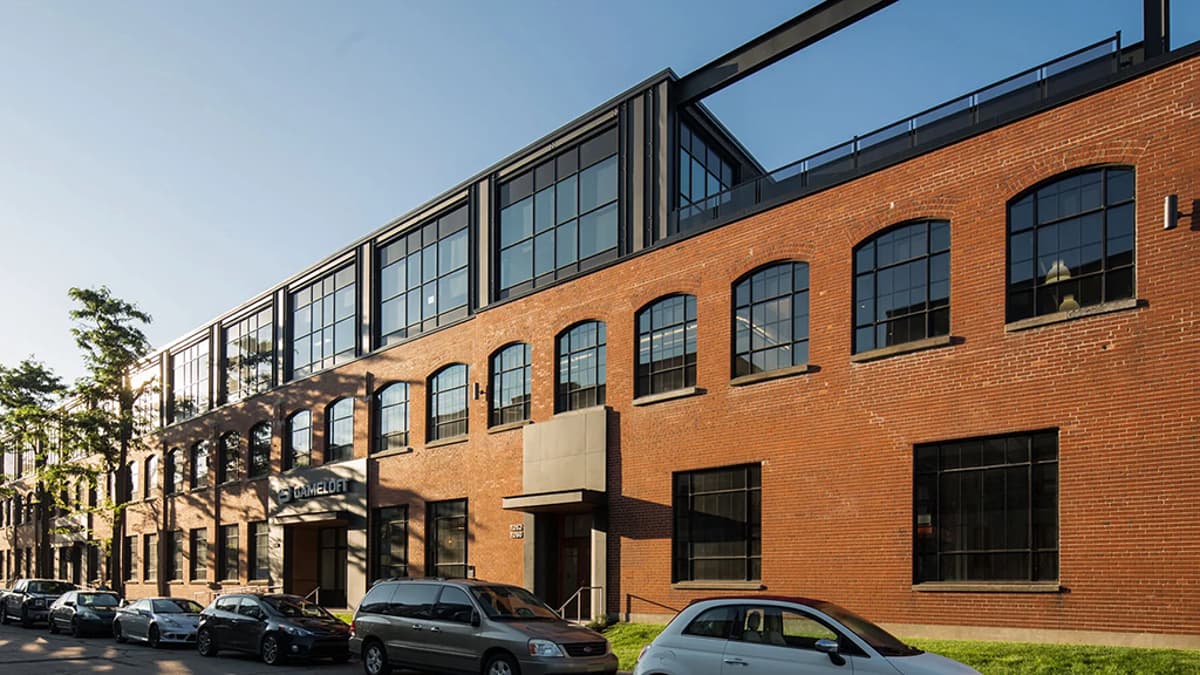
Adaptive reuse is emerging as a financially viable and environmentally responsible strategy in Canada, according to a new CAHP report. By preserving structural elements such as concrete frames, foundations and building envelopes, the three studied projects achieved lower embodied carbon and reduced life‑cycle costs compared with brand‑new construction. The Halifax office‑to‑residential conversion, the Montreal textile‑factory overhaul, and the Vancouver historic‑home retrofit each demonstrated that a conservation‑first approach can deliver market‑ready space faster than a demolition‑new‑build timeline, underscoring the hidden value in existing building stock.
Despite these advantages, many developers shy away from retrofits because current building codes lack clear pathways for performance compliance. CAHP highlights that flexible, outcome‑based code options would de‑risk projects, allowing contractors to address unforeseen conditions without defaulting to demolition. Streamlined permitting, already evident in the Halifax case where units were rented while a neighboring new‑tower site remained a hole, could further accelerate project delivery and reduce financing costs. Policymakers are therefore urged to codify adaptive‑reuse guidelines that balance safety, sustainability and economic feasibility.
The broader industry implication is a gradual pivot toward renovation as a core growth engine. With an estimated 75% of today’s buildings expected to still stand in 2050, the sector faces both a climate imperative and a practical need to extend the useful life of the built environment. Large firms are beginning to reallocate resources from speculative new builds to retrofitting, a trend that CAHP predicts will intensify over the next five years. By investing in workforce training and material‑reuse expertise, the construction ecosystem can meet carbon reduction targets while unlocking new revenue streams from heritage‑rich, cost‑effective projects.
Opportunities, not burdens: CAHP says adaptive reuse can cost less than new construction
Comments
Want to join the conversation?
Loading comments...