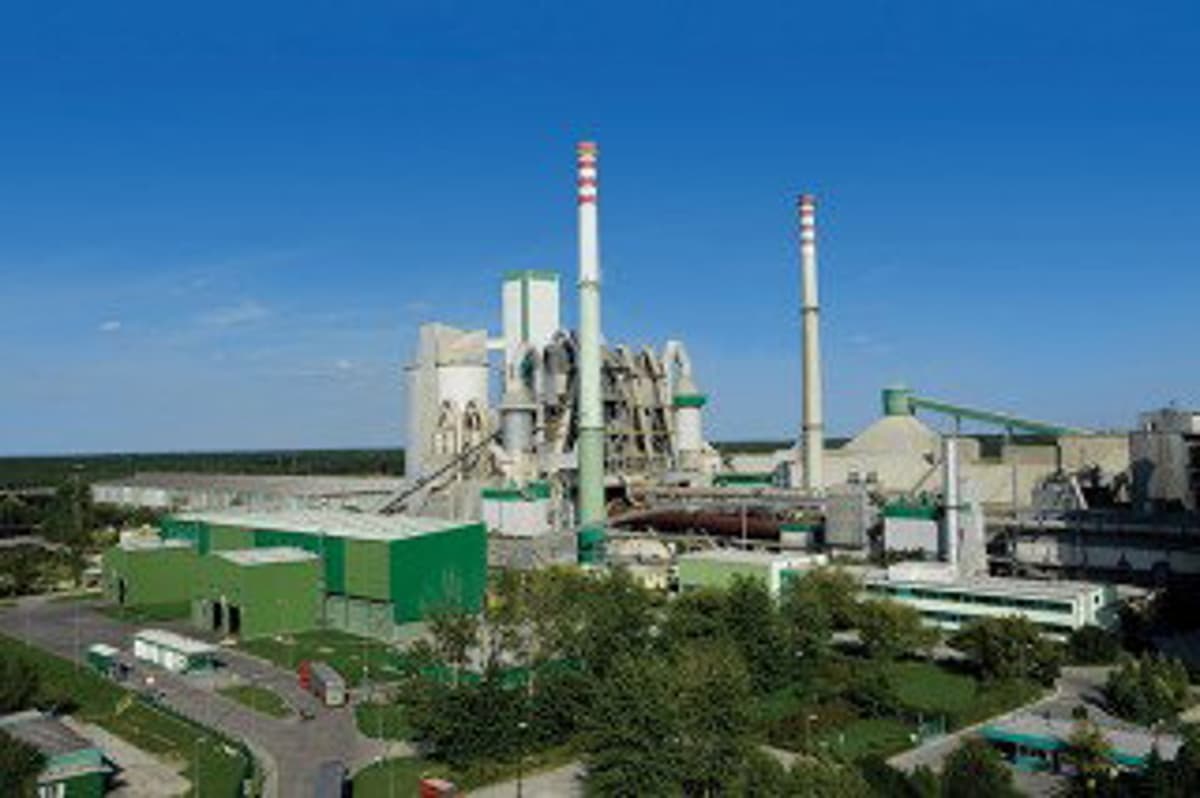
Polish Cement Sector Faces Economic Strain
Why It Matters
The sector underpins Poland’s infrastructure and defence projects, so a sustained decline threatens supply security and jobs, while uneven regulatory costs risk reshaping the European cement market.
Key Takeaways
- •Output projected to fall 2% YoY, reaching 16.8 Mt by 2026.
- •Imports expected to exceed 2 Mt, driven largely by Ukrainian producers.
- •Energy costs exceed 35% of production expenses for Polish plants.
- •EU carbon price could rise to €123‑150/t (~$135‑$165/t) by 2030.
- •Industry urges government aid and carbon border adjustments to level playing field.
Pulse Analysis
Poland’s cement sector, a cornerstone of the nation’s construction and defence supply chain, is now grappling with a dual squeeze of falling domestic output and rising foreign competition. Forecasts show a modest 2% annual decline, trimming total production to 16.8 million tonnes by 2026, while imports—primarily from Ukraine—are projected to surpass 2 million tonnes. This influx is driven by Ukrainian manufacturers’ lower labor, energy, and environmental compliance costs, creating price differentials that Polish producers struggle to match.
The regulatory landscape intensifies the pressure. EU climate directives force Polish plants to absorb stringent carbon‑pricing schemes, inflating energy expenses to over a third of total production costs. Anticipated carbon prices of €123‑150 per tonne—roughly $135‑$165—by 2030 could further erode margins, especially as non‑EU rivals remain exempt from such levies. The disparity not only skews market pricing but also raises questions about the fairness of a level playing field within the single market.
Industry stakeholders are lobbying for decisive policy action. Proposals include targeted energy subsidies, the introduction of a carbon border adjustment mechanism, and stricter import controls to counteract low‑cost foreign supply. Such measures aim to safeguard domestic capacity, protect jobs, and ensure reliable cement availability for critical infrastructure projects. If adopted, they could set a precedent for other EU nations facing similar competitive and environmental challenges, reshaping the continent’s cement landscape for the next decade.
Polish cement sector faces economic strain
Comments
Want to join the conversation?
Loading comments...