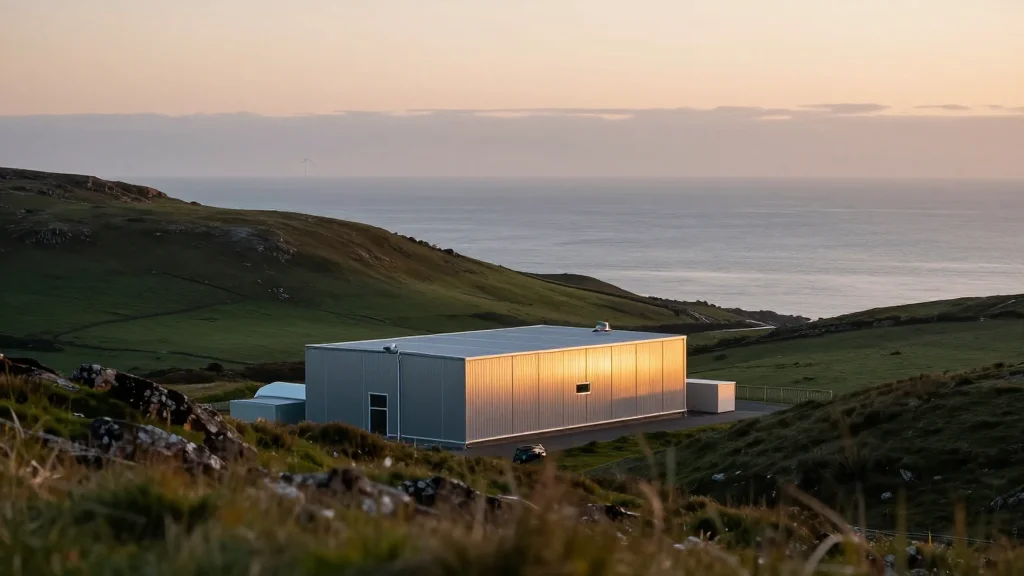
Proposed Scottish Nuclear Study Unlikely to Be Published Before Election
Why It Matters
The delay highlights the clash between Westminster’s nuclear expansion goals and Scotland’s devolved anti‑nuclear stance, shaping the timing and viability of future energy investments in the region.
Key Takeaways
- •£80,000 (≈$100k) study cost, targeting SMR/AMR site selection.
- •Findings due March 2026, but unlikely before May 2024 election.
- •SNP’s anti‑nuclear stance creates a de‑facto moratorium in Scotland.
- •Pre‑election “purdah” rules block UK from releasing politically sensitive data.
Pulse Analysis
Britain’s broader energy strategy is increasingly anchored in nuclear, especially small‑modular reactors (SMRs) that promise lower capital costs and faster deployment. By commissioning Great British Energy – Nuclear to map viable Scottish sites, the Department for Energy Security and Net Zero signals intent to tap the country’s existing nuclear heritage. The modest £80,000 budget reflects an early‑stage scoping exercise, yet the study’s scope—covering gigawatt‑scale SMR and advanced modular reactor (AMR) concepts—aligns with the government’s push to diversify the power mix and meet net‑zero targets.
In Scotland, however, nuclear expansion runs into a political wall. Planning permission is a devolved matter, and the Scottish National Party (SNP) has consistently opposed new nuclear builds, maintaining an effective moratorium despite the UK’s national agenda. This divergence creates uncertainty for investors who must navigate two regulatory regimes and a potential policy reversal after the May 7 election. The timing is critical: a pre‑election “purdah” period restricts civil servants from releasing data that could be seen as partisan, meaning the study’s findings are likely to stay under wraps until after the vote, delaying any concrete decisions on site allocation.
The postponement carries broader implications for the UK’s energy security roadmap. If Scotland remains off‑limits for new nuclear, the government may need to re‑allocate SMR projects to other regions, potentially stretching supply chains and inflating costs. Conversely, a post‑election shift in Scottish policy could unlock new sites, accelerating the rollout of low‑carbon baseload capacity. Stakeholders—from developers to local communities—should monitor the election outcome and subsequent DESNZ sign‑off, as these will dictate the pace at which nuclear can contribute to Britain’s decarbonisation goals.
Proposed Scottish nuclear study unlikely to be published before election
Comments
Want to join the conversation?
Loading comments...