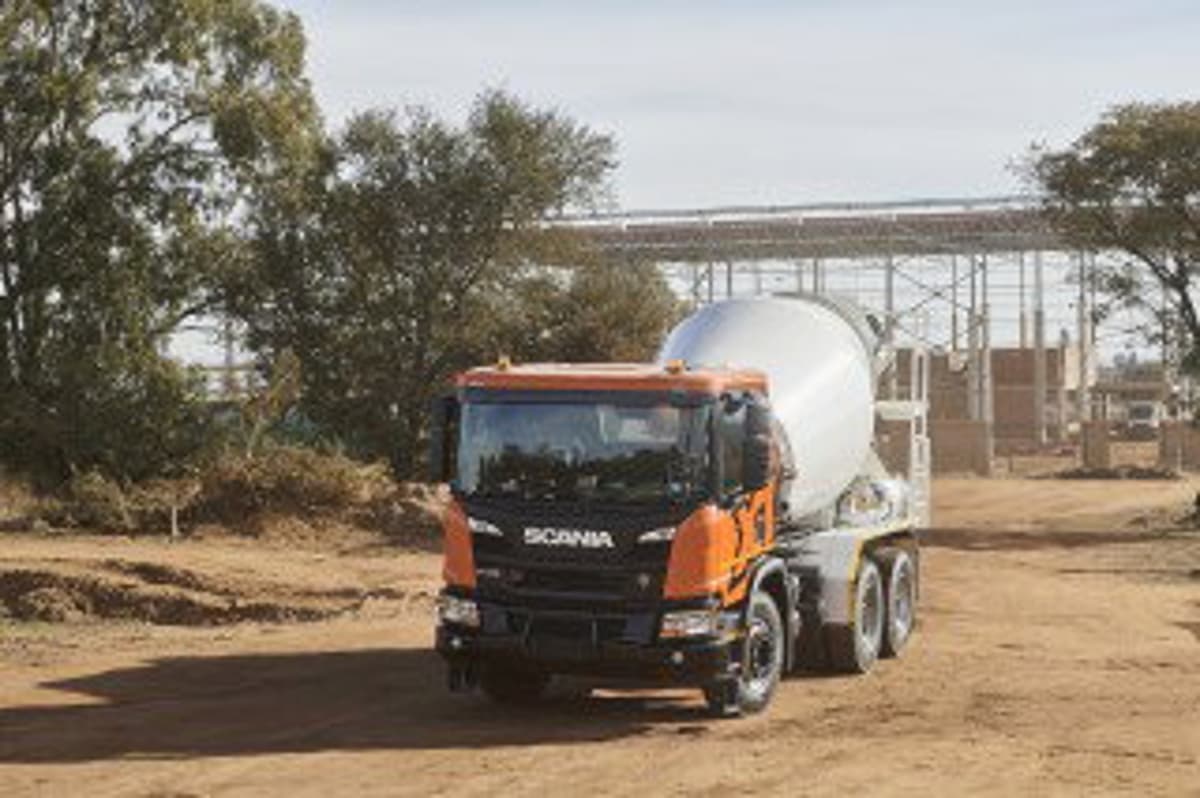
Regulatory Crackdown Leads to Spike in Malaysia Building Material Transport Costs
Companies Mentioned

Why It Matters
Higher transport costs erode margins for Malaysian building‑material firms and raise project budgets, potentially dampening construction activity. The shift also signals broader supply‑chain pressures that could affect regional infrastructure timelines.
Key Takeaways
- •Regulatory changes raise transport fees by up to 30%
- •Construction material prices climb 5-8% nationwide
- •Profit margins shrink for local cement producers
- •Importers face higher logistics costs, delaying projects
- •Industry calls for government‑industry dialogue on cost mitigation
Pulse Analysis
The Malaysian government’s recent crackdown on heavy‑vehicle emissions and road‑usage compliance reflects a growing emphasis on sustainability, but the abrupt policy shift has immediate cost implications for the construction supply chain. By imposing stricter permits and higher per‑kilometre charges, transport operators now face up to a 30% increase in freight expenses. This surge translates directly into higher prices for cement, aggregates and mortar, which are already sensitive to input cost fluctuations. Companies that rely on just‑in‑time deliveries are especially vulnerable, as the added expense squeezes operating margins and forces price adjustments for downstream customers.
For local manufacturers, the cost pressure is two‑fold. Not only must they absorb higher logistics fees, but they also compete with imported materials that may benefit from more stable transport regimes in neighboring countries. As a result, profit margins for firms like Malaysia‑based cement producers are projected to shrink by several percentage points in the current fiscal year. Some players are responding by renegotiating contracts, seeking bulk‑shipping discounts, or investing in alternative transport methods such as rail, which offers lower emissions and potentially lower fees under the new regulations.
The broader industry response underscores the need for a collaborative approach. Construction firms, material suppliers, and regulators are convening to explore cost‑mitigation strategies, including phased implementation of the new rules, subsidies for low‑emission trucks, and streamlined permit processes. If a balanced solution emerges, it could preserve the momentum of Malaysia’s infrastructure growth while aligning with environmental objectives. Failure to address the cost surge, however, risks delaying key projects and could ripple through the Southeast Asian construction market, where Malaysia serves as a pivotal hub.
Regulatory crackdown leads to spike in Malaysia building material transport costs
Comments
Want to join the conversation?
Loading comments...