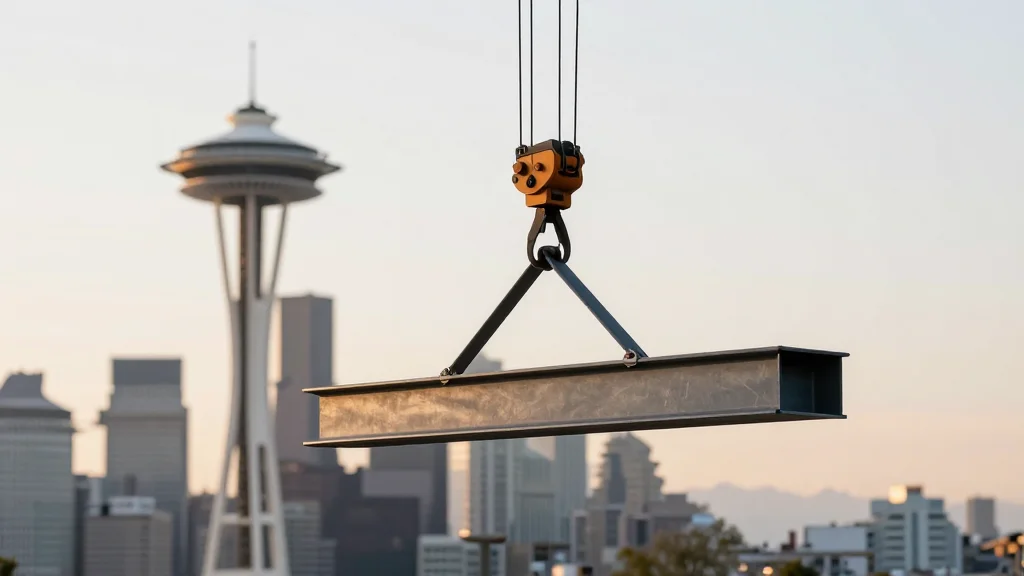
Report: Strong Demand Remains for Infrastructure, Manufacturing, Data Center Construction
Why It Matters
The surge in starts signals strong demand for high‑value projects, influencing pricing, procurement and investment decisions in the Pacific Northwest construction market.
Key Takeaways
- •Seattle construction starts rose 13% in March, signaling project momentum
- •Data center, healthcare, energy, and infrastructure sectors drive planning activity
- •Labor market stabilizes, but material prices still climb modestly
- •Electrical equipment shortages and metal tariffs pressure project budgets
- •Large‑scale projects shape procurement strategies and schedule certainty
Pulse Analysis
Seattle’s construction landscape is entering a period of renewed vigor, as evidenced by a 13% rise in project starts in March. This uptick aligns with broader national trends where infrastructure and manufacturing investments are accelerating after pandemic‑induced slowdowns. The city’s Construction Cost Index reflects not only higher activity but also a diversification of sectors, with data centers, healthcare facilities, and energy projects leading the charge. For investors and developers, the data underscores a shifting risk‑reward calculus, where the promise of higher returns must be weighed against evolving cost dynamics.
The data‑center boom is a particularly potent driver in the Pacific Northwest, fueled by the region’s abundant renewable energy and favorable tax environment. Coupled with federal infrastructure bills and state‑level manufacturing incentives, large‑scale projects are reshaping procurement strategies. Developers are increasingly adopting integrated supply‑chain approaches to lock in pricing and mitigate schedule volatility. This strategic pivot is essential as the sector grapples with tighter margins and heightened competition for skilled labor.
Despite the positive momentum, several headwinds persist. Material prices, especially metals, remain sensitive to global tariffs and supply constraints, while electrical‑equipment shortages threaten to delay critical milestones. Labor market stabilization offers some relief, yet the industry still faces a talent gap in specialized trades. Navigating these challenges will require proactive risk management, flexible financing structures, and close collaboration with suppliers. Companies that can adapt quickly are poised to capture the upside of Seattle’s construction resurgence.
Report: Strong Demand Remains for Infrastructure, Manufacturing, Data Center Construction
Comments
Want to join the conversation?
Loading comments...