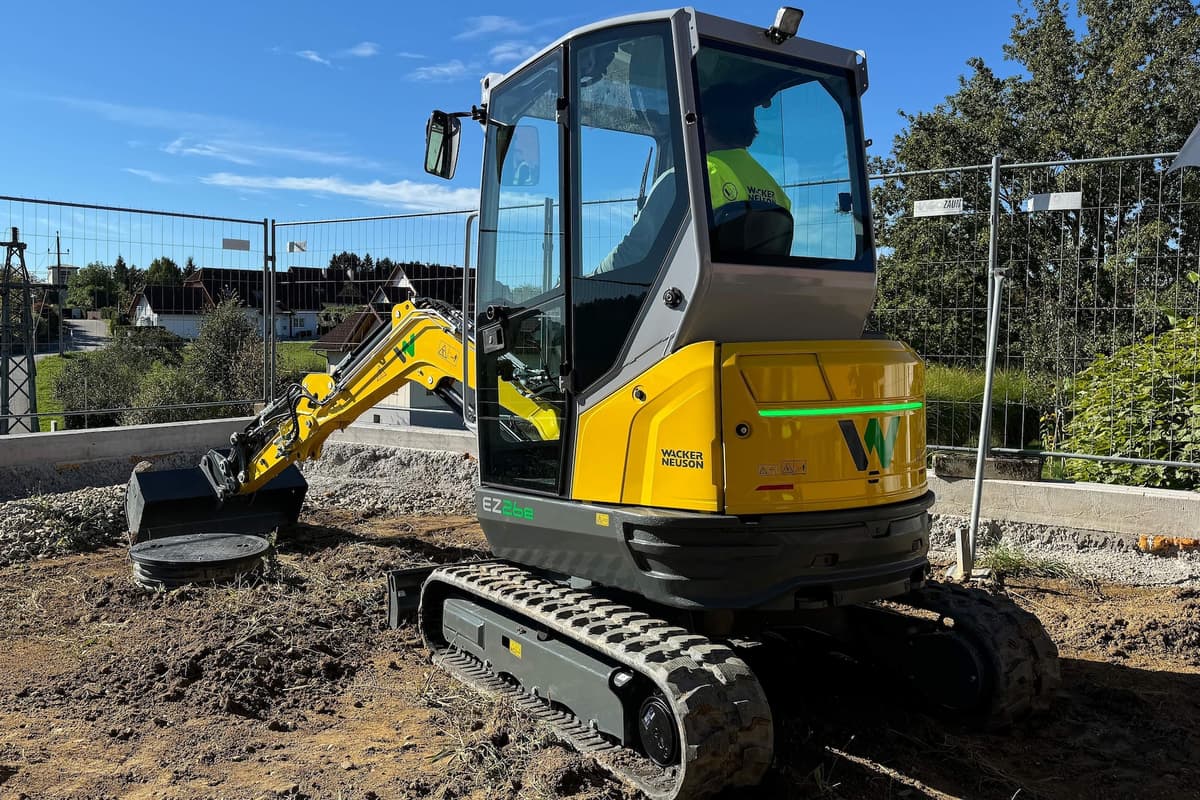
Research Consortium Explores Emission-Free Construction Sites
Why It Matters
Electrifying construction can dramatically cut diesel emissions and noise, helping firms meet tightening environmental regulations while lowering operating costs and creating a scalable model for the sector.
Key Takeaways
- •Integrated software coordinates machines, storage, and grid for electric sites
- •€1.9 M ($2.1 M) Bavarian grant funds three‑year research effort
- •Project unites universities, manufacturers, contractors, and grid operators
- •Holistic approach targets economic viability beyond simple diesel‑to‑electric swaps
Pulse Analysis
Construction remains one of the most carbon‑intensive sectors, with diesel‑powered equipment accounting for a large share of on‑site emissions and noise pollution. As cities tighten air‑quality standards and contractors face rising fuel costs, the pressure to adopt cleaner powertrains is intensifying. Yet the transition to battery‑electric machinery is hampered by more than just equipment availability; inadequate on‑site power infrastructure, lengthy charging cycles, and disjointed project planning have kept fully electric sites out of reach for most developers.
The ForBat@Bau initiative addresses these gaps by embedding digital planning tools that synchronize every element of a construction project. Instead of swapping individual diesel machines for electric counterparts, the consortium’s software models the entire energy ecosystem—grid capacity, temporary storage, charging schedules, and construction workflows—to optimize resource use and minimize downtime. By collaborating with machinery manufacturers, grid operators, and major contractors, the project creates a testbed where real‑world constraints are simulated and resolved before deployment, ensuring that electrified sites can operate reliably and profitably.
If successful, the consortium’s holistic framework could become a blueprint for the global construction industry. Economic viability would stem from reduced fuel expenses, lower maintenance costs, and compliance with emerging emissions regulations. Moreover, the data‑driven approach promises to accelerate innovation in battery technology and modular power solutions, fostering a new market for off‑grid energy services. As the pilot projects mature, stakeholders can expect clearer pathways to scale electric construction across complex, high‑power projects, reshaping how infrastructure is built in the coming decade.
Research consortium explores emission-free construction sites
Comments
Want to join the conversation?
Loading comments...