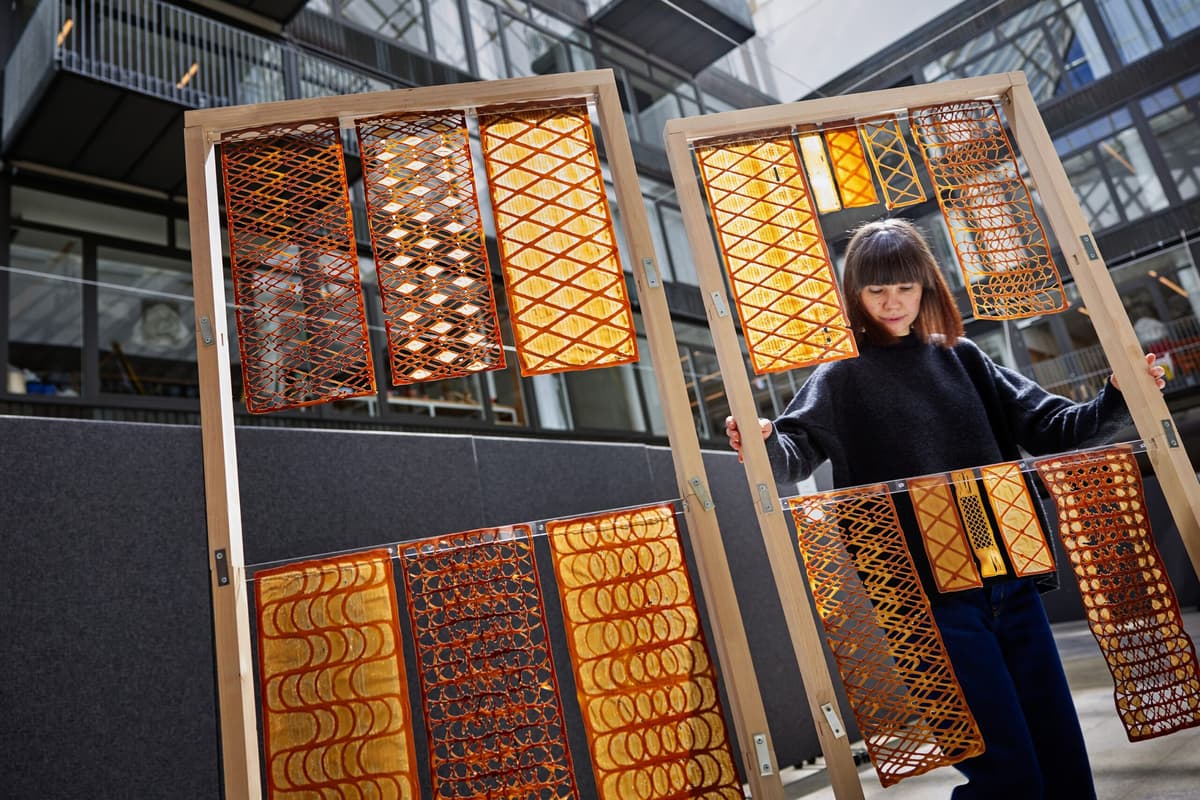
Researchers Claim Printed Yeast Gel Could Replace Plaster and Plastic
Why It Matters
The yeast‑based gel offers a renewable alternative to plaster, plastic and synthetic textiles, potentially reducing construction waste and carbon emissions. Its low‑energy printing process could reshape how interior‑fitout components are manufactured and sourced.
Key Takeaways
- •Printable yeast gel combines yeast, cellulose, alginate, glycerol
- •Material prints at room temperature without energy‑intensive heating
- •Biodegradable gel can replace plaster, plastic, and synthetic textiles
- •Further testing needed for strength, fire safety, and scalability
Pulse Analysis
The breakthrough stems from a simple yet clever formulation: deactivated baker’s yeast acts as a natural binder while cellulose fibers provide tensile strength, alginate stabilises the printed shape, and glycerol adds flexibility. By mixing these ingredients into a soft hydrogel, the researchers enable additive manufacturing at ambient conditions, eliminating the need for high‑temperature kilns or curing ovens that dominate traditional plaster and polymer production. This low‑energy approach aligns with the construction sector’s push toward carbon‑neutral processes and could lower the embodied energy of interior finishes.
Beyond environmental credentials, the yeast gel’s tunability opens new design possibilities. Adjusting ingredient ratios yields variations in translucency, colour and surface texture, making it suitable for daylight‑modulating screens, sun‑protective façades, or bespoke room partitions. Because the material is fully biodegradable and recyclable, it promises a circular lifecycle that contrasts sharply with the long‑lasting, landfill‑bound plastics and gypsum boards currently in use. Architects and interior designers could leverage the material’s 3‑D printing capability to create complex geometries on‑demand, reducing off‑cut waste and inventory costs.
However, commercial viability hinges on addressing performance gaps. Preliminary lab tests have yet to confirm the gel’s load‑bearing capacity, fire resistance, moisture durability, and scalability of production. If these hurdles are overcome, the yeast‑based hydrogel could disrupt supply chains by sourcing ingredients from renewable agriculture rather than petrochemicals, offering a cost‑effective, locally sourced alternative. Investors and construction firms watching the emerging engineered living materials market should monitor further peer‑reviewed studies and pilot projects that validate the material’s real‑world applicability.
Researchers claim printed yeast gel could replace plaster and plastic
Comments
Want to join the conversation?
Loading comments...