Rising Tides, Corrosion Threaten 3M+ Housing Units
Why It Matters
Coastal corrosion threatens the structural integrity of millions of homes, driving costly retrofits and influencing insurance and building‑code decisions across California’s booming shoreline market.
Key Takeaways
- •3.1 M California homes lie within five miles of the coastline
- •Projected sea‑level rise could reach 6.6 ft by 2100, increasing flood risk
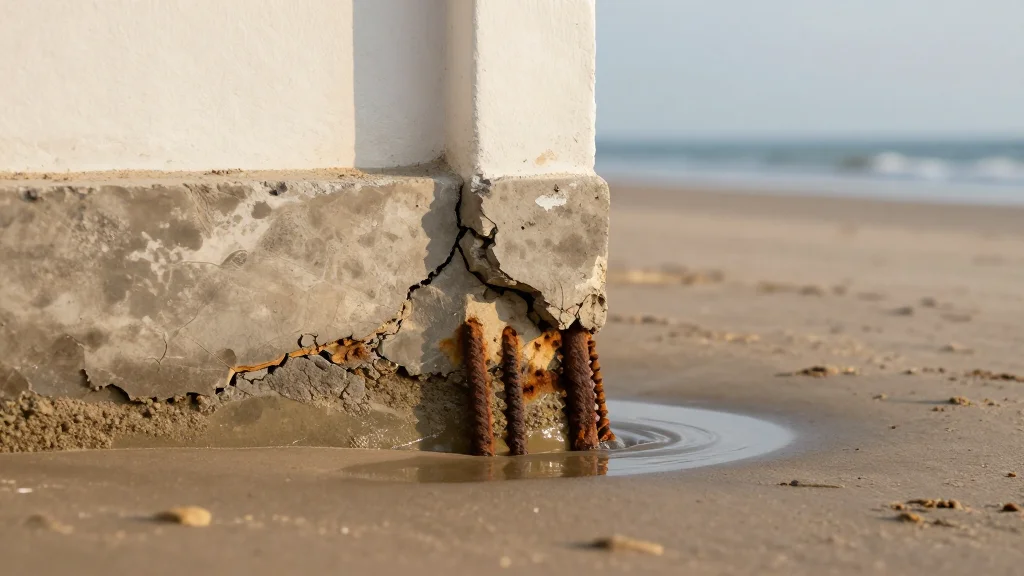
- •Corrosion of rebar in concrete accelerates cracking, spalling in coastal homes
- •Alpha Structural recommends marine‑rated lumber, 316L stainless steel, epoxy‑coated rebar
- •Carbon‑fiber rebar emerges as a promising future material for marine exposure
Pulse Analysis
California’s coastline is more than a scenic backdrop; it is a looming engineering challenge. A recent UCLA Anderson analysis identified 3.1 million housing units within five miles of the ocean, a figure that underscores the scale of exposure to rising tides and salt‑laden air. Sea‑level projections—0.8 feet by 2030, 2.5 feet by 2060, and a staggering 6.6 feet by the end of the century—amplify flood hazards, eroding bluffs, and storm‑driven wave impacts. For property owners, the threat is not merely aesthetic; it translates into accelerated degradation of concrete, timber, and steel components that were never engineered for relentless marine conditions.
The corrosion cascade begins with embedded steel rebar reacting to chloride intrusion, causing concrete to crack, spall, and lose load‑bearing capacity. Older timber pier foundations, common in 1950s‑1960s builds, succumb to rot and moisture‑induced decay, while seawalls can become undermined as shorelines retreat. Alpha Structural, a veteran California engineering firm, offers a practical material hierarchy: reinforced concrete with corrosion inhibitors, region‑specific marine‑rated lumber, 316L stainless steel for structural metal, epoxy‑coated rebar, and closed‑cell insulation for flood‑prone zones. Their guidance emphasizes early detection—visible cracking, flaking steel, and compromised seawalls—to prioritize interventions before catastrophic failure.
The broader market implications are significant. Homeowners face rising repair costs, insurers must reassess risk models, and local governments may tighten building codes to mandate marine‑grade materials. Retrofitting projects also contend with logistical hurdles such as tide‑timed construction and specialized shoring. Looking ahead, innovators are eyeing carbon‑fiber rebar, which promises superior corrosion resistance without the weight penalty of steel. As coastal communities adapt, the convergence of climate science, material engineering, and regulatory action will shape the resilience of California’s shoreline housing stock for decades to come.
Rising Tides, Corrosion Threaten 3M+ Housing Units
Comments
Want to join the conversation?
Loading comments...