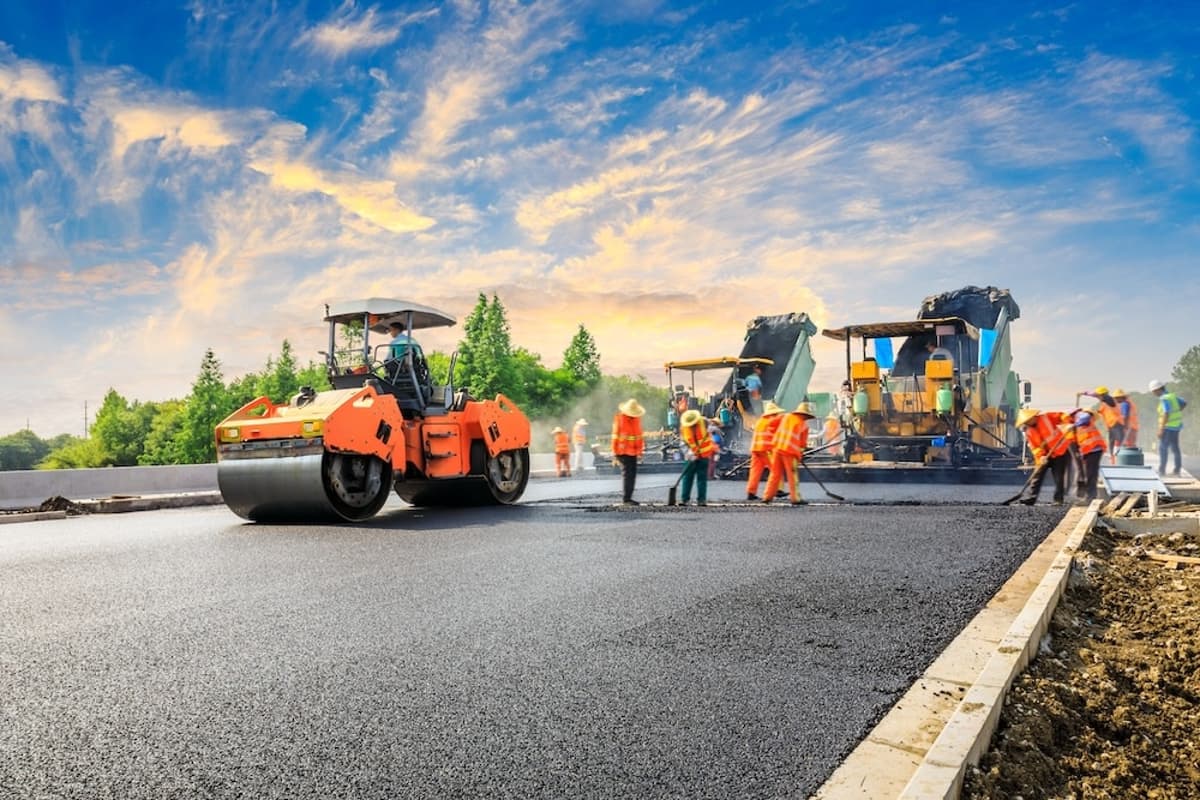
Road Construction Resilient Amid Global Supply Shocks
Why It Matters
These supply‑chain vulnerabilities threaten project budgets and timelines, so addressing them is critical for Australia’s infrastructure reliability and cost control.
Key Takeaways
- •Diesel reserves fell to 34 days, far below IEA 90‑day benchmark
- •Diesel prices jumped 78% in three weeks, straining contracts
- •Fixed‑rate diesel clauses left contractors absorbing extra costs
- •Bitumen reliance on imported C‑class grades exposed supply fragility
- •AfPA urges national diesel escalation framework and supply disruption protocols
Pulse Analysis
The early‑2026 Strait of Hormuz disruption highlighted how global energy shocks can cascade into domestic infrastructure projects. Australia’s road network, a backbone for commerce and regional connectivity, faced a perfect storm of soaring diesel prices and constrained bitumen imports. Yet, projects like the Coffs Harbour Bypass and the North East Link stayed on track, underscoring the sector’s operational agility. This resilience, however, masks systemic weaknesses that could amplify costs and delay timelines if left unaddressed.
A core issue is the nation’s lean fuel reserve strategy. With only 34 days of diesel on hand—far below the International Energy Agency’s 90‑day guideline—contractors were forced to absorb a 78% price spike over three weeks. Existing road contracts typically lock diesel rates, lacking escalation clauses that can adjust for rapid market movements. AfPA’s call for a national diesel escalation framework aims to embed price‑adjustment mechanisms into tender documents, shifting risk from contractors to a more predictable, policy‑driven model.
Equally critical is the dependence on imported C‑class bitumen, governed by AS2008 specifications. When overseas refineries curtailed shipments during the crisis, Australian road authorities scrambled for alternatives, incurring higher costs and logistical complexity. AfPA proposes formal disruption protocols and diversified supply standards to mitigate future shortages. By translating crisis‑driven improvisation into durable policy—covering fuel reserves, contract design, and material sourcing—the sector can safeguard project continuity, protect budgets, and reinforce Australia’s broader economic resilience.
Road construction resilient amid global supply shocks
Comments
Want to join the conversation?
Loading comments...