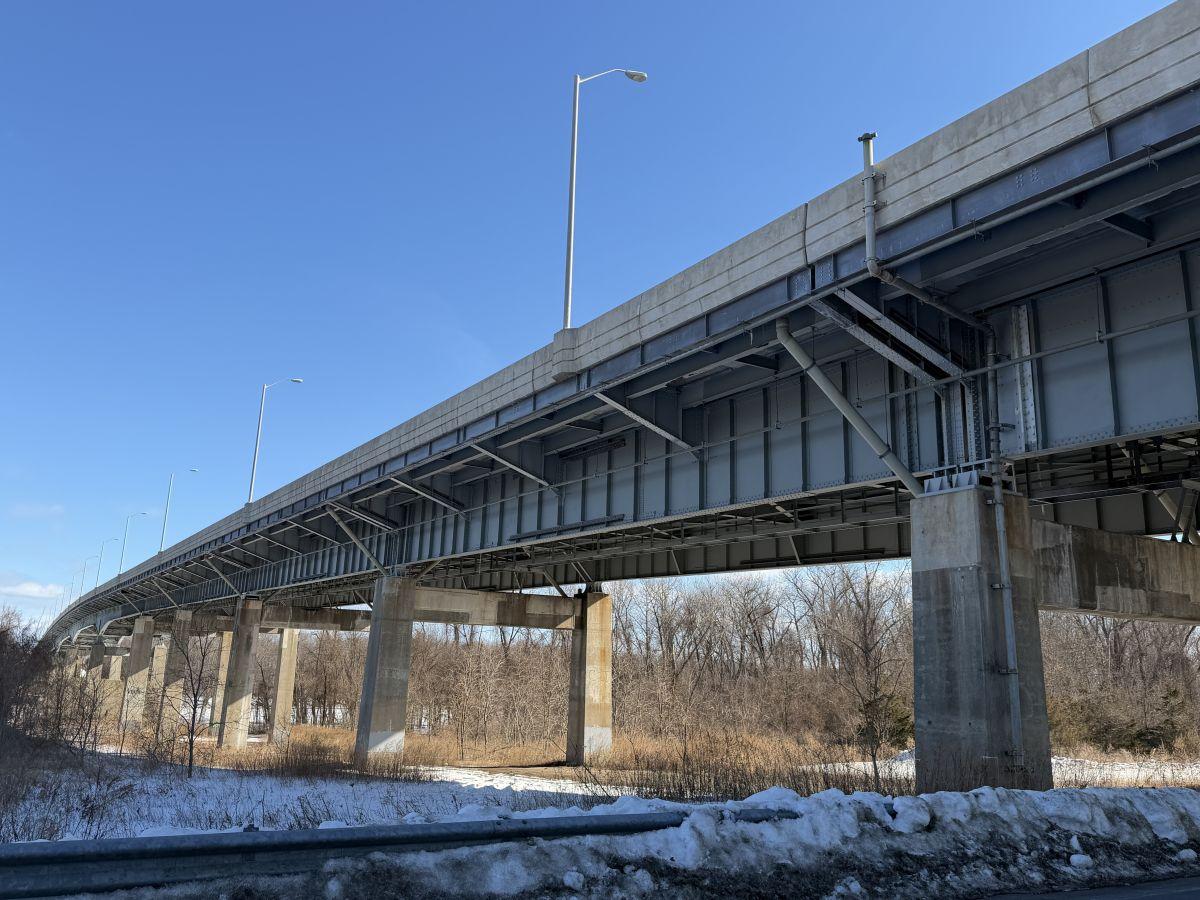
ROTHA Begins $48M Putnam Memorial Bridge Rehabilitation Project in Conn.
Why It Matters
The project raises the bridge’s load rating, allowing heavier legal, permit and emergency vehicles to cross, which bolsters regional transportation reliability and safety. It also demonstrates effective federal‑state collaboration on critical infrastructure upgrades.
Key Takeaways
- •$48M bridge rehab funded 80% federal, 20% state.
- •Load rating increased for legal, permit, emergency vehicles.
- •Steel strengthening and full‑width painting scheduled 2026‑2028.
- •PPC overlay and deck patching enhance durability.
- •ROTHA uses Volvo, JCB, Dynapac equipment for construction.
Pulse Analysis
Across the United States, aging bridges are a growing concern for both safety and economic efficiency. Connecticut’s Putnam Memorial Bridge, a key connector between Wethersfield and Glastonbury, exemplifies the type of infrastructure that requires timely intervention. By securing $48 million—primarily from federal sources—CTDOT is addressing a critical bottleneck, ensuring the structure can accommodate modern traffic demands while extending its service life well beyond the projected 2028 completion date.
The rehabilitation’s technical scope is ambitious. Early phases focus on installing temporary safe‑span platforms that enable workers to reinforce the existing steel superstructure without overloading the bridge. Once the steel is braced, a full‑width platform will support blasting and painting operations, while a polyester polymer concrete (PPC) overlay will be applied to the deck for long‑term durability. ROTHA’s deployment of heavy‑duty Volvo excavators, JCB articulated trucks, Dynapac rollers and JLG manlifts underscores the project’s logistical complexity and the contractor’s capability to manage large‑scale civil works.
Beyond the engineering feats, the project carries significant economic implications. Strengthening the bridge’s load rating opens the corridor to heavier commercial and emergency vehicles, reducing detours and improving supply‑chain fluidity for local businesses. The construction phase generates skilled jobs and stimulates demand for regional equipment suppliers. Moreover, the 80/20 federal‑state funding model serves as a template for future infrastructure initiatives, highlighting how collaborative financing can accelerate critical upgrades without overburdening state budgets.
ROTHA Begins $48M Putnam Memorial Bridge Rehabilitation Project in Conn.
Comments
Want to join the conversation?
Loading comments...