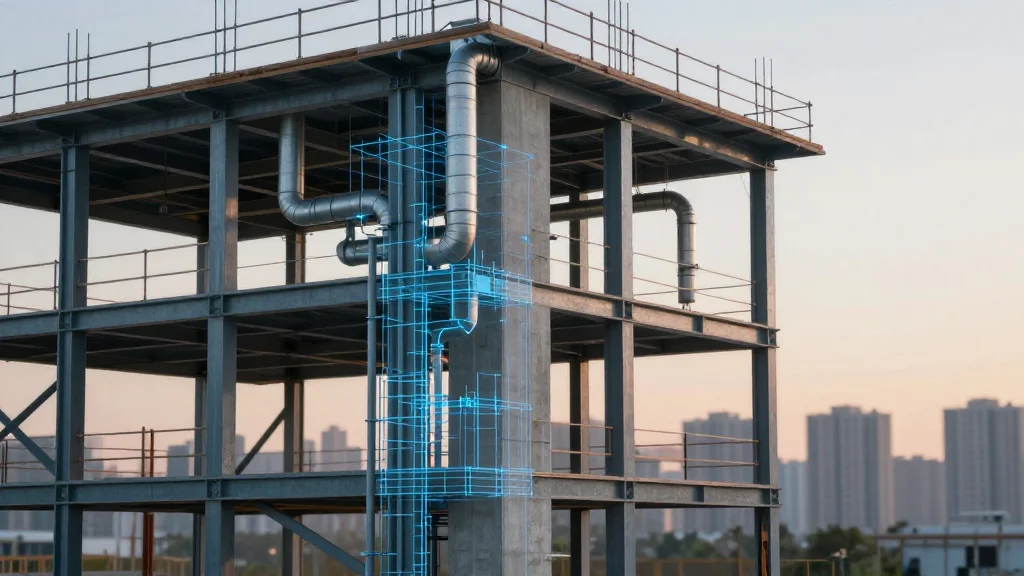
S. A. Miro, Inc.- Data Centers From a Structural Engineers Perspective
Why It Matters
The tight tolerances of data‑center construction mean that any coordination failure can trigger expensive rework and downtime, directly impacting operational reliability and client ROI.
Key Takeaways
- •BIM is essential backbone for data center design, not optional.
- •MEP density drives structural layout, foundation size, and member selection.
- •Early template coordination and frequent BIM meetings prevent costly construction clashes.
- •Rooftop and underground equipment need real-time data to avoid redesign.
- •Continuous cross‑disciplinary communication reduces schedule risk in high‑density projects.
Pulse Analysis
The explosion of cloud services and edge computing has turned data centers into critical national infrastructure, pushing developers to deliver facilities that operate without interruption. In this environment, Building Information Modeling (BIM) is no longer a visual aid; it is the shared data environment that synchronizes architects, engineers, and contractors from day one. By embedding every pipe, conduit, and cable in a single, clash‑checked model, BIM eliminates the guesswork that once plagued large‑scale builds and creates a transparent workflow that scales across multiple sites.
From a structural perspective, the sheer density of mechanical, electrical, and plumbing (MEP) systems reshapes every design decision. Columns, framing depths, and foundation mats must be sized around high‑capacity ducts, redundant power trays, and heavy rooftop generators, often requiring heavier, shallower members than conventional office towers. Underground utility corridors add another layer of complexity, as misaligned footings can clash with power and fiber networks, inflating costs dramatically. Real‑time equipment data—weight, attachment points, and clearance—allows engineers to refine member sizing early, avoiding conservative assumptions that later demand costly redesign.
Industry leaders now rely on pre‑validated templates that define routing zones and equipment bays, but these blueprints remain fluid as power codes evolve and client specifications change. Regular BIM coordination sessions, breakout discipline calls, and global design reviews keep the model current and surface conflicts before construction begins. This collaborative cadence not only safeguards project schedules but also protects the high‑value assets housed within the data center, reinforcing operational uptime and client confidence. As data‑center demand continues to surge, firms that embed BIM‑centric coordination into their structural workflow will enjoy a competitive edge.
S. A. Miro, Inc.- Data Centers from a Structural Engineers Perspective
Comments
Want to join the conversation?
Loading comments...