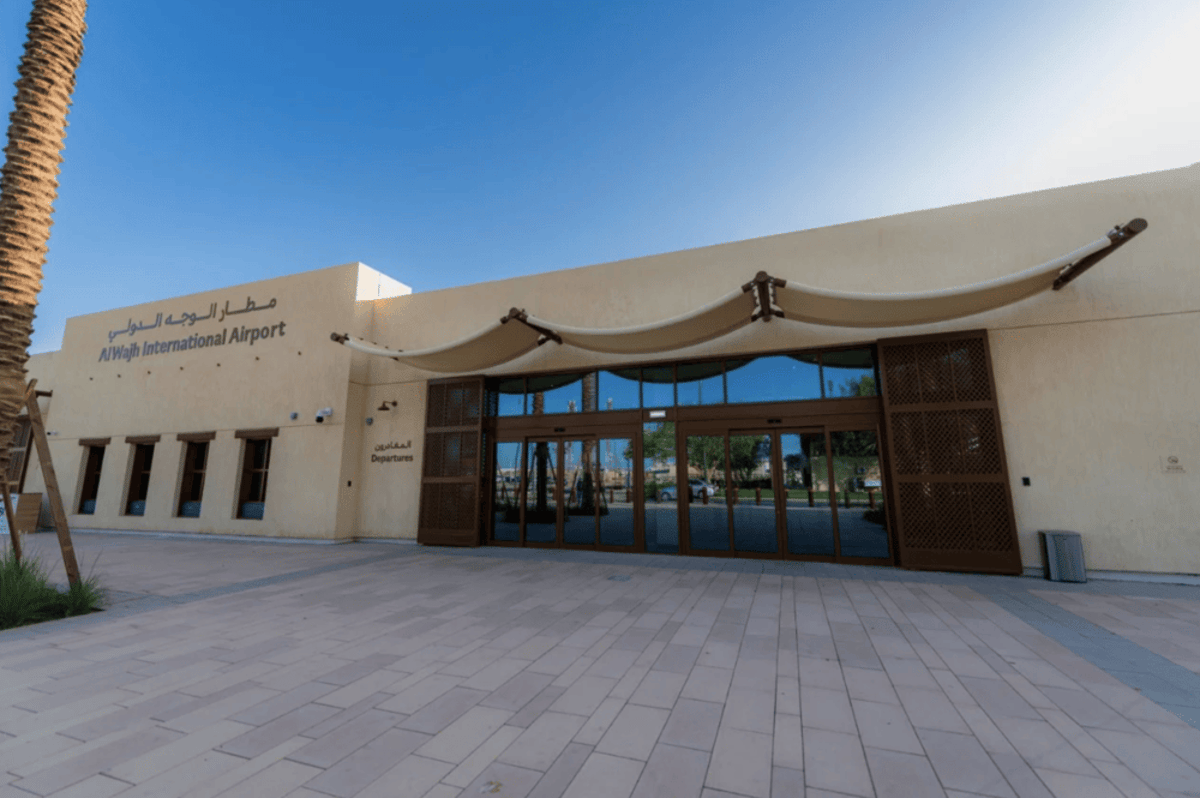
Saudi Arabia’s Expanded AlWajh Airport Opens
Companies Mentioned

Why It Matters
The expanded airport enhances Saudi Arabia’s tourism infrastructure, supporting Vision 2030’s diversification goals and unlocking high‑end visitor flows to the Red Sea region.
Key Takeaways
- •Capacity raised to 500,000 passengers annually
- •Handles Airbus A320, Boeing B737, helicopters, and seaplanes
- •Gateway to $6.1bn Amaala mega‑resort spanning 4,200 sq km
- •Saudia operates three weekly Riyadh and two Jeddah flights
- •Design mirrors Tabuk coastline and AlWajh town architecture
Pulse Analysis
Saudi Arabia’s push to become a premier luxury‑tourism hub is gaining momentum with the completion of AlWajh International Airport’s expansion. The $6.1 billion upgrade, led by Red Sea Global, not only quintupled passenger capacity but also introduced infrastructure capable of handling a wide range of aircraft, from narrow‑body jets to seaplanes. By linking directly to the Amaala development—a $6.1 billion, 4,200‑square‑kilometer wellness resort—the airport positions Tabuk Province as a strategic entry point for affluent travelers seeking exclusive Red Sea experiences.
Operationally, the airport now supports three weekly Saudia flights from Riyadh and two from Jeddah, with international routes slated for launch later this year. The ability to host Airbus A320s and Boeing 737s expands airline options, while dedicated facilities for helicopters and seaplanes cater to niche tourism segments such as yacht charters and adventure excursions. This connectivity boost is expected to accelerate visitor numbers, stimulate local employment, and attract ancillary services ranging from hospitality to logistics, thereby reinforcing the region’s contribution to Saudi Arabia’s broader economic diversification agenda.
Looking ahead, AlWajh’s modernized terminal and culturally resonant design—drawn from the Tabuk coastline and AlWajh’s architectural heritage—serve as a showcase for the Kingdom’s commitment to high‑quality, sustainable tourism. As Vision 2030 emphasizes experiential travel and wellness, the airport’s capacity and route flexibility will be critical in drawing global high‑net‑worth tourists, positioning Saudi Arabia to compete with established Mediterranean and Caribbean luxury destinations. Continued investment in transport links and service standards will determine how swiftly the Red Sea corridor can capture a meaningful share of the upscale travel market.
Saudi Arabia’s expanded AlWajh airport opens
Comments
Want to join the conversation?
Loading comments...