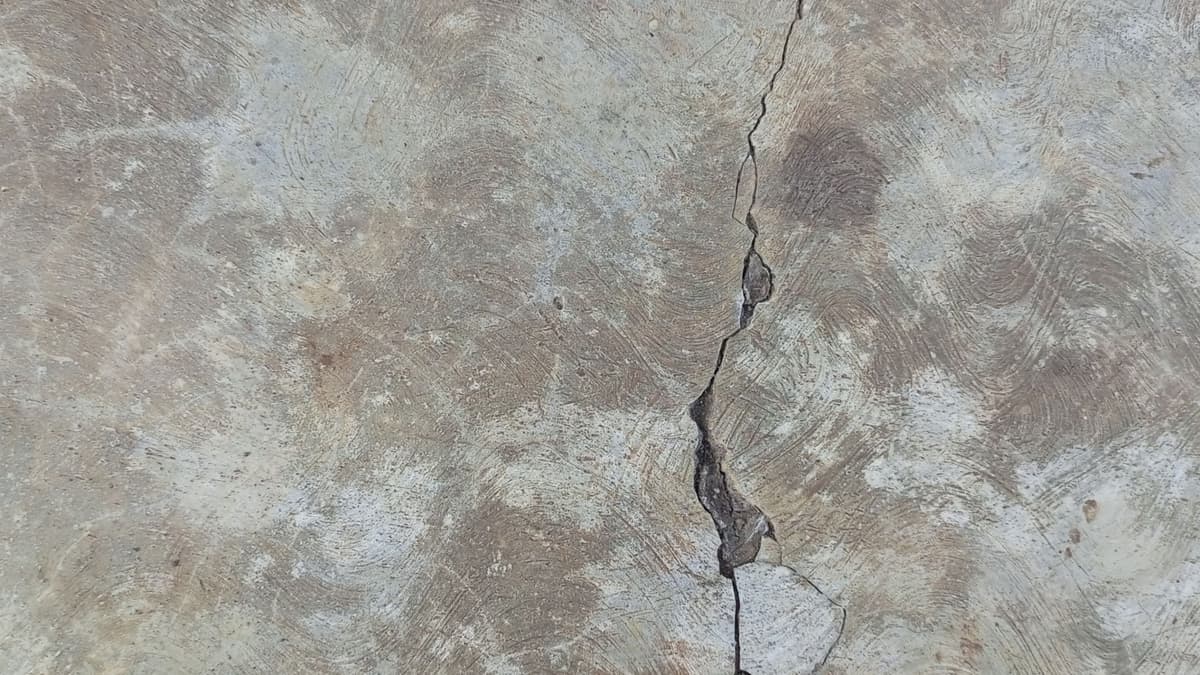
Self-Healing Concrete Redefines Durability and Sustainability in Modern Construction
Why It Matters
The material transforms construction economics by slashing long‑term repair expenses while addressing the industry’s massive carbon emissions, positioning it as a cornerstone of sustainable infrastructure.
Key Takeaways
- •Drexel's BioFiber embeds bacteria in hydrogel shells for self‑repair
- •BioFiber produces 40‑80 mg calcium carbonate within 30 hours of activation
- •Self‑healing concrete can cut maintenance costs and extend service life
- •Adoption requires higher upfront cost but lowers lifecycle expenses
- •Combines with robotics to reduce waste and improve safety on sites
Pulse Analysis
Self‑healing concrete is moving from laboratory curiosity to a viable construction material, thanks to breakthroughs like Drexel’s BioFiber. The fiber encapsulates ureolytic bacteria within a multi‑layered hydrogel, protecting them from concrete’s high alkalinity. When micro‑cracks appear, the bacteria metabolize urea, raising pH and precipitating calcite crystals that seal fissures. In laboratory tests, each fiber generated 40 to 80 milligrams of calcium carbonate in the first 30 hours, rapidly restoring structural integrity and even enhancing tensile strength beyond traditional mixes.
Beyond durability, the technology addresses the construction sector’s environmental challenges. Conventional concrete production consumes roughly 15% of global freshwater, accounts for 33% of anthropogenic CO₂ emissions, and drives 30% of construction waste. By autonomously repairing cracks, self‑healing concrete reduces the frequency of resource‑intensive repairs, demolition, and new material demand. Natural fibers such as hemp further improve water retention and bonding, while integration with robotic shotcrete applicators minimizes material waste and protects workers in hazardous environments like tunnels and slopes.
Commercial adoption will depend on a clear cost‑benefit narrative. Although BioFiber‑enhanced mixes carry a premium price tag, lifecycle analyses show that reduced maintenance, extended service life, and lower emissions translate into net savings over decades. Contractors must adjust mixing protocols to ensure even fiber distribution and recognize the technology’s limitation to micro‑scale cracks. As manufacturing scales and standards evolve, self‑healing concrete is poised to become a mainstream option for resilient, low‑carbon infrastructure projects worldwide.
Self-Healing Concrete Redefines Durability and Sustainability in Modern Construction
Comments
Want to join the conversation?
Loading comments...