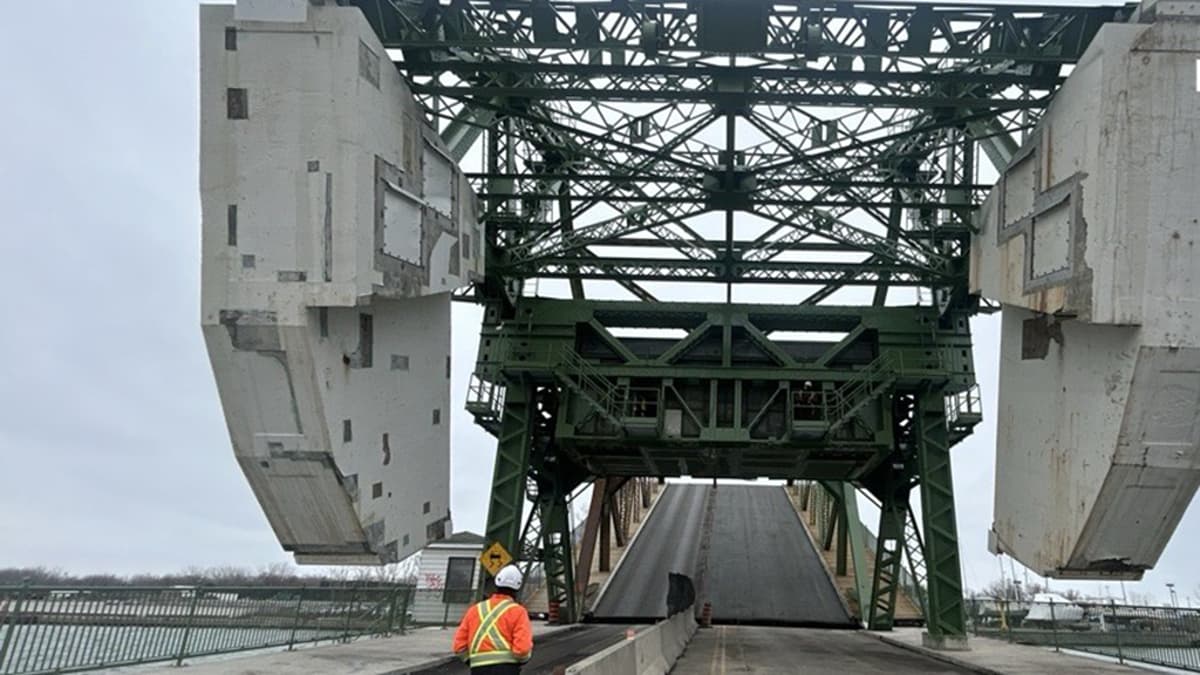
Smooth Sailing: Toronto’s Ship Channel Bridge Open for Business After Winter Work
Why It Matters
The bridge is a critical choke point for Toronto’s maritime supply chain, and its upgraded operation expands capacity, supporting regional trade growth and tourism. Its reliability also enhances the port’s competitiveness among Great Lakes hubs.
Key Takeaways
- •Bridge rehab completed; marine traffic resumes.
- •Phase two steel repair finished by March 2026.
- •Full modernization slated for 2028, boosting cargo capacity.
- •Port expects higher tonnage and cruise passenger volumes.
- •Over 2 million tonnes of cargo transit annually.
Pulse Analysis
The Ship Channel Bridge, a 1931 Warren‑through truss bascule span, is a linchpin of Toronto’s waterfront logistics. Its 37‑metre lift section, balanced by 750‑tonne concrete counterweights, allows vessels carrying bulk commodities to clear the channel. The recent winter work—roadway rehabilitation and full steel cleaning and coating—extends the bridge’s service life while preparing for the installation of new mechanical and electrical lift systems. By addressing corrosion and structural fatigue, the port authority safeguards a critical piece of maritime infrastructure that supports daily freight movements across the Great Lakes.
Reopening the bridge immediately benefits the Port of Toronto’s cargo throughput. With over two million tonnes of bulk goods such as road salt, cement, and aggregates moving through the terminal each year, the upgraded lift mechanism reduces delays and improves scheduling reliability. Port officials anticipate that the modernized bridge will attract higher tonnage, especially heavy single‑component consignments, and boost cruise‑ship passenger volumes by easing access to the turning basin. Enhanced reliability also maximizes utilization of existing warehouse space, cruise‑passenger terminals, and brokerage facilities, creating a more attractive proposition for shippers and tour operators alike.
The bridge project fits into a broader push to modernize Canada’s Great Lakes ports, where aging lift bridges often constrain growth. Completion of the final phase by 2028 aligns with sustainability goals, as newer hydraulic and electrical systems lower energy consumption and emissions. Moreover, the phased winter construction strategy minimizes disruption to marine traffic, a model other ports may emulate. As Toronto positions itself as a competitive logistics hub, the bridge’s revitalization underscores the city’s commitment to resilient, future‑ready maritime infrastructure.
Smooth sailing: Toronto’s Ship Channel Bridge open for business after winter work
Comments
Want to join the conversation?
Loading comments...