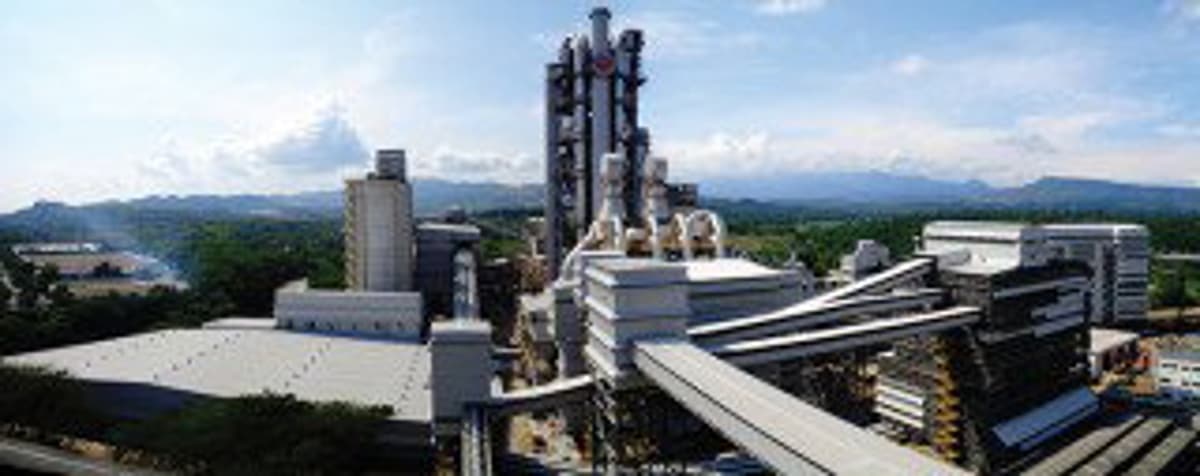
Southeast Asian Cement Chiefs Balance Regional Growth with Energy and Alternative Fuel Transition
Why It Matters
The region’s blend of demand recovery and aggressive low‑carbon strategies reshapes profit margins and supply chains, positioning Southeast Asian cement makers as key players in a climate‑constrained global market.
Key Takeaways
- •Thailand's SCG Cement hits 45% alternative‑fuel use, cutting emissions
- •Vietnam's cement dispatches rose 22% YoY to 18.3 Mt in 1Q 2026
- •Indonesia's cement exports grew 14.4% to 13.7 Mt, 90% clinker
- •Philippines' three‑year safeguard protects domestic cement amid high fuel costs
- •Regional firms aim 10‑30% CO₂ cuts; CCUS planned for 2050
Pulse Analysis
The Southeast Asian cement landscape is entering a recovery phase, anchored by Thailand’s ambitious $6 billion highway and rail expansion and Vietnam’s robust 22% year‑on‑year dispatch growth in the first quarter of 2026. These projects are fueling demand for both ordinary Portland cement and blended products, while government safeguards in the Philippines are shielding local manufacturers from volatile import flows. As urbanisation accelerates, the region’s total cement consumption is expected to inch upward, but growth will be uneven, reflecting each country’s fiscal capacity and policy environment.
Decarbonisation has moved from a peripheral concern to a strategic imperative. SCG Cement in Thailand now derives 45% of its kiln fuel from agricultural waste and biomass, complemented by a 17.5 MW solar plant and waste‑heat recovery at the Ta Luang facility. Indonesia’s Ministry of Industry has formalised a five‑pillar roadmap that emphasizes fuel substitution, electrification, and eventual carbon capture, utilisation and storage (CCUS) slated for 2050. Meanwhile, Vietnam’s VICEM is integrating AI‑driven process controls to cut emissions and improve safety, signaling that digitalisation is becoming a core component of the low‑carbon transition.
Export dynamics continue to shape the competitive balance. Indonesia’s cement exports rose 14.4% to 13.7 Mt, with 90% of shipments consisting of clinker destined for Bangladesh, Australia and Sri Lanka. Thailand and Vietnam are also leveraging the Bangladesh market to offset domestic slowdown. However, trade barriers—such as the Philippines’ three‑year safeguard and Taiwan’s anti‑dumping duties—introduce uncertainty for regional traders. Companies that can secure diversified fuel sources and embed renewable energy into their operations are better positioned to absorb Middle‑East energy shocks and maintain margins in this increasingly complex market.
Southeast Asian cement chiefs balance regional growth with energy and alternative fuel transition
Comments
Want to join the conversation?
Loading comments...