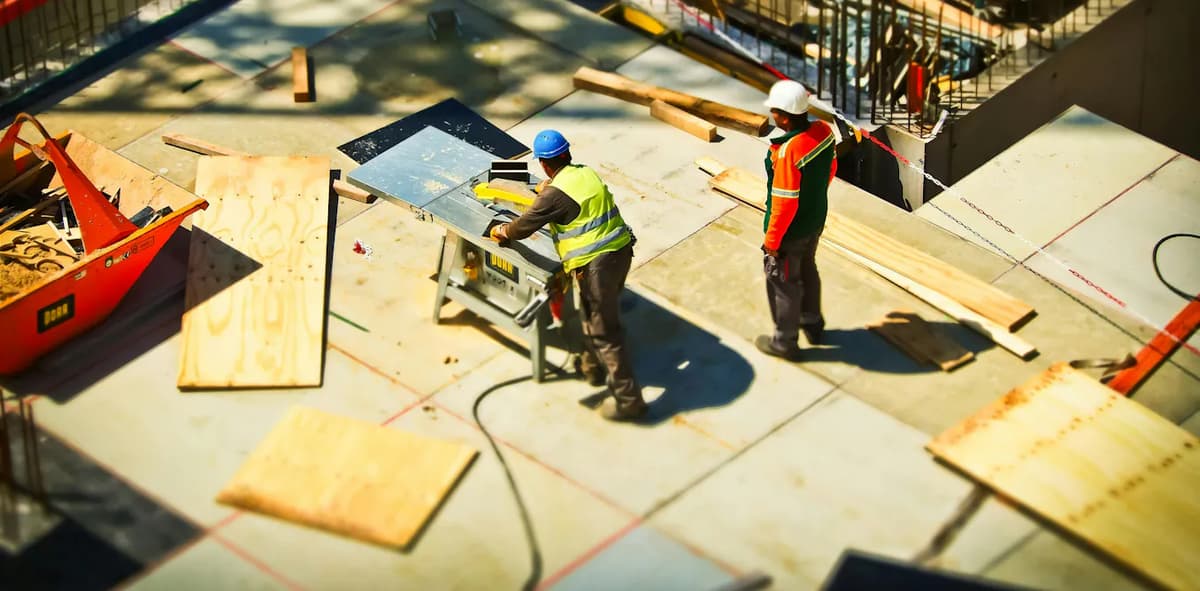
Struggling to Find an Electrician or Builder? 5 Reasons for Australia’s Tradie Shortage
Why It Matters
Without a surge in skilled tradespeople, housing supply will lag, driving up prices and construction costs across Australia’s economy.
Key Takeaways
- •Budget allocates ~US$50M for new trade‑skills assessment system
- •Additional ~US$3.7M to recognize overseas‑trained tradespeople
- •Industry needs ~116,700 more workers for 1.2 M homes
- •Apprentice dropout remains high due to low pay, conditions
- •Mining and data‑centre projects lure tradies from housing
Pulse Analysis
The tradie crunch in Australia is rooted in a generational shift away from vocational pathways. Young Australians still view apprenticeships as low‑status, a perception reinforced by modest wages and limited career progression. Coupled with a historical bias toward university education, this has left a pipeline of skilled electricians, plumbers and carpenters drying up just as demand for new housing spikes. The shortage is not merely a labour issue; it reflects broader cultural attitudes toward trade education and the need for more compelling incentives that elevate the profession’s prestige.
The 2026‑27 federal budget attempts to plug the gap with sizable funding—about US$49.6 million for a new assessment framework and US$56.2 million to speed licensing of overseas‑trained workers. While these investments address bureaucratic bottlenecks, they fall short of tackling structural problems such as apprentice attrition and the recent scaling back of incentives for large employers. The budget’s focus on short‑term cash injections may yield modest gains, but without sustained wage improvements, better on‑the‑job conditions, and a national campaign to rebrand trades, the impact will be limited.
Beyond housing, the tradie shortage reverberates through the wider economy. High construction costs feed into property prices, rent inflation, and ultimately, household affordability. Moreover, competing sectors like mining, infrastructure and data‑centre development are siphoning the limited pool of skilled workers, further tightening supply. A holistic approach—combining education reform, robust apprenticeship support, and strategic migration policies—is essential to secure the workforce needed for Australia’s housing targets and broader economic resilience.
Struggling to find an electrician or builder? 5 reasons for Australia’s tradie shortage
Comments
Want to join the conversation?
Loading comments...