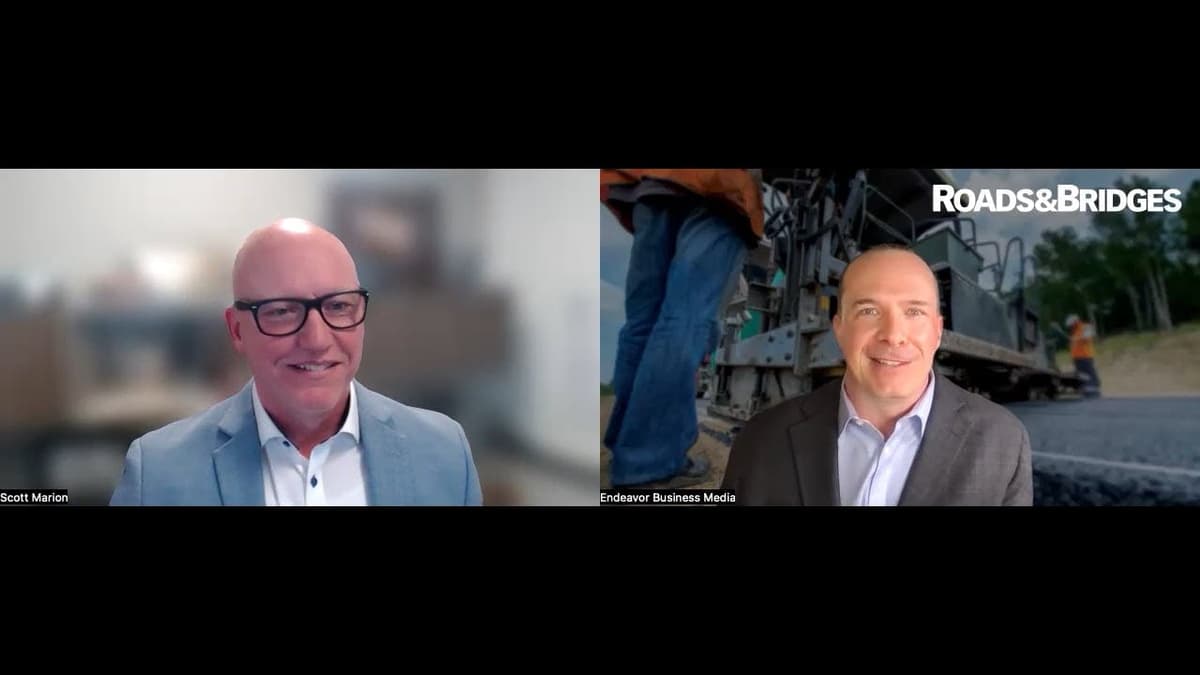
Targeting Risk, Tracking Results: A New Approach to Safety
Why It Matters
Adopting risk‑based, data‑driven safety protocols could dramatically lower work‑zone fatalities and improve cost efficiency for agencies and contractors.
Key Takeaways
- •Risk‑based decisions weigh speed, exposure, and geometry
- •TMAs proposed as default safety for mobile work zones
- •Funding contracts to become auditable and enforceable
- •Metrics moving from compliance to fatalities per VMT
Pulse Analysis
The push toward risk‑based safety in work zones reflects a broader industry trend of leveraging data to allocate resources where they matter most. By quantifying variables such as traffic speed and worker exposure, agencies can prioritize interventions that deliver the greatest reduction in accidents. This analytical approach also aligns with emerging smart‑infrastructure platforms that collect real‑time telemetry, enabling dynamic adjustments to safety measures as conditions evolve.
Truck‑mounted attenuators (TMAs) have long been recognized for their effectiveness in mitigating vehicle‑worker collisions, yet their adoption remains inconsistent. Standardizing TMAs as a default for short‑duration, mobile zones could streamline procurement, reduce training variability, and lower overall incident rates. Policy incentives, such as grant eligibility tied to TMA usage, could accelerate market penetration, while advances in modular design promise quicker deployment and lower lifecycle costs.
Finally, the transition from compliance‑centric audits to outcome‑driven performance metrics signals a cultural shift in infrastructure management. Tracking fatalities per vehicle‑miles‑travelled, queue durations, and TMA utilization provides a clearer picture of safety efficacy than mere checklist completion. Enhanced data collection—through sensors, drones, and integrated project management tools—supports transparent reporting and more accountable funding structures. As agencies adopt these metrics, they can better justify investments, negotiate contracts with enforceable safety clauses, and ultimately create safer work environments for the millions of workers who maintain America’s roadways.
Targeting Risk, Tracking Results: A New Approach to Safety
Comments
Want to join the conversation?
Loading comments...