Tarmac Opens Northumberland Asphalt Plant with ‘Innovative Sustainable Technologies’
Why It Matters
The plant’s efficiency and emissions reductions strengthen Tarmac’s sustainability credentials while offering customers lower‑embodied‑carbon asphalt, a growing market demand. It also shows how legacy infrastructure can be retrofitted to meet climate goals, influencing the broader UK construction sector.
Key Takeaways
- •New plant cuts CO₂ emissions by 18% and boosts efficiency 55%.
- •Can use up to 45% recycled asphalt planings in mixes.
- •Storage capacity nearly doubled to 400 tonnes across eight bins.
- •DME fuel burners future‑proof plant for cleaner energy.
- •Integrated quarry reduces Scope 3 emissions via on‑site conveyors.
Pulse Analysis
The UK construction industry accounts for roughly 40% of national carbon output, prompting manufacturers to seek greener production methods. Tarmac’s new Barrasford asphalt plant arrives at a pivotal moment, aligning with government targets to halve emissions by 2030. By embedding recycled asphalt planings (RAP) at levels up to 45%, the plant not only diverts waste from landfills but also reduces the need for virgin aggregate, delivering a tangible drop in embodied carbon for road builders and developers.
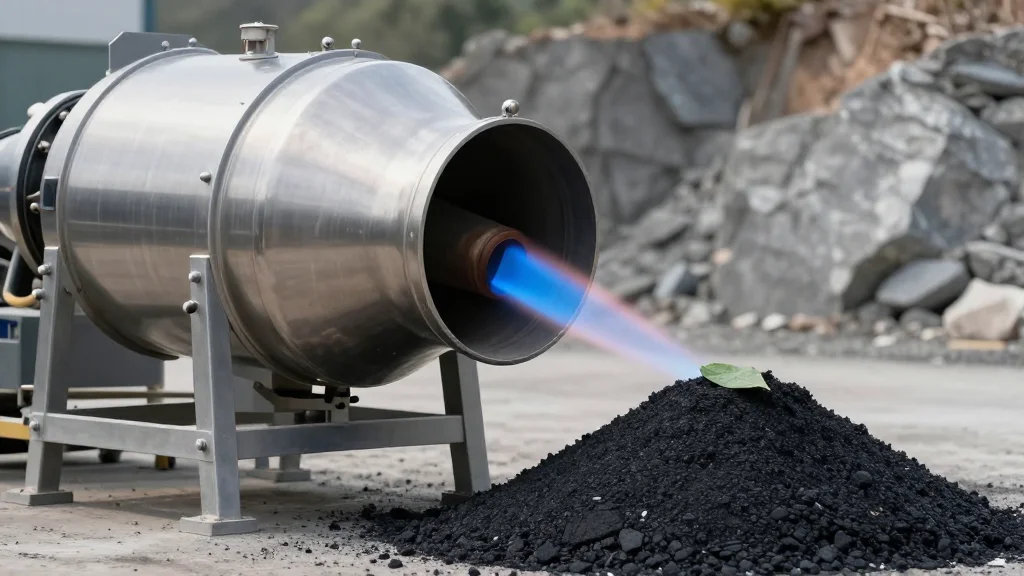
Technologically, the plant distinguishes itself with dimethyl ether (DME) burners, a cleaner‑burning alternative to traditional diesel that cuts CO₂ per tonne of mix. Coupled with an 800‑tonne‑per‑day capacity and almost double the storage bins, the facility can run longer cycles without shutdowns, translating to a 55% efficiency uplift. The on‑site quarry connection, facilitated by conveyor systems, slashes Scope 3 logistics emissions and ensures a steady feedstock stream, reinforcing Tarmac’s pledge to lower the cradle‑to‑gate carbon footprint of its AC20 binder courses by over 4% compared with five years ago.
Beyond the immediate operational gains, the plant signals a broader shift toward low‑carbon infrastructure materials across the North East. As municipalities tighten procurement standards and investors prioritize ESG metrics, suppliers that can guarantee recycled content and reduced emissions gain a competitive edge. Tarmac’s investment also bolsters regional employment, preserving a 40‑year legacy while positioning the company as a leader in sustainable asphalt production, a model likely to be replicated by peers facing similar regulatory and market pressures.
Tarmac opens Northumberland asphalt plant with ‘innovative sustainable technologies’
Comments
Want to join the conversation?
Loading comments...