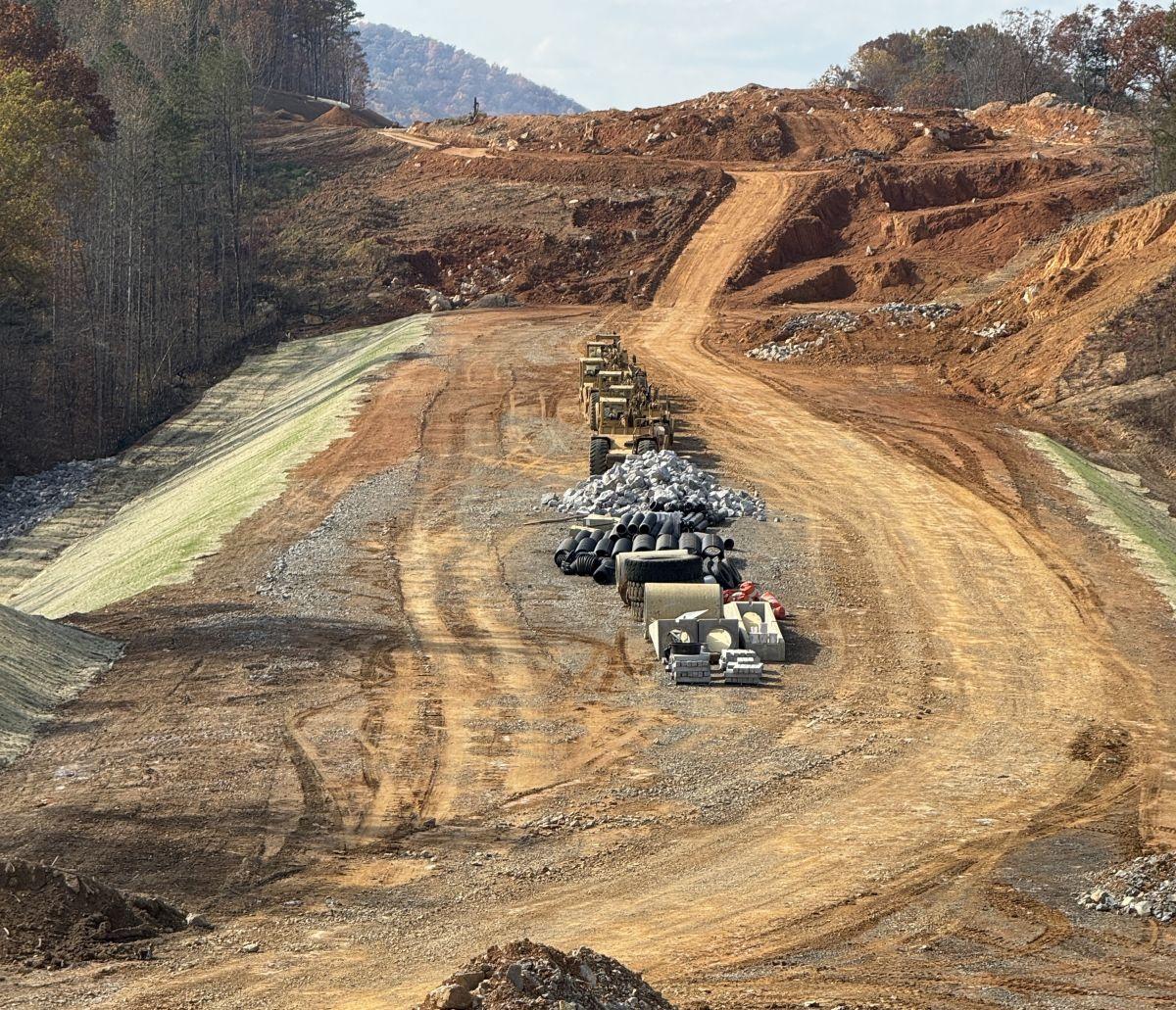
TDOT Is Widening Tenn.'s Tourism Corridor
Why It Matters
The upgrade will shorten travel times and improve safety on a key tourism artery, bolstering the regional economy that relies on visitor spending. It also demonstrates effective public‑private collaboration on large‑scale infrastructure with minimal budget overruns.
Key Takeaways
- •U.S. 411 will expand to five lanes, including a center turn lane
- •Project moves 1.456 million cubic yards of earth, requiring blasting
- •Annual daily traffic projected to rise from 8,020 to 13,630 by 2043
- •80% of $64 million cost funded by federal government, state covers 20%
- •Environmental safeguards include larger check dams, extra silt fences, rapid re‑vegetation
Pulse Analysis
The U.S. 411 widening near Pigeon Forge represents a strategic investment in Tennessee’s tourism corridor, a region that draws millions of visitors to attractions like Dollywood and the Great Smoky Mountains. By converting a two‑lane road into a five‑lane thoroughfare with a dedicated turning lane and wider shoulders, the project addresses longstanding congestion and safety concerns. The design also incorporates a realigned four‑mile segment that climbs up to 40 feet above the existing alignment, improving sightlines and reducing bottlenecks during peak travel seasons.
Funding for the $64 million initiative reflects a strong federal‑state partnership, with the federal government covering 80% of costs. This financial structure, combined with rigorous planning and the involvement of outside inspectors from Mattern & Craig, has kept the project on budget and on schedule despite challenges such as moving 1.456 million cubic yards of earth and blasting through rock formations. Environmental stewardship remains a priority; TDOT has implemented larger check dams, additional silt fences, and rapid re‑vegetation to protect the nearby Douglas Lake watershed from erosion and runoff.
Looking ahead, the upgraded corridor is poised to stimulate economic growth by reducing travel times for the projected 13,630 daily vehicles by 2043, a 70% increase from current levels. Faster, safer access will likely boost tourism spending, support local businesses, and attract new investments in hospitality and retail. Moreover, the project serves as a template for future infrastructure upgrades in the Appalachian region, showcasing how coordinated funding, meticulous engineering, and proactive environmental measures can deliver tangible benefits without fiscal overruns.
TDOT Is Widening Tenn.'s Tourism Corridor
Comments
Want to join the conversation?
Loading comments...