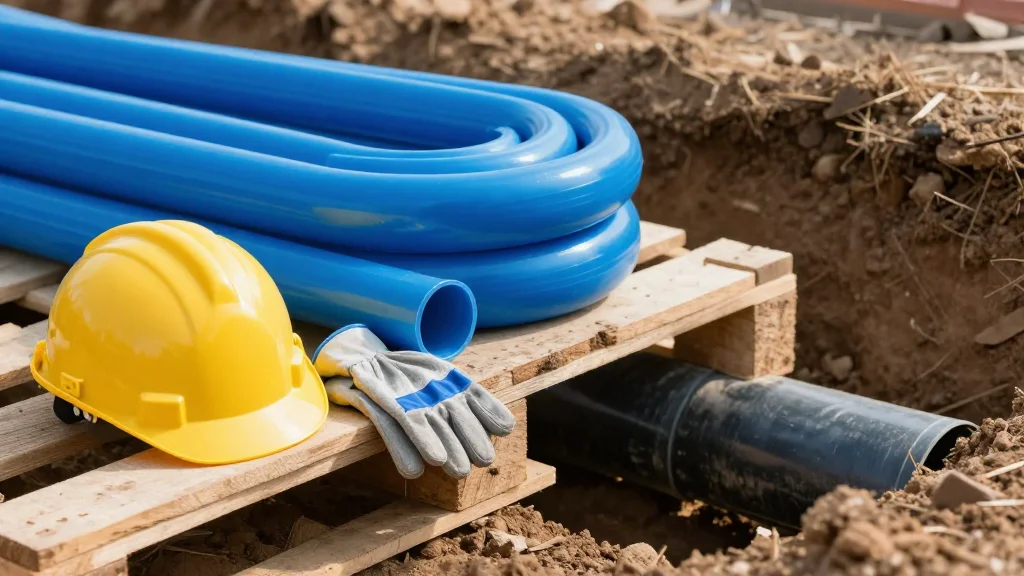
Thames Water Starts 19km of Essex Pipe Replacement as Part of £20bn Network Upgrade
Companies Mentioned
Why It Matters
Upgrading aging pipes improves service reliability and reduces water loss, directly benefiting 16 million customers while the company’s financial restructuring determines its ability to fund the broader £20 bn overhaul.
Key Takeaways
- •£30 M (≈$38 M) Loughton pipe swap begins.
- •19 km of aging pipes replaced over three years.
- •Project part of £20 bn (£25 bn) nationwide upgrade.
- •Aims to cut leaks, support population growth.
- •Comes amid debt restructuring and regulator negotiations.
Pulse Analysis
The Loughton replacement marks a tangible step in Thames Water’s ambitious £20 billion network renewal, a response to the chronic aging of the UK’s water arteries. Decades‑old cast‑iron and PVC lines have been prone to bursts, driving costly emergency repairs and water wastage. By targeting 19 km of high‑risk pipe in a densely populated suburb, the utility expects to cut leakages by several million gallons annually, bolstering resilience against climate‑induced demand spikes and supporting the region’s projected population rise.
Financially, the project unfolds against a backdrop of one of the sector’s most precarious balance sheets. Thames Water is seeking to write off over a third of its roughly £30 billion debt, a move that would free up billions for capital investment but requires Ofwat’s sign‑off. The regulator’s stance will shape the timing and scale of further upgrades, while the company’s ability to secure new financing hinges on demonstrating tangible progress, such as the Loughton works, to reassure lenders and investors of operational competence.
Strategically, the pipe swap underscores broader market dynamics where infrastructure investors, like Hong Kong‑based CK Infrastructure, are weighing the merits of public‑backed special administration versus private capital infusion. The debate reflects heightened scrutiny over water utilities’ governance, environmental performance, and customer cost burdens. As MPs push back on proposed debt deals, the outcome will influence future policy on utility funding, potentially prompting tighter regulatory oversight and reshaping the investment landscape for essential services in the UK.
Thames Water starts 19km of Essex pipe replacement as part of £20bn network upgrade
Comments
Want to join the conversation?
Loading comments...