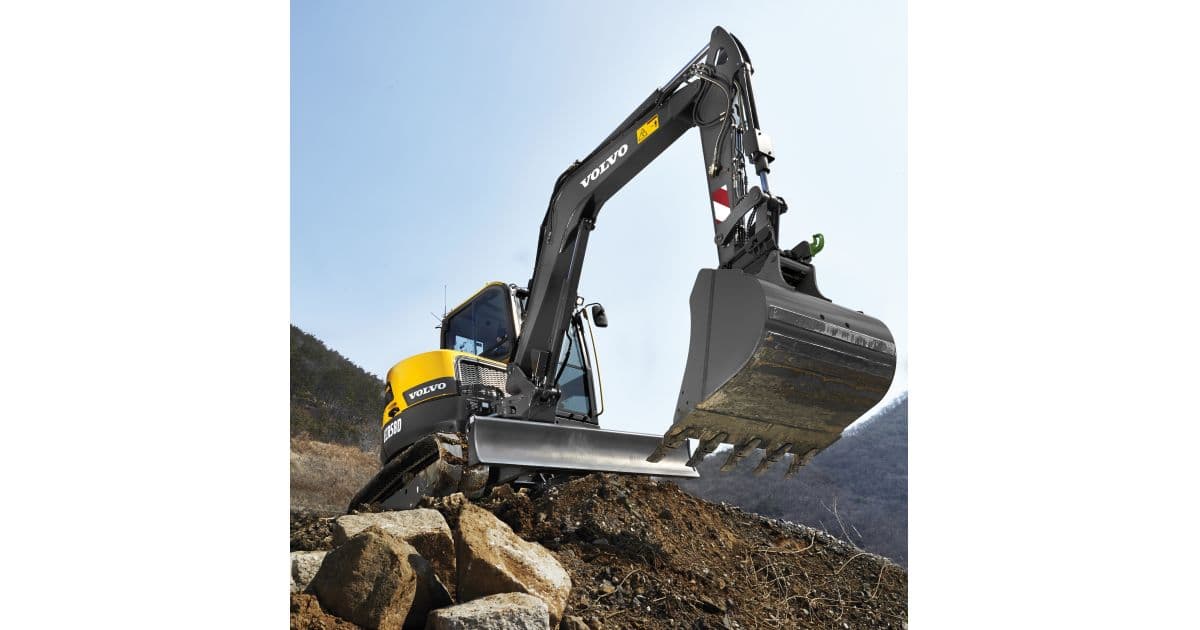
The Contractor's Guide to Bucket ROI
Why It Matters
An optimized bucket reduces fuel costs, extends machine life, and improves cycle efficiency, directly impacting the bottom line for construction and mining firms. It turns a simple tool into a strategic asset that drives profitability.
Key Takeaways
- •Choose bucket type (GP, heavy‑duty, skeleton) to match material
- •Right bucket size reduces fuel use and cycle count
- •Wear parts like teeth and strips extend bucket lifespan
- •Regular inspection prevents costly hydraulic strain and premature tire wear
Pulse Analysis
Heavy‑equipment operators often overlook the strategic role a bucket plays in overall project economics. While the excavator or wheel loader chassis garners most attention, the bucket is the direct interface with the material. Selecting a general‑purpose, heavy‑duty, skeleton or ditching bucket based on the specific substrate—dry wood chips versus wet gravel—can change the number of passes required by up to 30 percent. This translates into measurable fuel savings and lower emissions, a growing concern for firms facing tighter sustainability mandates.
Sizing the bucket correctly is equally vital. An oversized bucket may seem advantageous for volume, but the added weight can increase hydraulic pressure, tire spin, and engine load, eroding fuel efficiency and accelerating component wear. Conversely, an undersized bucket forces more cycles, inflating labor hours and reducing overall equipment effectiveness (OEE). Operators must weigh material density, site geometry, and haul‑truck capacity to identify the sweet spot where fill factor and travel distance are optimized, ensuring each scoop maximizes productive output.
Maintenance is the third pillar of bucket ROI. High‑quality wear strips, side cutters, and replaceable teeth protect the bucket’s structural integrity and extend service life. Neglecting routine inspections leads to dull teeth, higher hydraulic pressures, and heat buildup that can damage seals and oil, compounding operating costs. By instituting a scheduled inspection regime and promptly addressing wear, contractors can keep total cost of ownership in check, protect expensive tire assemblies, and sustain the profitability gains achieved through intelligent bucket selection.
The Contractor's Guide to Bucket ROI
Comments
Want to join the conversation?
Loading comments...