The Green Drop Crisis: We Have The Skills, Now We Need The System
Why It Matters
Without a functional wastewater system, South Africa faces escalating public‑health risks and compromised water security, jeopardizing economic growth and social stability. The findings signal urgent policy and funding reforms for the nation’s essential water infrastructure.
Key Takeaways
- •396 of 848 wastewater plants are in critical condition.
- •Only ~25% meet required treatment standards.
- •Governance gaps, outdated regulations hinder plant performance.
- •Skilled staff lack authority and funding to implement solutions.
- •WISA calls for accountability, realistic tariffs, institutional support.
Pulse Analysis
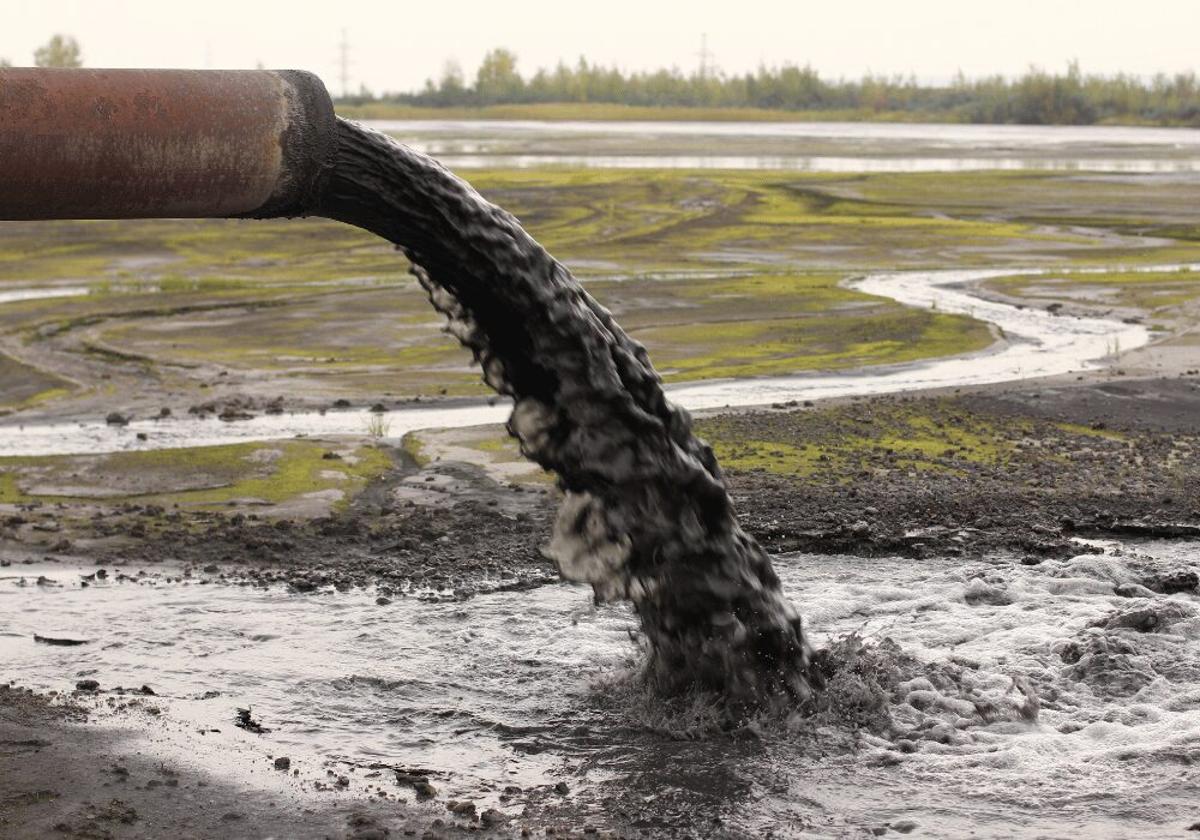
The Green Drop Report has become a barometer for South Africa’s water health, revealing that nearly half of the nation’s wastewater facilities are failing to operate safely. This stark reality translates into untreated sewage contaminating rivers and aquifers that supply drinking water to urban and rural communities alike. The report’s data underscores a looming public‑health crisis, as pathogens and pollutants infiltrate food chains and increase disease burdens, while also threatening agricultural productivity that depends on clean irrigation sources.
At the heart of the problem lies a regulatory disconnect. Many municipalities still follow Regulation 2834, a legacy framework focused on paperwork rather than performance, while the newer Regulation 3630 demands measurable outcomes and service delivery standards. This gap creates ambiguity for plant operators, who are forced to navigate conflicting expectations without clear enforcement mechanisms. Coupled with fragmented municipal governance, delayed procurement cycles and tariffs that under‑cover operating costs, the sector struggles to attract the capital needed for upgrades and routine maintenance.
Professional bodies such as the Water Industry Services Association (WISA) can bridge the skills gap by certifying expertise and advocating for best practices, but they cannot substitute for systemic change. WISA’s call for enforced accountability, realistic financing models and empowered technical staff outlines a three‑pronged roadmap that, if adopted, could stabilize the wastewater sector and safeguard South Africa’s water security. Investors and policymakers must recognize that the cost of inaction—escalating health crises, lost economic output and degraded ecosystems—far outweighs the investment required to modernise the nation’s water infrastructure.
The Green Drop Crisis: We Have The Skills, Now We Need The System
Comments
Want to join the conversation?
Loading comments...