The Hidden Ceiling on Australia’s Housing Supply
Why It Matters
Without correcting the metric, cost imbalance, and capacity cap, Australia will miss its housing targets, driving up prices and constraining economic growth. Addressing these levers can restore supply momentum and improve affordability.
Key Takeaways
- •National target: 1.2 M homes, need 240 k completions annually
- •Approvals ≠ completions; 219 k built vs 280 k needed
- •Construction cost > $660k USD, exceeds price of comparable existing homes
- •Home‑builder warranty OJV caps active projects, limiting supply
- •Targeted guarantees could add 9‑25 k homes in active production
Pulse Analysis
The current housing debate in Australia often cites approval numbers as a proxy for supply, but approvals merely signal council permission, not finished dwellings. With average build times now approaching ten months—50 % longer than pre‑pandemic—conversions from approval to occupancy have stalled, leaving the nation well below the 240,000 homes a year needed to meet the National Housing Accord’s 1.2 million‑home goal. Shifting the conversation to completions, commencement rates, and conversion ratios would give policymakers a clearer view of actual delivery and help align incentives across federal, state, and local levels.
Cost pressures have become a decisive barrier. The Cordell Construction Cost Index shows a 30 % rise over pre‑COVID levels, pushing the all‑in cost of a modest detached house in Sydney or Melbourne to over $1 million AUD (about $660,000 USD). When these costs exceed the market price of comparable existing homes, developers shelve projects and buyers opt for resale stock, reinforcing price inflation. Beyond raw construction, developers face hefty site‑specific expenses, regulatory levies, financing drag from longer builds, and tax treatments that together erode margins, making new‑home feasibility increasingly untenable.
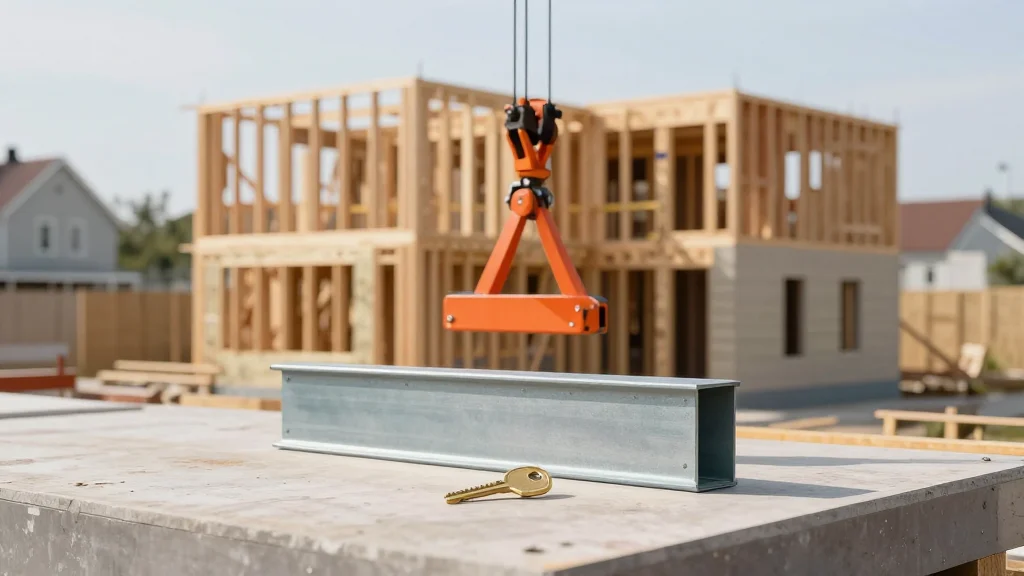
A less obvious but critical constraint is the Open Job Value (OJV) ceiling embedded in home‑builders’ warranty insurance schemes. Each licensed builder’s OJV—derived from adjusted net tangible assets—limits the total contract value they can have under construction at any time, effectively capping national production capacity. Targeted government guarantees that supplement builders’ equity could raise OJV limits without compromising underwriting standards. Modeling suggests that modest lifts for 3,000‑5,000 small‑to‑medium builders could add 9,000‑25,000 homes to the active pipeline, delivering a tangible supply boost at modest fiscal cost and helping Australia close its housing gap.
The hidden ceiling on Australia’s housing supply
Comments
Want to join the conversation?
Loading comments...