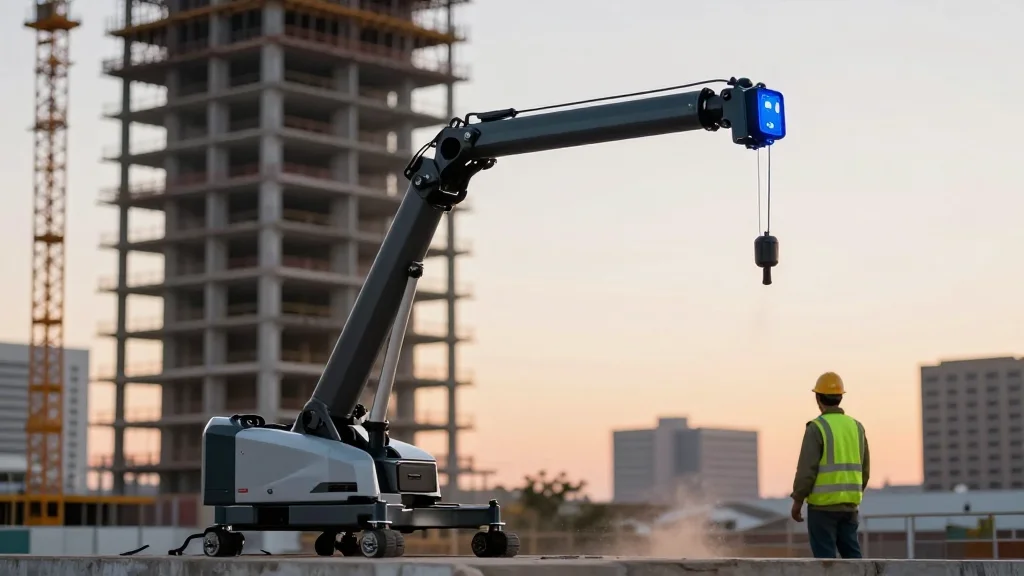
The Hidden Cost of Rapid Infrastructure Growth in Texas
Why It Matters
The race to expand Texas’ infrastructure risks compromising build quality, which could inflate future maintenance costs and erode public safety. Ensuring disciplined execution now protects investors, taxpayers and the state’s economic competitiveness.
Key Takeaways
- •Texas adds 2.5 million residents since 2020, driving infrastructure surge
- •$200 billion slated for transportation and utility projects over next decade
- •Skilled‑labor shortage forces reliance on less‑experienced crews, raising safety risks
- •Accelerated design‑build timelines shrink inspection windows, threatening quality
- •Embedding quality assurance throughout lifecycle mitigates “good enough” pitfalls
Pulse Analysis
Texas’ population boom—over 2.5 million newcomers since 2020—has forced state and local officials to launch one of the nation’s most ambitious infrastructure programs. With $200 billion earmarked for roads, airports, hospitals and mass‑transit, the Lone Star State aims to keep pace with demand while positioning itself as a logistics hub. Compared with the national average, Texas’ per‑capita infrastructure spend is markedly higher, reflecting both its rapid growth and a political appetite for large‑scale projects that promise jobs and economic stimulus.
The speed of delivery, however, is exposing systemic weaknesses. A nationwide construction labor deficit—estimated at over 100,000 workers—hits Texas hardest, leaving many sites staffed by junior crews and overstretched supervisors. Coupled with supply‑chain disruptions, these conditions compress project timelines, especially under design‑build contracts that prioritize speed over thoroughness. The result is a heightened risk of safety incidents, rework, and hidden defects that can inflate lifecycle costs far beyond the initial budget.
Industry experts advocate a shift from “final‑gate” quality checks to continuous assurance embedded from procurement through commissioning. New contract models tie payments to milestone‑based performance metrics, while public‑private partnerships invest in apprenticeship programs to replenish the skilled‑labor pipeline. By aligning incentives, tightening oversight, and prioritizing long‑term durability over short‑term speed, Texas can safeguard its massive infrastructure investment and avoid the hidden costs of a "good enough" approach.
The hidden cost of rapid infrastructure growth in Texas
Comments
Want to join the conversation?
Loading comments...