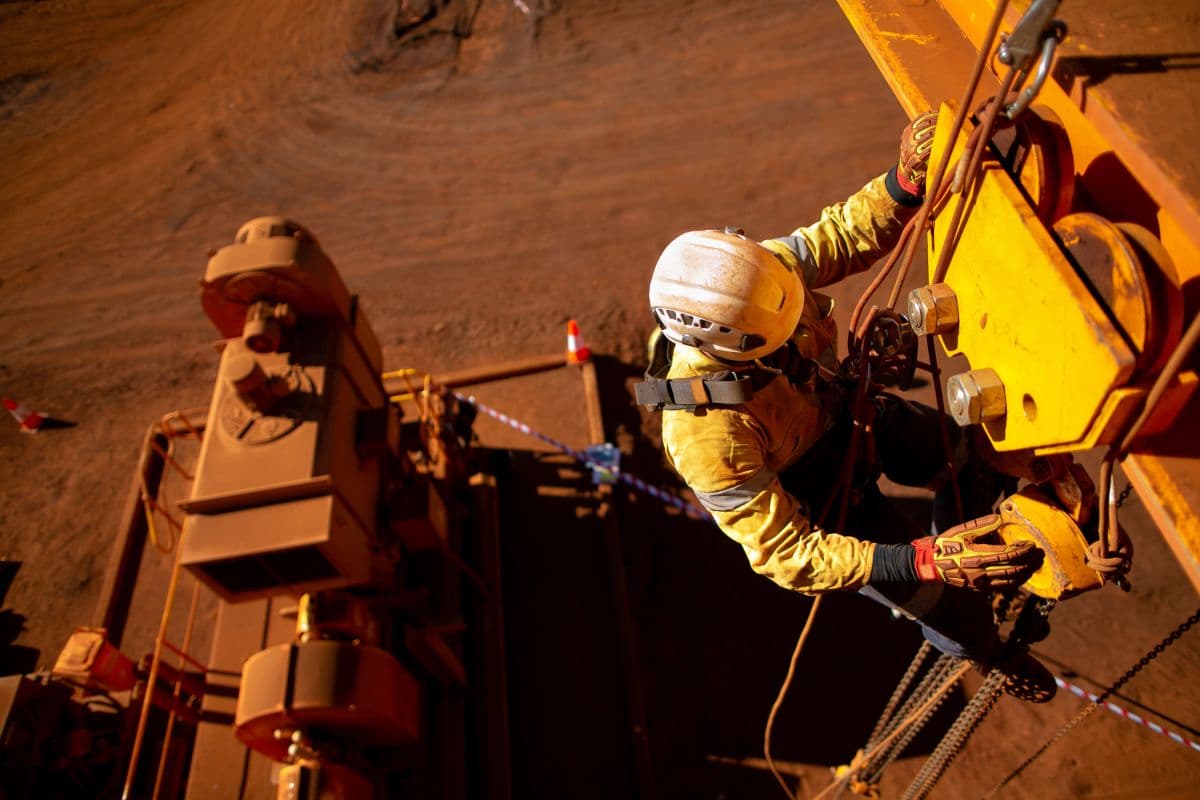
The Hidden Costs of Poor Safety Training
Why It Matters
Safety lapses can erase a small contractor’s quarterly profit, so proven ROI makes training a strategic investment that protects both people and the bottom line while satisfying ESG and compliance demands.
Key Takeaways
- •Safety training yields $4‑$6 return per $1 invested.
- •Lower injury rates cut workers' comp premiums via reduced EMR.
- •ESG investors prioritize contractors with strong safety records.
- •Targeted training in forklift, fall protection, and crane ops reduces downtime.
Pulse Analysis
The push for safety‑first cultures is no longer a regulatory checkbox; it’s a financial lever. As ESG metrics dominate investor due diligence, firms that can quantify safety performance gain a competitive edge. Studies cited by the American Society of Safety Professionals and YellowBird show a $4‑$6 return for each dollar allocated to training, primarily through reduced workers’ compensation claims, lower insurance premiums, and fewer project delays. This data resonates with capital providers who view robust safety programs as risk mitigation, translating into better credit terms and access to high‑value contracts.
At the core of the ROI are tangible cost components. A lower Experience Modification Rate (EMR) directly shrinks workers’ comp premiums, while fewer injuries mean less spent on medical care, overtime, and legal settlements. Additionally, incident‑free sites experience smoother operations—fewer shutdowns, faster project timelines, and higher labor productivity. For small contractors, a single claim can wipe out an entire quarter’s profit, making the financial upside of proactive training especially compelling. By converting safety metrics into dollar terms, leaders can present clear break‑even analyses to boards and owners.
Implementing the gains requires disciplined execution. CraneTech’s 90‑day safety improvement plan recommends starting with two high‑exposure areas—such as forklift operation and crane inspections—training operators, establishing daily checklists, and empowering supervisors to conduct pre‑task talks. Tracking leading indicators like near‑misses, training completions, and inspection compliance provides the data needed to demonstrate cost savings via OSHA’s $afety Pays calculator. When safety becomes a measurable business driver, it not only protects workers but also fuels revenue growth and long‑term sustainability.
The Hidden Costs of Poor Safety Training
Comments
Want to join the conversation?
Loading comments...