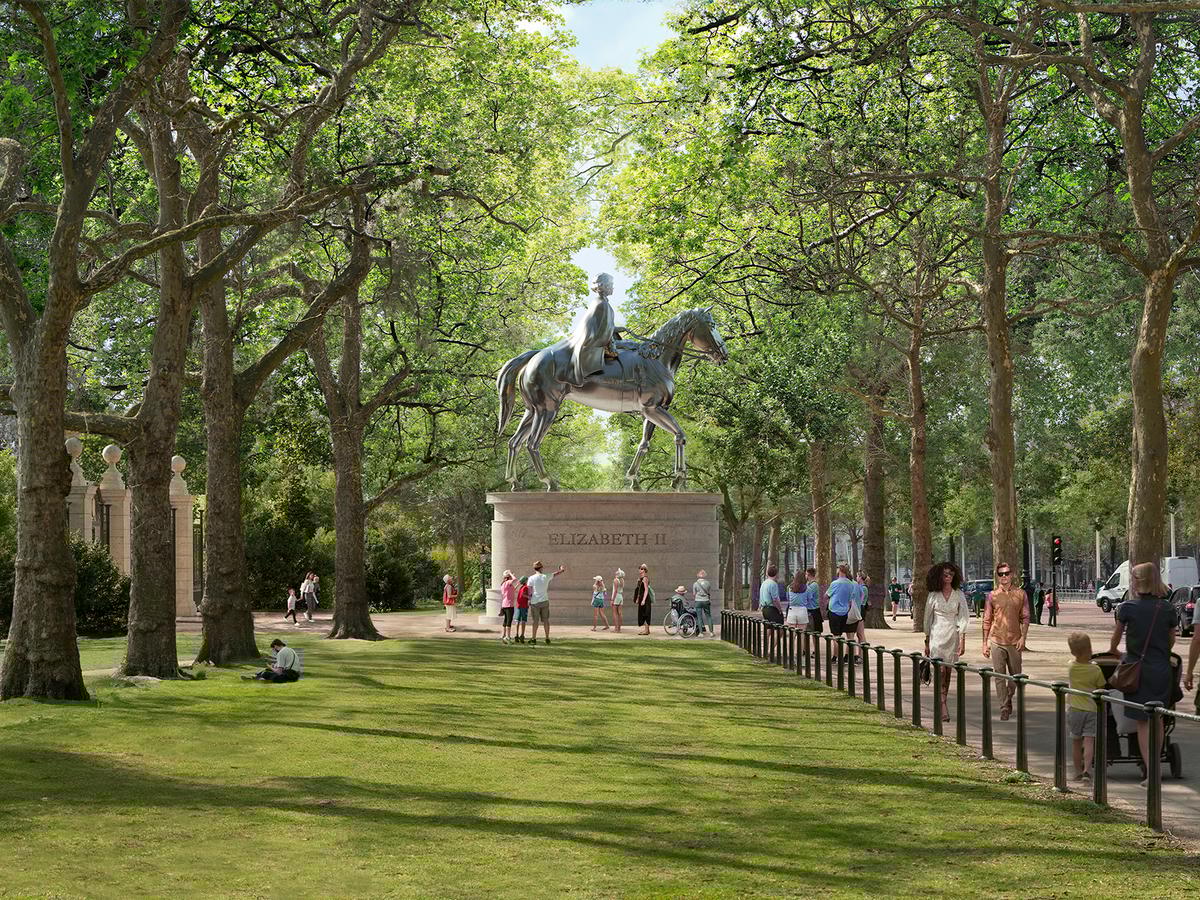
The Queen Elizabeth II Memorial Has Officially Been Approved
Why It Matters
The project reshapes a historic London landmark, highlighting tensions between national commemoration and heritage preservation while involving a high‑profile architectural partnership.
Key Takeaways
- •Foster + Partners win £46m (£58m USD) Queen Elizabeth II memorial commission.
- •Glass bridge design mimics the Queen’s wedding tiara, replacing historic Blue Bridge.
- •Commonwealth wind sculpture will feature flora from all 56 member nations.
- •Heritage groups warn moving listed gate and trees could harm park.
Pulse Analysis
The approval of the Queen Elizabeth II memorial marks one of the most ambitious public‑art commissions in recent British history. At a projected cost of £46 million, the project brings together world‑renowned architects Foster + Partners, heritage specialists Purcell, and artist Yinka Shonibare to create a multifaceted tribute in St James’s Park. By integrating a glass bridge inspired by the monarch’s wedding tiara and a Commonwealth‑focused wind sculpture, the design seeks to blend contemporary aesthetics with symbolic references to the Queen’s legacy and the 56‑nation Commonwealth.
Beyond its visual impact, the memorial raises complex questions about urban heritage management. Relocating the Grade II‑listed Marlborough Gate and the historic "Boy" drinking fountain, as well as reducing tree cover, has sparked criticism from local societies and conservationists. These concerns underscore a broader debate on how cities balance new cultural landmarks with the preservation of existing historic fabric. The inclusion of a children’s discovery trail and flora from each Commonwealth nation aims to foster public engagement, yet the project’s scale illustrates the challenges of integrating large‑scale commemorations within tightly constrained green spaces.
If realized, the memorial could become a new focal point for tourism and civic identity, potentially boosting visitor numbers to central London and reinforcing the city’s reputation for landmark architecture. It also sets a precedent for future collaborations between government bodies and high‑profile design firms on national monuments. While a construction timeline remains undisclosed, the project’s progression will be closely watched by planners, heritage advocates, and the broader public as a test case for reconciling modern commemoration with historic preservation.
The Queen Elizabeth II memorial has officially been approved
Comments
Want to join the conversation?
Loading comments...