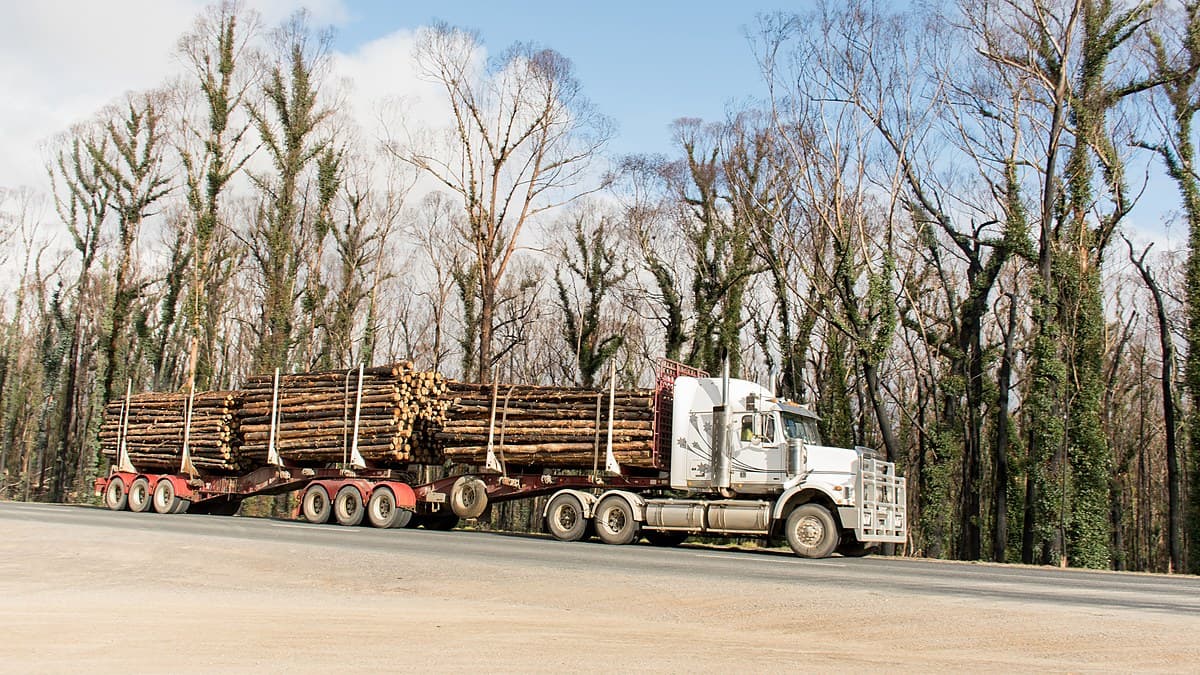
Timber Prices Jump Up to 15% as Diesel Shock Hits Repair Bills
Companies Mentioned
Why It Matters
Higher diesel‑driven material costs compress builder margins and force insurers to reassess underwriting assumptions, especially in regional markets where underinsurance risk is growing.
Key Takeaways
- •Timber prices up 15% driven by diesel cost surge
- •Diesel price shock adds 20‑30% surcharge to plastic piping
- •Builders shift from fixed‑price to cost‑plus contracts
- •Regional projects face higher reinstatement gaps and underinsurance risk
- •Claim durations lengthen as fuel costs embed in repair budgets
Pulse Analysis
The recent diesel price shock, amplified by geopolitical tensions in the Middle East, has exposed a hidden vulnerability in Australia’s construction supply chain. While timber itself is not a petroleum product, its harvesting, haulage and delivery rely heavily on diesel‑powered equipment. The resulting 15% jump in timber prices, coupled with a 36% surge in PVC and related plastics, is eroding profit margins for contractors and inflating the cost base of new builds and repairs alike. This dynamic underscores how energy price volatility can quickly translate into material cost spikes, even for commodities that are not directly linked to oil.
Builders are adapting by abandoning traditional fixed‑price and lump‑sum contracts in favor of shorter‑term, cost‑plus arrangements. Tender validity periods have contracted to as little as 15 days, reflecting the need for rapid price reassessment as fuel costs fluctuate. Subcontractors, especially those operating heavy plant and equipment, are beginning to quantify diesel‑related expenses, leading to broader quote ranges and more frequent scope‑change negotiations. These shifts signal a broader re‑pricing of risk across the construction sector, where the cost of mobilising crews, transporting materials and operating machinery now carries a pronounced fuel premium.
For insurers, the implications are twofold. First, the embedded fuel cost component accelerates claim inflation, extending repair timelines and widening the gap between reinstatement values and existing sum‑insured limits. Second, regional projects—already burdened by longer freight distances and thinner subcontractor pools—face heightened underinsurance exposure as diesel‑driven cost pressures intensify. As the Reserve Bank of Australia maintains a 4.10% cash rate to curb inflation, insurers will need to refine underwriting models to account for sustained energy volatility and its downstream effects on construction and repair costs.
Timber Prices Jump Up to 15% as Diesel Shock Hits Repair Bills
Comments
Want to join the conversation?
Loading comments...