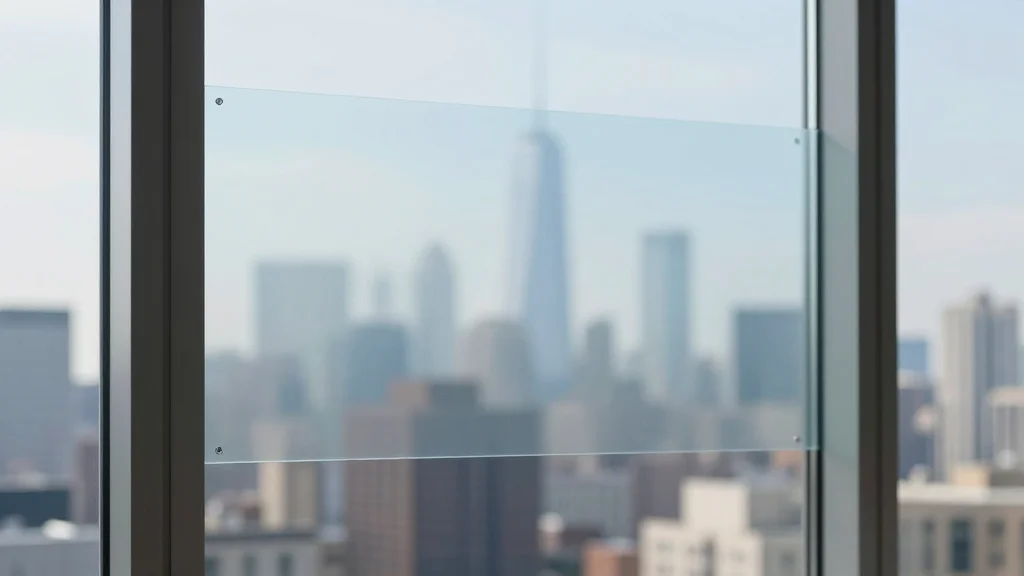
Transparent Window Insulation Is Better at Stemming Energy Loss, Manufacturer Says
Companies Mentioned
Why It Matters
The retrofit demonstrates a scalable, cost‑effective solution for high‑rise owners to cut energy waste, comply with stringent climate regulations, and attract sustainability‑focused tenants.
Key Takeaways
- •LuxWall retrofit targets 20% energy reduction at Nomad Tower
- •Transparent insulation delivers R‑value 18, 18× better than existing glazing
- •Project avoids eight‑figure replacement costs and tenant relocation
- •Helps Global Holdings meet NYC Local Law 97 emissions targets
Pulse Analysis
Transparent window insulation is reshaping how owners address the single biggest source of energy loss in high‑rise buildings: the glazing envelope. LuxWall’s film‑based solution can be applied to existing frames, delivering an R‑value of 18—far surpassing the R‑1 of single‑pane glass and even outpacing conventional double‑ or triple‑pane units. Beyond thermal performance, the coating cuts outdoor noise transmission by up to 30% and preserves natural daylight, enhancing occupant comfort without the visual penalties of thicker panes. This technology is gaining traction as developers seek quick, low‑disruption upgrades that deliver measurable energy savings.
In New York City, the stakes are especially high. Local Law 97 obliges owners to slash building emissions 40% by 2030 and 80% by 2050, with penalties of up to $268 per ton of CO₂‑equivalent over the allowance. By slashing the building’s energy use by roughly one‑fifth, the Nomad Tower retrofit directly contributes to compliance, reducing potential fines and improving the asset’s marketability to tenants who prioritize ESG credentials. The glass‑only approach sidesteps the typical eight‑figure capital outlay and tenant relocation associated with full façade replacements, delivering a payback horizon under five years—a compelling financial narrative for investors.
The broader market is watching as other firms like 3M, EnerLogic, Kalwal, and Duo‑Gard roll out competing transparent or translucent insulation products. LuxWall’s claim of an 18‑times performance boost positions it at the premium end of this emerging segment, but the real differentiator will be scalability and cost parity. If the technology can be mass‑produced and installed across the nation’s aging building stock, it could become a cornerstone of the United States’ path to net‑zero commercial real estate, driving both regulatory compliance and tenant‑driven demand for healthier, greener workspaces.
Transparent window insulation is better at stemming energy loss, manufacturer says
Comments
Want to join the conversation?
Loading comments...