Trump Administration Releases Second Avenue Subway Funding
Why It Matters
Restoring the $58 million unlocks critical capital for a long‑delayed transit project that will improve service for East Harlem residents and demonstrates that federal infrastructure dollars can still flow despite political friction. The decision also sets a precedent for how compliance disputes may be handled in future large‑scale transportation initiatives.
Key Takeaways
- •$58 million federal funds released after seven‑month hold
- •Phase 2 tunnel boring contract, worth $2 billion, can now proceed
- •Dispute centered on DBE compliance and DEI policy objections
- •Extension adds Q‑train service from 96th to 125th Streets
- •Gov. Hochul plans further westward Q‑train expansion after Phase 2
Pulse Analysis
The release of the $58 million underscores how federal funding can become a bargaining chip in broader political battles. In this case, the Department of Transportation leveraged a compliance claim over the Disadvantaged Business Enterprise program to withhold money, a move that drew criticism from state officials and prompted a lawsuit. The eventual resolution—citing the MTA’s compliance—highlights the delicate balance between policy enforcement and the need to keep essential infrastructure projects on schedule.
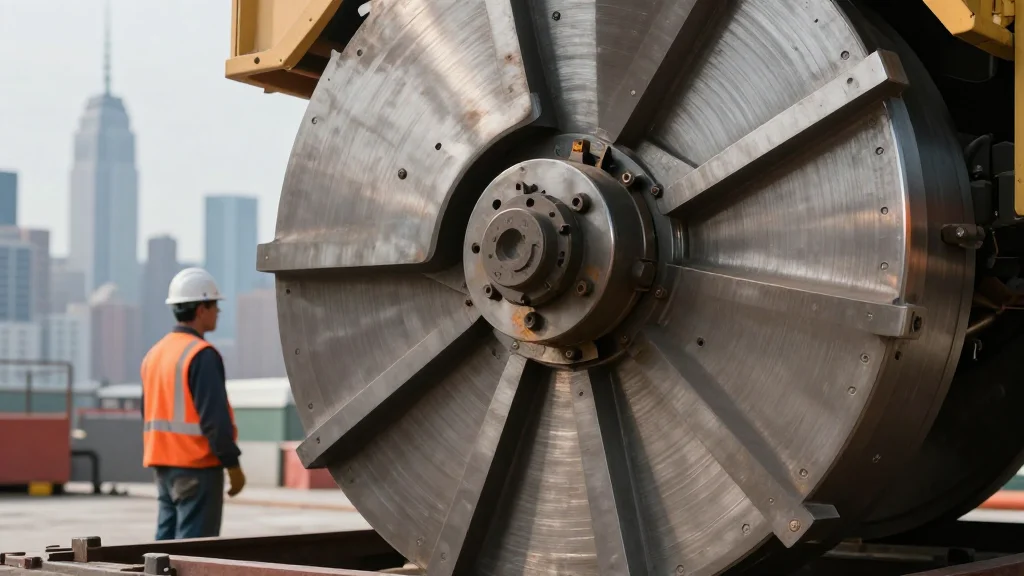
Phase 2 of the Second Avenue Subway, now cleared to proceed, represents a pivotal upgrade for New York’s transit network. The $2 billion tunnel‑boring contract will extend the Q line through East Harlem, an area historically underserved by rapid transit. By improving connectivity between 96th and 125th Streets, the project is expected to boost ridership, reduce bus congestion, and spur economic development along the corridor. Analysts project that the extension could generate tens of thousands of new jobs during construction and deliver long‑term benefits in reduced travel times and increased property values.
Beyond the immediate impact, the funding decision signals how future infrastructure initiatives may navigate federal‑state dynamics. Governor Hochul’s ambition to push the Q line further westward hinges on the successful completion of Phase 2, while other high‑profile projects like the Gateway Tunnel remain under scrutiny. The episode illustrates that political disputes, whether over DEI policies or budget priorities, can delay critical investments, but also that judicial intervention can restore momentum. Stakeholders will watch closely to see whether this precedent encourages more collaborative compliance pathways, ensuring that large‑scale transit projects receive the consistent support they require.
Trump Administration Releases Second Avenue Subway Funding
Comments
Want to join the conversation?
Loading comments...