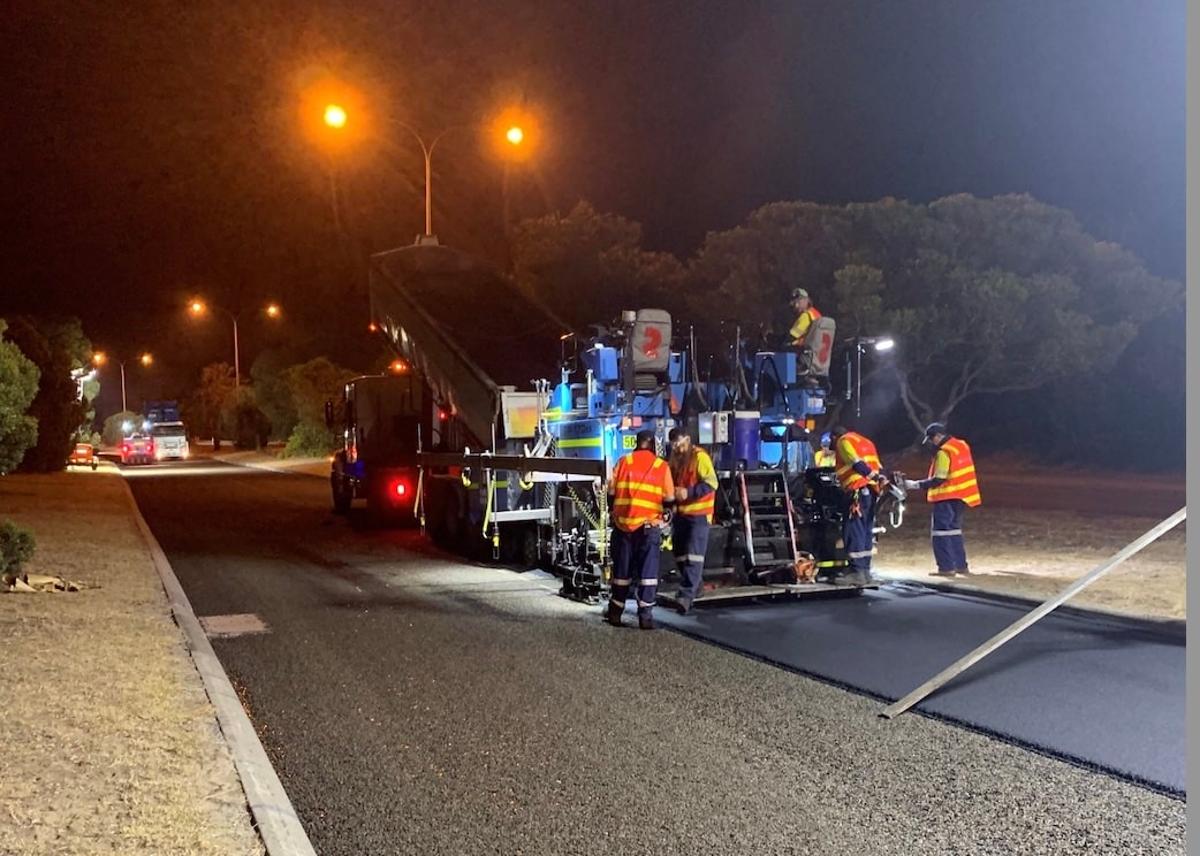
Tyre Stewardship Australia: A Blueprint for Road Durabilitiy
Why It Matters
The shift from trial to specification‑backed use unlocks faster, cost‑effective road upgrades and aligns infrastructure projects with circular‑economy goals, delivering both fiscal and environmental upside for asset owners.
Key Takeaways
- •Crumb rubber extends pavement life, cutting resurfacing frequency
- •New national specification enables consistent use on light‑to‑medium roads
- •Western Australia and Queensland prove large‑scale, performance‑verified deployments
- •Mandatory use could recycle 159,000 t of tyres, treating 26 million annually
- •Supply chain improvements boost regional availability and procurement confidence
Pulse Analysis
The integration of tyre‑derived crumb rubber into asphalt binders is reshaping Australia’s road‑building paradigm. By blending recycled tyre material with bitumen, engineers achieve higher elasticity, superior crack resistance, and reduced oxidative ageing, translating into longer‑lasting pavements. These engineering gains directly lower the frequency of resurfacing works, curbing material consumption and the emissions tied to traffic disruptions. In a market increasingly focused on whole‑life performance, crumb‑rubber solutions present a tangible pathway to meet sustainability targets while extending asset value.
Recent industry milestones have moved crumb rubber from niche trials to a scalable standard. TSA’s 2024 benefits report quantifies binder‑level greenhouse‑gas cuts, while the Australian Flexible Pavement Association’s October 2025 model specification delivers a nationally consistent framework for light‑to‑medium duty roads. Real‑world deployments in Western Australia’s WARRIP programme and Fulton Hogan’s north‑Queensland mobile blending plant have validated these standards, showing consistent quality, reduced risk premiums, and measurable emissions savings. The data underscore that performance, not just recycled content, drives adoption.
The business implications are profound. A unified specification reduces procurement friction, stabilises pricing, and encourages repeat use, thereby lowering risk for asset managers. TSA’s modeling suggests that a mandatory crumb‑rubber mandate could divert 159,000 tonnes of tyres each year, supporting domestic recycling markets and delivering a circular‑economy advantage. As regional supply chains mature, the material becomes a reliable input for both state and local projects. Stakeholders that act now—by embedding the specification into contracts and aligning procurement policies—stand to capture cost efficiencies, meet ESG commitments, and future‑proof Australia’s road infrastructure.
Tyre Stewardship Australia: A blueprint for road durabilitiy
Comments
Want to join the conversation?
Loading comments...