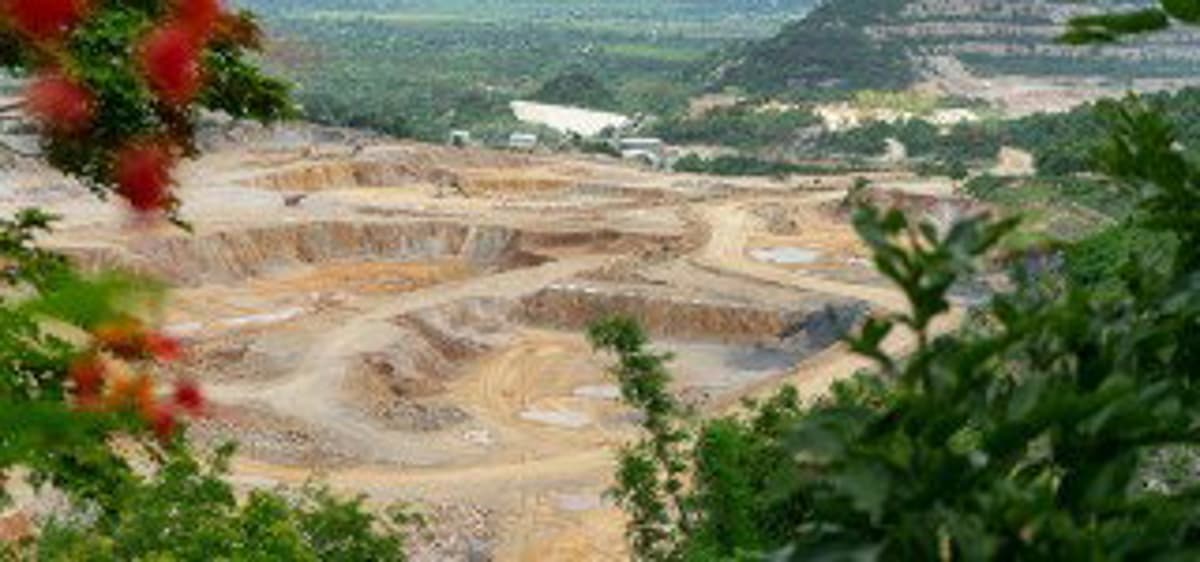
University of Regina and TCMA Partner for Carbon Capture Innovation
Why It Matters
Cement accounts for roughly 7% of global CO₂, so scaling capture technology could cut emissions dramatically, accelerating Thailand’s climate targets while opening export markets for Canadian clean‑energy solutions.
Key Takeaways
- •Pilot unit ships to Thailand for real‑world testing.
- •Canadian funding backs carbon capture demonstration in cement industry.
- •Thailand aims for net‑zero cement emissions by 2050.
- •Partnership extends prior Saskatchewan‑Thailand energy cooperation.
- •Regina’s technology becomes exportable clean‑energy solution.
Pulse Analysis
Cement production is one of the most carbon‑intensive industrial processes, responsible for about seven percent of worldwide CO₂ emissions. Traditional mitigation routes—energy efficiency and alternative fuels—have reached practical limits, prompting a shift toward carbon capture, utilisation, and storage (CCUS). Deploying CCUS at scale could remove millions of tonnes of CO₂ annually, making it a pivotal tool for nations seeking to meet Paris Agreement commitments and industry‑wide net‑zero goals.
The University of Regina’s Clean Energy Technologies Research Institute has engineered a pilot‑scale CCUS unit specifically for the cement sector. Backed by Environment and Climate Change Canada and coordinated with the United Nations Industrial Development Organization, the system will be shipped to Thailand in early April for on‑site testing at a member cement plant of the Thai Cement Manufacturers Association. This initiative leverages a 2023 memorandum of understanding between Saskatchewan and the Thai association, reinforcing a pipeline of technical expertise and knowledge exchange that extends beyond academic research into tangible industrial application.
For Thailand, the pilot aligns with its ambitious target to achieve net‑zero emissions in cement by 2050, offering a real‑world proof point that could accelerate nationwide adoption of CCUS. For Canada, the project demonstrates the exportability of home‑grown clean‑energy technologies, potentially unlocking new revenue streams and strengthening the country’s position in the global climate‑tech market. As more jurisdictions confront the hard‑to‑abate nature of cement emissions, successful pilots like Regina’s could become templates for international collaboration, driving both environmental outcomes and economic opportunities.
University of Regina and TCMA partner for carbon capture innovation
Comments
Want to join the conversation?
Loading comments...