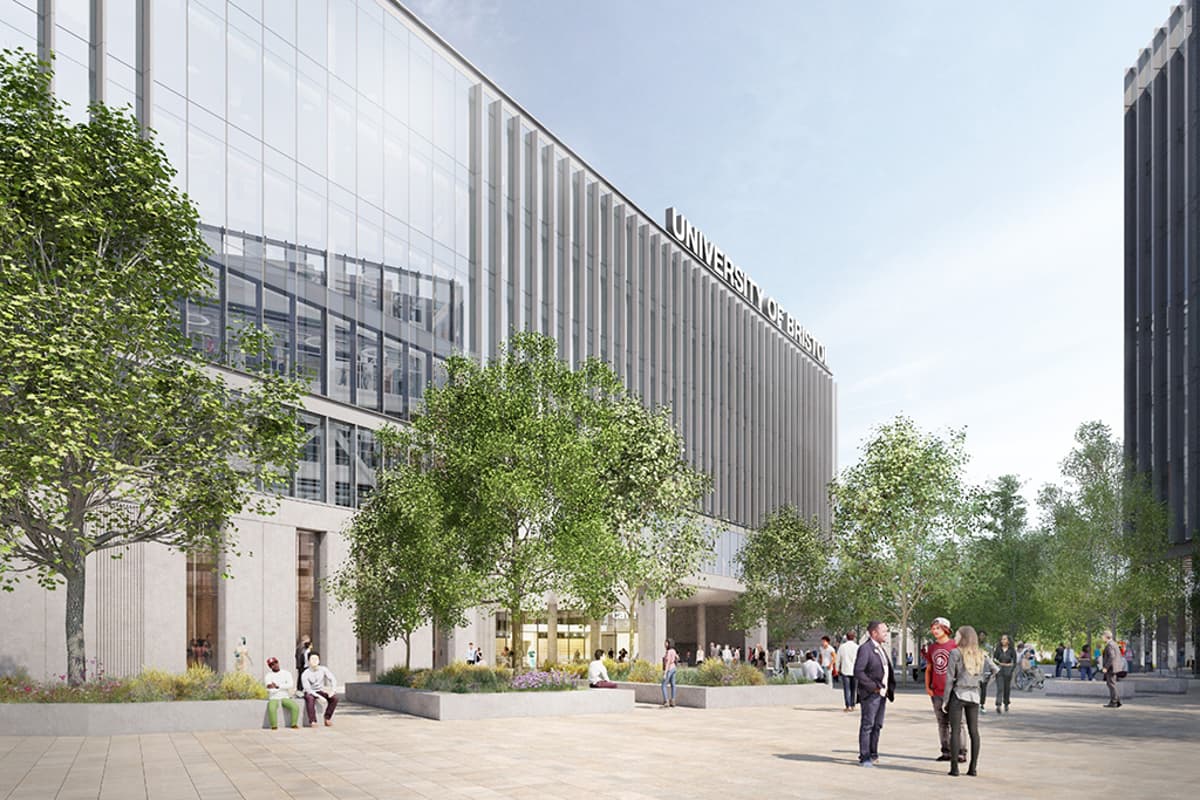
University Rethinks Final Stage of £500m Campus Amid Cost Concerns
Why It Matters
The delay highlights how inflationary pressures in the construction sector are reshaping university expansion strategies and could dampen expected economic benefits for the surrounding city. It underscores the need for flexible estate planning in an uncertain property market.
Key Takeaways
- •Bristol campus CM1 opens September, CM2 delayed indefinitely
- •£500 m (£625 m US) project scaled back due to cost volatility
- •University seeks 15‑year “meanwhile use” for vacant land
- •Delays reflect broader UK university construction slowdown
- •CM1 remains on time and budget, supporting campus regeneration
Pulse Analysis
The University of Bristol’s decision to pause the second building of its £500 million Temple Quarter Enterprise Campus reflects a broader surge in construction costs that has rattled higher‑education capital spending across the UK. Inflation in raw materials, labor shortages, and post‑pandemic supply chain disruptions have pushed project budgets well beyond original forecasts, prompting institutions to reassess phased rollouts. By converting the £500 m outlay to roughly $625 m US, the scale of the financial exposure becomes clear, and the university’s choice to focus on the already‑budgeted CM1 mitigates immediate fiscal risk.
Beyond the university’s balance sheet, the delay carries implications for Bristol’s urban regeneration plans. The Temple Quarter, anchored by the new academic building, was slated to become a mixed‑use hub attracting students, staff, and commercial activity. With CM2 on hold, the university is applying for a 15‑year temporary use permit, allowing the vacant parcel to host events such as Fresher’s Week and community gatherings. This interim strategy not only prevents the site from sitting idle but also injects short‑term economic activity into the local area, buying time for the institution to monitor market conditions before committing to further construction.
Bristol’s move is part of a wider pattern; universities from Kent to Aberdeen have recently shelved or scaled back multi‑million‑pound projects. The trend signals a shift toward more agile estate management, where institutions prioritize core teaching facilities and defer ancillary space until demand stabilizes. As building cost volatility persists, higher‑education leaders will likely adopt modular designs, phased financing, and flexible land‑use agreements to safeguard both academic missions and regional development goals.
University rethinks final stage of £500m campus amid cost concerns
Comments
Want to join the conversation?
Loading comments...