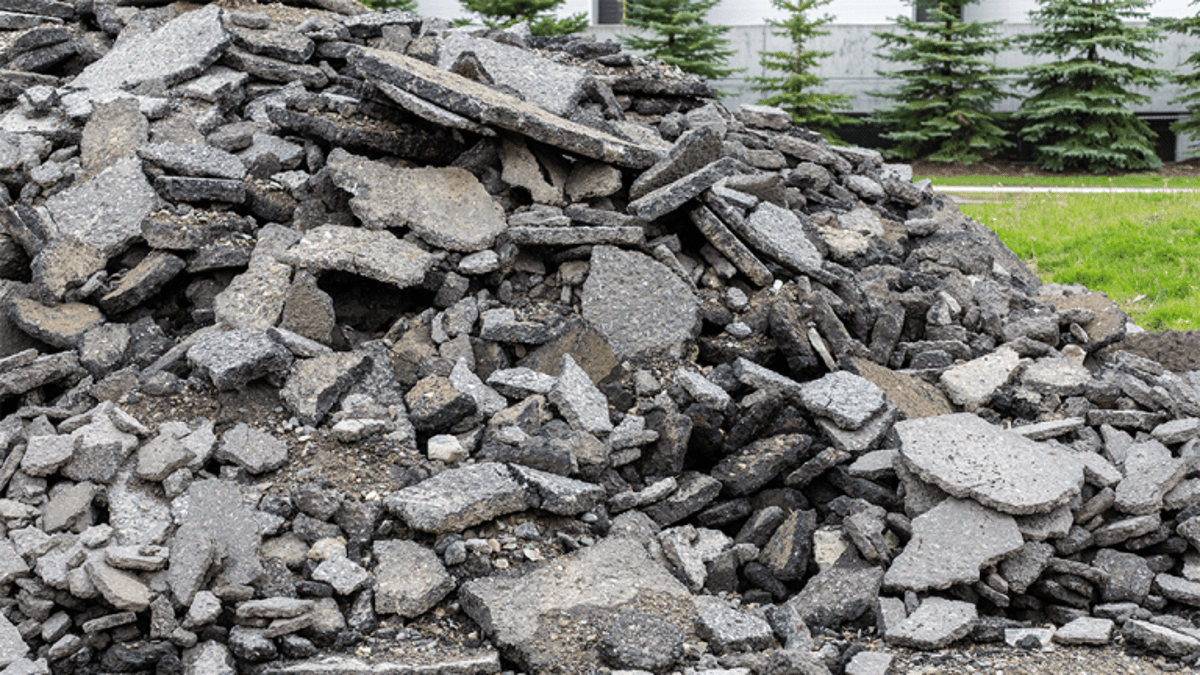
Unprecedented Reclaimed Asphalt Pavement Recycling Rate in the U.S. Is an Industry Success Story
Why It Matters
The record‑breaking RAP utilization demonstrates that large‑scale recycling can deliver substantial cost savings and environmental benefits, positioning asphalt as a model for sustainable infrastructure. Federal incentives could accelerate adoption, magnifying fiscal and climate gains across state DOTs.
Key Takeaways
- •101.4 million tons of RAP used in 2024, 47% rise since 2009
- •Recycled RAP saved $4.7 billion, about $35 per U.S. household
- •Warm‑mix asphalt reached 40.2% of market, boosting energy efficiency
- •72.5 million cubic yards diverted from landfills, equal to 53 Empire State Buildings
- •NAPA urges Congress to fund projects exceeding 25% RAP usage
Pulse Analysis
The asphalt sector’s near‑perfect recycling rate in 2024 underscores a broader shift toward circular construction practices. By reprocessing reclaimed asphalt pavement, the industry not only reduces the demand for virgin aggregates but also cuts the carbon intensity of road building. This achievement aligns with the United Nations’ Sustainable Development Goals for responsible consumption and climate action, illustrating how a mature commodity can be leveraged for environmental stewardship without sacrificing performance.
Economic implications are equally compelling. The $4.7 billion in taxpayer savings translates to roughly $35 per household, a figure that resonates with both policymakers and the public. Warm‑mix asphalt, which now represents over 40% of the market, further lowers energy consumption by allowing lower‑temperature production. These efficiencies free up state transportation budgets for other critical projects, while the diversion of 72.5 million cubic yards of material from landfills reduces disposal costs and preserves valuable land resources.
Looking ahead, NAPA’s push for federal incentives could institutionalize the gains made in 2024. By offering higher reimbursement rates for projects that exceed a 25% RAP threshold, Congress can encourage broader adoption of high‑RAP mixes, driving down costs and emissions on a national scale. Ongoing data collection for the 2025 season will provide the metrics needed to fine‑tune mix designs and verify performance, ensuring that sustainability and durability remain complementary goals as the industry evolves.
Unprecedented reclaimed asphalt pavement recycling rate in the U.S. is an industry success story
Comments
Want to join the conversation?
Loading comments...