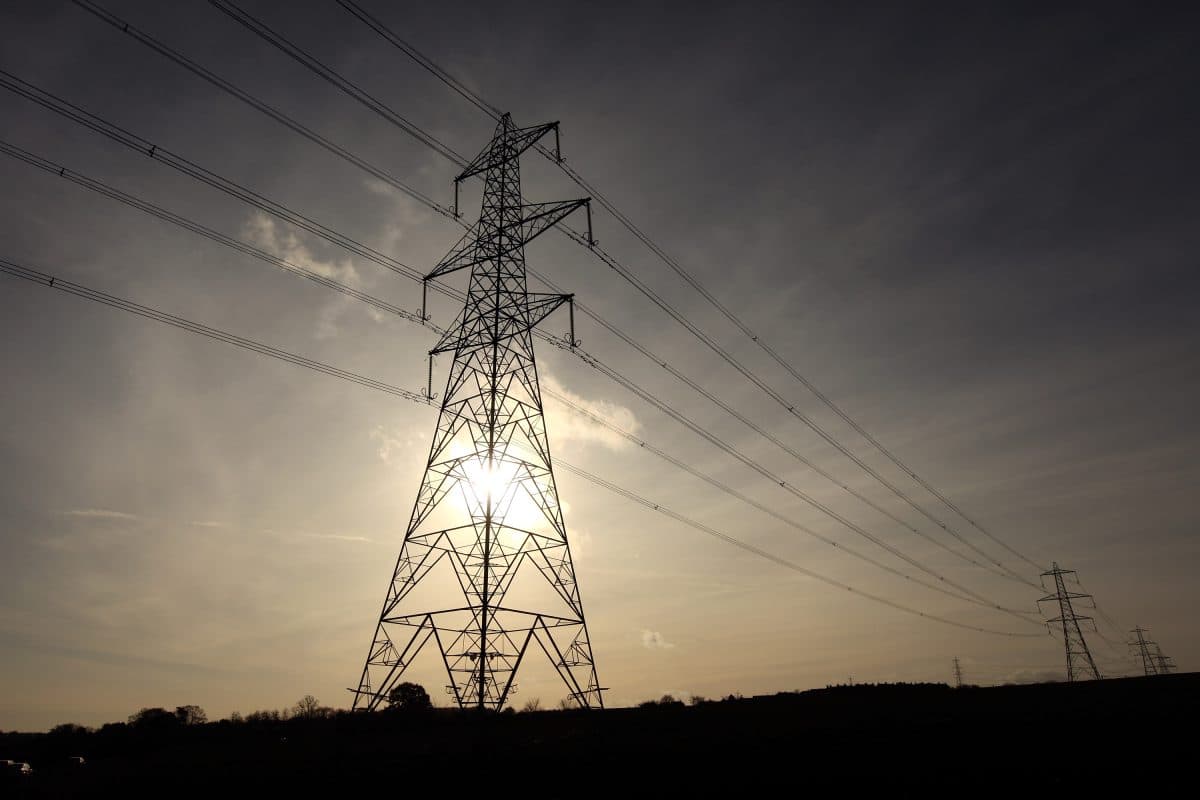
Upgrading the Grid Risks Ending up Like HS2
Companies Mentioned

Oxford Ionics
OrganOx
Why It Matters
A coordinated, digitally enabled grid is essential for affordable, resilient clean energy and to avoid fiscal pitfalls that could undermine the UK’s net‑zero ambitions. Success will boost competitiveness, create high‑skill jobs, and secure supply chains for critical minerals.
Key Takeaways
- •UK grid upgrade must be digitally integrated to handle renewable variability
- •Lack of systems coordination risks cost overruns similar to HS2
- •Recycling turbine magnets could supply neodymium for 12,000 EVs per turbine
- •UK spinouts generate 27,000 jobs, leading Europe in university commercialization
- •Stable policy and a single systems architect are essential for grid success
Pulse Analysis
Upgrading Britain’s electricity network is far more than laying new cables; it demands a fully digital backbone that can balance intermittent wind and solar output with real‑time demand from electric vehicles and distributed storage. Without advanced sensors, AI‑driven forecasting and automated controls, operators risk grid instability and miss out on cost‑saving opportunities from smart appliances. The experience of HS2 and Crossrail shows that fragmented governance can inflate budgets and delay delivery, making a single, accountable systems architect a strategic necessity.
The economic upside of the grid overhaul is substantial. The net‑zero sector already contributed roughly £105bn (about $133bn) in 2025 and supports 1.1 million jobs, yet an additional 200,000 skilled workers will be required by 2030. These roles span solar installation, clean‑energy executive leadership, and electric‑vehicle manufacturing, offering high‑wage, future‑proof employment. Consistent, long‑term policy—particularly a unified oversight body that bridges public and private interests—will be the linchpin that translates technical ambition into tangible growth and energy security.
Beyond power delivery, the transition unlocks ancillary innovation streams. Recycling neodymium from decommissioned offshore turbines could furnish enough rare‑earth metal for 12,000 electric‑vehicle motors per turbine, reducing reliance on overseas imports and creating a domestic “urban mining” industry. Meanwhile, the UK’s university spin‑out ecosystem is thriving, with 2,000 firms generating 27,000 jobs and leading Europe in commercialising research. This synergy of grid modernization, resource circularity, and entrepreneurial vigor positions the UK to meet climate goals while reinforcing its global competitiveness.
Upgrading the grid risks ending up like HS2
Comments
Want to join the conversation?
Loading comments...