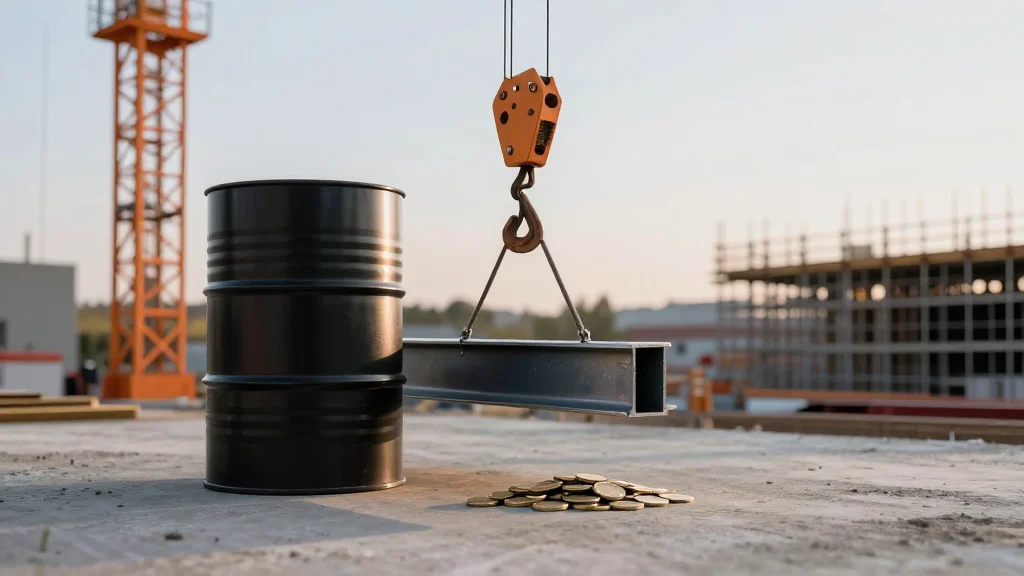
Watch: How the Energy Shock Is Hammering Europe’s Construction Industry
Why It Matters
Rising energy costs are inflating material prices, eroding profit margins and threatening the nascent rebound of Europe’s construction market, which could delay projects and feed broader inflationary pressures.
Key Takeaways
- •Energy‑intensive materials face cost spikes as gas prices stay high
- •19% of European builders plan to raise prices, three‑year high
- •Netherlands and Spain most vulnerable due to gas‑dependent production
- •Price hikes threaten construction recovery and could delay projects
Pulse Analysis
The current energy shock stems from a confluence of geopolitical tensions and supply constraints that have kept oil and gas prices elevated despite a tentative cease‑fire in the Middle East. Europe, heavily reliant on imported gas, now faces a cost environment reminiscent of the 2022 crisis, prompting analysts at ING to flag the strongest price‑rise expectations in years. This backdrop is reshaping the economics of sectors that consume large energy volumes, with construction standing out due to its dependence on high‑temperature processes.
Materials such as cement, concrete and bricks require substantial heat, traditionally sourced from natural gas. As a result, manufacturers are grappling with higher production costs, prompting almost 20% of building firms across the continent to announce price increases – a three‑year peak. The impact is uneven: the Netherlands and Spain, whose supply chains lean heavily on gas, are feeling the pressure more acutely than markets with diversified energy mixes. These cost pass‑throughs are already reflected in tender documents, squeezing margins for contractors and developers.
The ripple effects extend beyond the construction site. Elevated material costs feed into broader inflation metrics, pressuring consumer purchasing power and prompting policymakers to reconsider energy subsidies and carbon‑pricing mechanisms. For developers, the timing is particularly problematic, as projects that were slated to capitalize on a post‑pandemic upswing now face tighter budgets and potential delays. Industry observers suggest that unless energy prices stabilize or alternative low‑carbon fuels become mainstream, the sector’s recovery could stall, prompting a strategic shift toward energy‑efficient building practices and greater supply‑chain resilience.
Watch: How the energy shock is hammering Europe’s construction industry
Comments
Want to join the conversation?
Loading comments...