Why It Matters
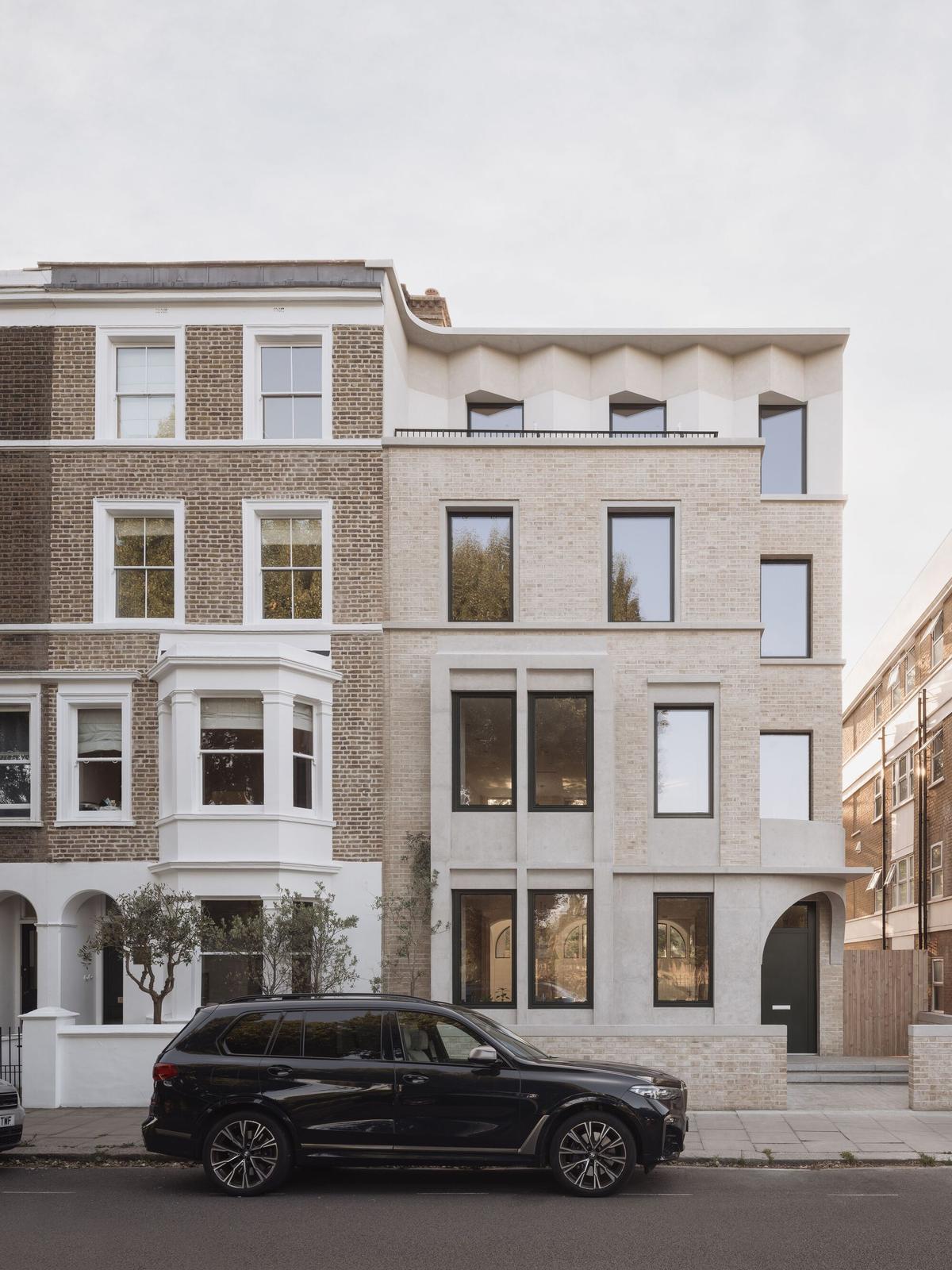
The project shows how high‑quality extensions can revitalize dense London housing, delivering multigenerational functionality and sustainability while setting a benchmark for premium residential renovations.
Key Takeaways
- •244 sqm extension adds near‑independent living space to Victorian terrace
- •Double‑height volume channels east‑west daylight throughout ground‑floor living areas
- •Sustainable features include high insulation and roof‑mounted solar panels
- •Curved brick arches create tactile, timeless exterior language
- •Design supports multigenerational living with private balconies and flexible suites
Pulse Analysis
London’s housing market faces a paradox of limited land and growing demand for flexible, family‑friendly homes. West London House illustrates how a well‑executed lateral extension can unlock valuable square footage without sacrificing the street’s historic character. By preserving the original Victorian façade and introducing a lighter‑toned yellow brick envelope, Goldstein Heather demonstrates a nuanced dialogue between old and new, a strategy increasingly favoured by developers seeking planning approval in conservation areas.
The architectural language of the project hinges on light and materiality. A soaring double‑height space draws east‑west daylight deep into the plan, while curved brick arches and a timber staircase sculpt the interior experience. Sustainable choices—high‑performance insulation, solar panels, and low‑embodied‑energy brick—align the home with the UK’s net‑zero targets, making it a showcase for environmentally conscious luxury. The bespoke kitchen, featuring a veined marble island and ash joinery, reinforces the studio’s commitment to tactile, enduring finishes.
Beyond aesthetics, West London House responds to a broader societal shift toward multigenerational living. The layout offers private suites, balconies, and flexible circulation, allowing children to stay longer and extended family to visit comfortably. This model appeals to affluent buyers who value both privacy and communal spaces, suggesting a growing market for adaptable, high‑spec extensions in urban cores. As London’s property values continue to rise, projects that combine heritage sensitivity, sustainability, and family‑centric design are likely to set new standards for premium residential development.
West London House / Goldstein Heather
Comments
Want to join the conversation?
Loading comments...