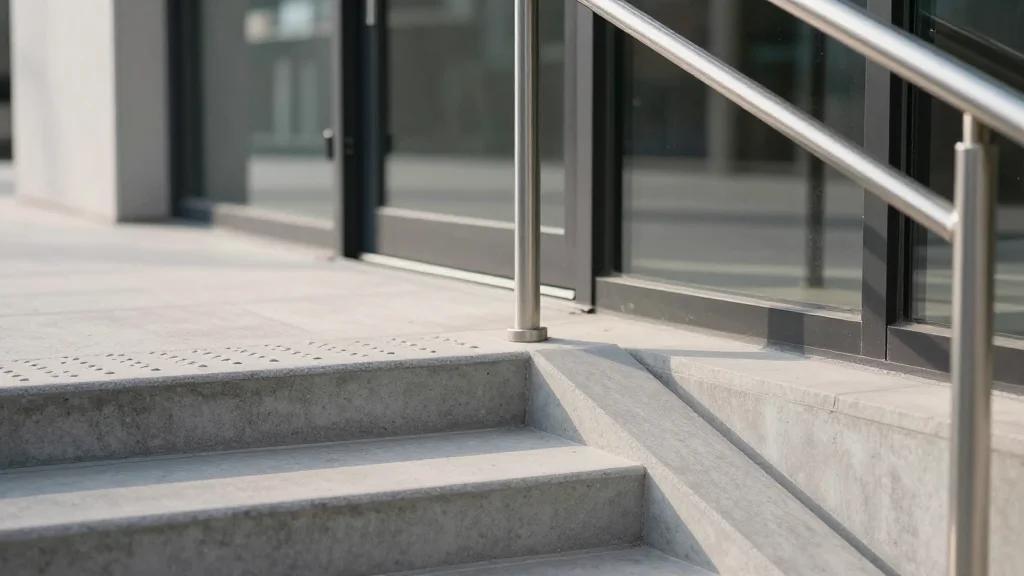
When Compliance Isn’t Enough: Why Accessibility Still Fails on Site
Why It Matters
True accessibility impacts user safety, legal liability and ESG performance, making it a critical business risk and competitive differentiator for owners and operators.
Key Takeaways
- •Technical compliance often hides functional accessibility failures
- •Contrast, lighting, and installation tolerances affect cue visibility
- •Maintenance decay can render compliant features ineffective over time
- •All stakeholders must treat accessibility as core safety infrastructure
- •ESG metrics increasingly evaluate accessibility performance of assets
Pulse Analysis
Australia’s disability legislation and the National Construction Code have created a robust baseline for accessible design. The DDA, NCC and AS 1428 series give architects and engineers clear checklists, enabling faster approvals and reducing legal exposure. However, these standards focus on measurable specifications—ramp slopes, doorway widths, tactile indicators—without fully accounting for the nuanced interaction between those elements and the surrounding environment. As a result, a building can technically pass inspection while still presenting barriers to people with vision or mobility impairments.
The real-world gap emerges on the construction site and later during building operation. Small variations in colour contrast, surface reflectance, or lighting levels can make tactile ground surface indicators invisible to low‑vision users. Improper alignment of stair nosings or wear from routine cleaning can degrade the reliability of wayfinding cues. Over time, repainting, flooring replacement or lighting upgrades may unintentionally reduce the visual contrast that accessibility features rely on. Without systematic monitoring and maintenance, even perfectly installed elements can lose effectiveness, turning compliance into a false sense of security.
Industry leaders are responding by embedding accessibility performance into broader ESG and asset‑management frameworks. Architects now coordinate material palettes and lighting plans early to preserve contrast, while engineers test durability of tactile surfaces under realistic wear conditions. Builders treat accessibility components with the same rigor as fire‑safety systems, and surveyors verify functional performance, not just presence. Facility managers implement regular audits, and owners tie accessibility metrics to sustainability reporting, recognizing that inclusive environments enhance tenant satisfaction and protect brand reputation. This holistic, lifecycle‑focused approach bridges the compliance‑functionality divide, turning regulatory checkboxes into truly barrier‑free spaces.
When Compliance Isn’t Enough: Why Accessibility Still Fails on Site
Comments
Want to join the conversation?
Loading comments...