Why Drainage Systems Are Key to Modern Construction
Why It Matters
Effective drainage design safeguards building performance, reduces remediation expenses, and meets increasingly strict regulatory standards. It also drives operational efficiency and sustainability, directly influencing project profitability and client satisfaction.
Key Takeaways
- •Pump-assisted drainage prevents costly retrofits and regulatory penalties.
- •Dual-pump configurations ensure continuity for hospitals and high‑occupancy buildings.
- •Specialist distributors reduce lead times with same‑day dispatch and technical support.
- •Variable‑speed drives cut energy use, improving whole‑life cost performance.
- •Designing for whole‑life cost yields savings over a 10‑20 year horizon.
Pulse Analysis
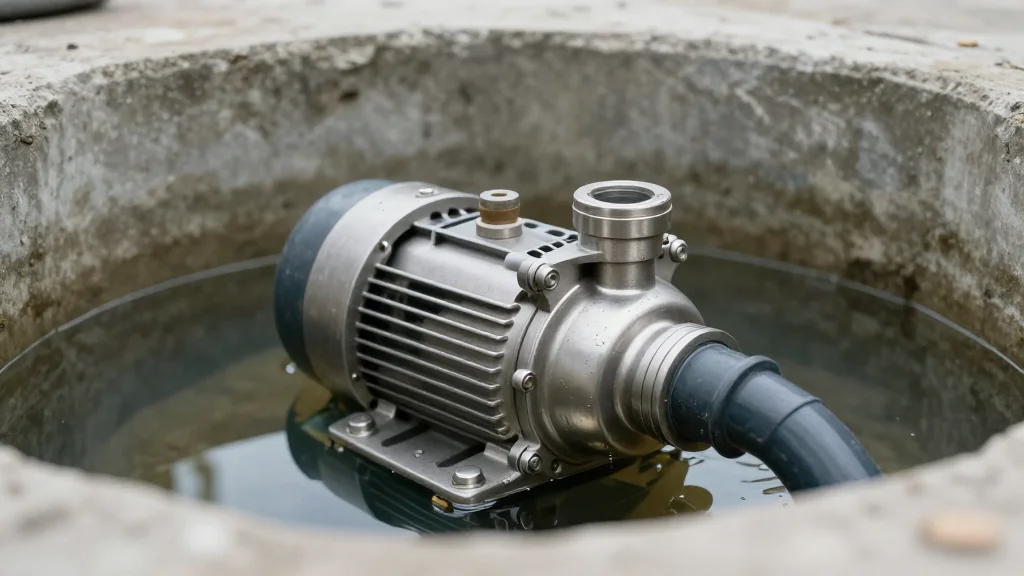
In today’s construction landscape, drainage is no longer a back‑office concern but a front‑line determinant of project success. As buildings generate larger volumes of wastewater and surface runoff, engineers must integrate pump‑assisted systems that can overcome gravity constraints, especially in basements, low‑lying sites, or where discharge points sit higher than the source. Early‑stage specification of submersible pumps, sewage lifting stations, and appropriate head pressures eliminates the need for expensive retrofits and ensures compliance with local building codes that increasingly mandate redundancy for critical facilities.
Pump selection is a nuanced discipline that balances flow capacity, solid‑handling ability, and energy consumption. Dual‑pump or duty‑standby configurations are now standard for hospitals, hotels, and high‑occupancy residential towers, providing uninterrupted service during maintenance. Moreover, partnering with specialist distributors accelerates procurement; same‑day dispatch and on‑site technical support reduce schedule risk and prevent costly delays. These distributors bring deep product knowledge that general merchants lack, guiding contractors through free‑passage ratings, duty cycles, and installation nuances essential for reliable operation.
Sustainability pressures are reshaping drainage design, pushing firms toward energy‑efficient motors and smart control systems. Variable‑speed drives adjust pump output to real‑time demand, slashing electricity use in large commercial complexes where pumps may run continuously. By adopting a whole‑life cost perspective—factoring energy, maintenance, and longevity—developers can justify higher upfront investments that pay off over a 10‑20‑year horizon. This strategic approach not only enhances a building’s environmental credentials but also strengthens the developer’s bottom line, reinforcing the competitive edge in a market where operational efficiency is paramount.
Why Drainage Systems Are Key to Modern Construction
Comments
Want to join the conversation?
Loading comments...