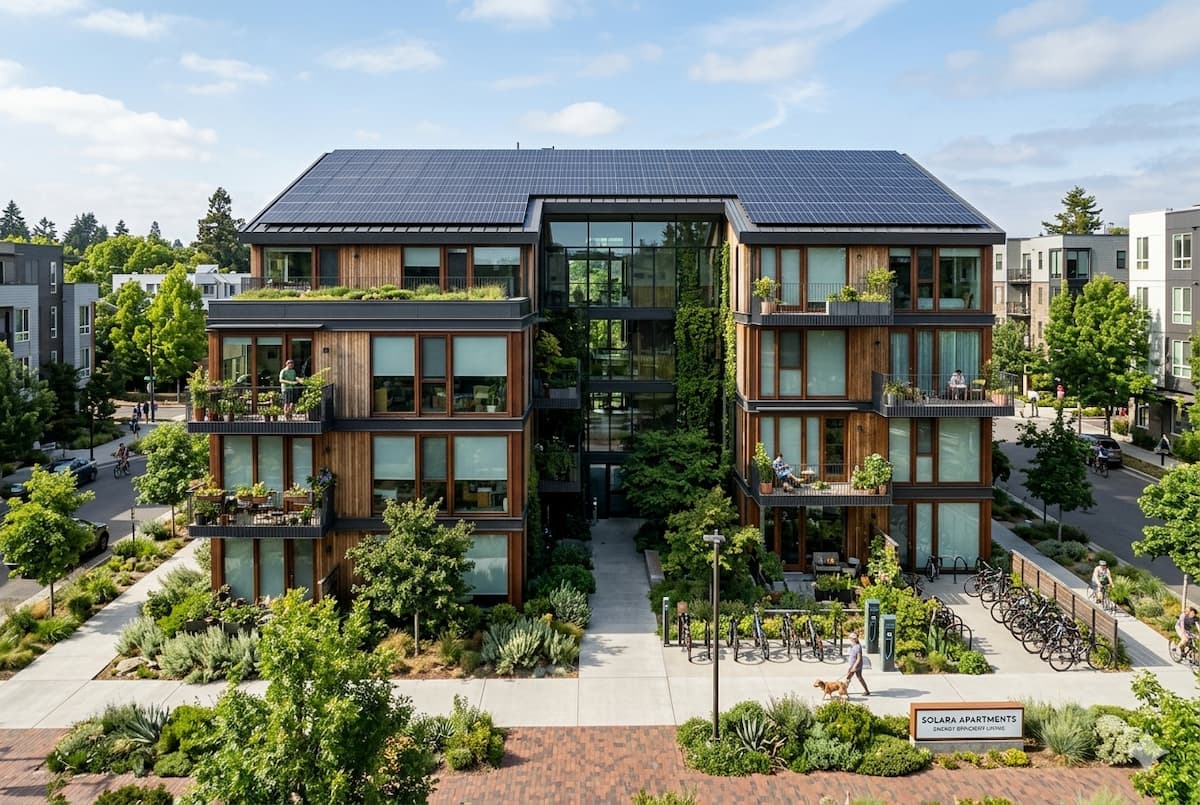
Why Smart & Energy-Efficient Apartments Are the Future
Key Takeaways
- •Buildings consume 40% of EU energy; residential 27% of that
- •Energy‑performance certificates now affect mortgage rates and insurance premiums
- •Heat pumps and rooftop solar cut heating costs by up to 70%
- •Smart meters enable demand‑response programs, lowering tenant utility bills
- •Maintenance teams need data skills to avoid alert fatigue in smart buildings
Pulse Analysis
The convergence of soaring electricity prices and ambitious EU climate mandates has turned energy efficiency from a niche selling point into a market imperative. The revised Energy Performance of Buildings Directive forces new constructions to meet stringent EPC thresholds, while lenders reward A‑rated flats with lower mortgage rates and insurers begin pricing energy performance into premiums. For buyers and renters, the financial calculus now includes not just rent or purchase price but the projected utility bill and financing costs, making efficiency a core component of the overall housing cost.
At the heart of the efficiency shift are proven technologies that have become cost‑effective at scale. Air‑source heat pumps, now delivering three to four units of heat per electricity unit, have tripled their market share in Western Europe since 2020, slashing heating expenses by up to 70% compared with gas or electric resistance. Rooftop solar paired with community‑owned batteries allows multi‑unit buildings to store daytime generation and discharge during peak demand, further reducing grid reliance. Smart meters and building‑management systems automate climate control, lighting, and water‑leak detection, enabling demand‑response programs that shave another $30‑$40 off monthly utility bills for tenants.
Adoption is not without friction. Tenants may find automated lighting or app‑based controls intrusive, and the upfront capital outlay for smart infrastructure can strain affordability in tight housing markets. More critically, the data‑rich environment demands skilled facilities teams; without proper analytics, operators face alert fatigue and missed maintenance opportunities. As European regulators tighten retrofit timelines and energy‑community models mature, developers who invest in both technology and the human expertise to manage it will capture the next wave of value in residential real estate.
Why Smart & Energy-Efficient Apartments Are the Future
Comments
Want to join the conversation?