Why Trinity College Is Investing in Retrofitting and Resilience for the UK's Future Climate
Companies Mentioned
Why It Matters
The retrofitting program demonstrates how legacy campuses can drive decarbonisation while safeguarding assets, influencing broader UK built‑environment policy and investment decisions.
Key Takeaways
- •Trinity College allocates £30 million to campus retrofits
- •Target: 40% reduction in operational emissions by 2035
- •Focus on foundation strengthening and flood‑defence upgrades
- •Renewable energy and smart‑grid tech installed across sites
Pulse Analysis
Retrofitting historic campuses is becoming a cornerstone of the UK’s climate strategy, and Trinity College’s £30 million commitment underscores that shift. While many institutions prioritize new construction, Trinity is investing in the often‑overlooked structural foundations that determine a building’s longevity under extreme weather. By reinforcing foundations, upgrading drainage, and integrating passive‑house standards, the college not only protects its architectural heritage but also creates a replicable blueprint for other universities and heritage sites facing rising flood risks.
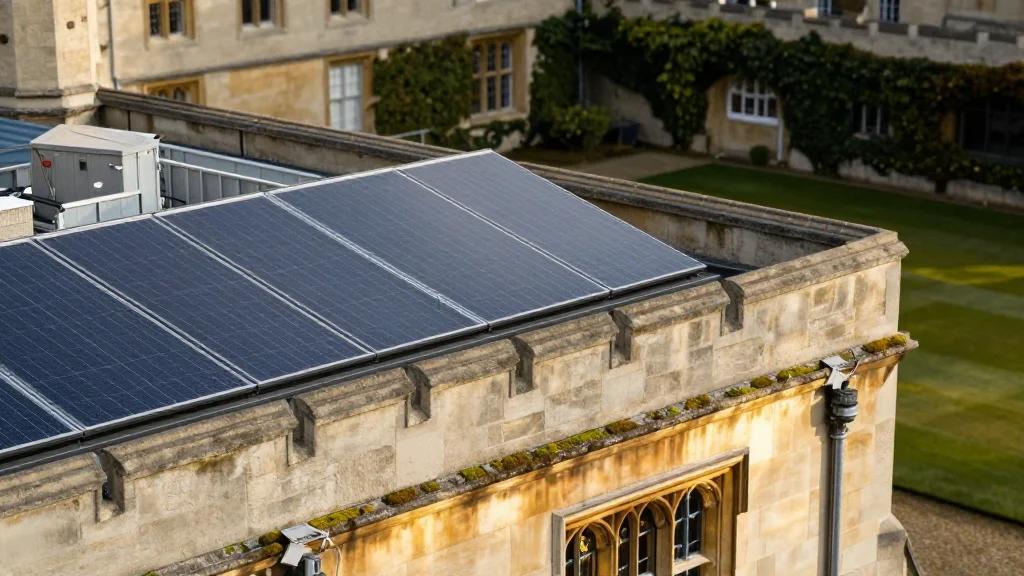
The financial scale of Trinity’s programme signals a broader market trend: capital is moving from speculative development toward resilience‑focused upgrades. The college’s plan includes installing solar arrays, battery storage, and smart‑metering across its estate, which together are projected to slash campus energy demand by nearly half. These measures dovetail with the UK’s 2050 net‑zero mandate and the UK Green Building Council’s call for a "retrofit, not replace" approach, positioning the institution as a leader in low‑carbon operational models.
Beyond emissions, the retrofit effort delivers tangible economic benefits. By extending the service life of existing structures, Trinity reduces future capital expenditures and mitigates insurance costs linked to climate‑related damage. The initiative also creates research opportunities for students and faculty in sustainable engineering, fostering a talent pipeline for the green economy. As policymakers look for scalable solutions, Trinity College’s resilience programme offers a compelling case study of how legacy institutions can align heritage preservation with climate ambition.
Why Trinity College is investing in retrofitting and resilience for the UK's future climate
Comments
Want to join the conversation?
Loading comments...