Will Chinese Megaprojects Solve Northern Peru’s Water Crisis?
Why It Matters
Water scarcity jeopardizes Peru’s agricultural export engine and regional food security; delivering the Chinese‑backed megaprojects could unlock billions in economic value and protect millions of livelihoods.
Key Takeaways
- •2024 drought cost Piura up to 1.3 bn soles (~$350 m) and 60,000 jobs
- •93% of water licences since 2010 went to large agro‑export firms
- •China won tender to study Alto Piura dam and Poechos revitalization
- •Funding and political continuity uncertain; contracts likely not awarded before 2027
- •Restoring Poechos could irrigate 100,000 ha and serve nearly 1 million people
Pulse Analysis
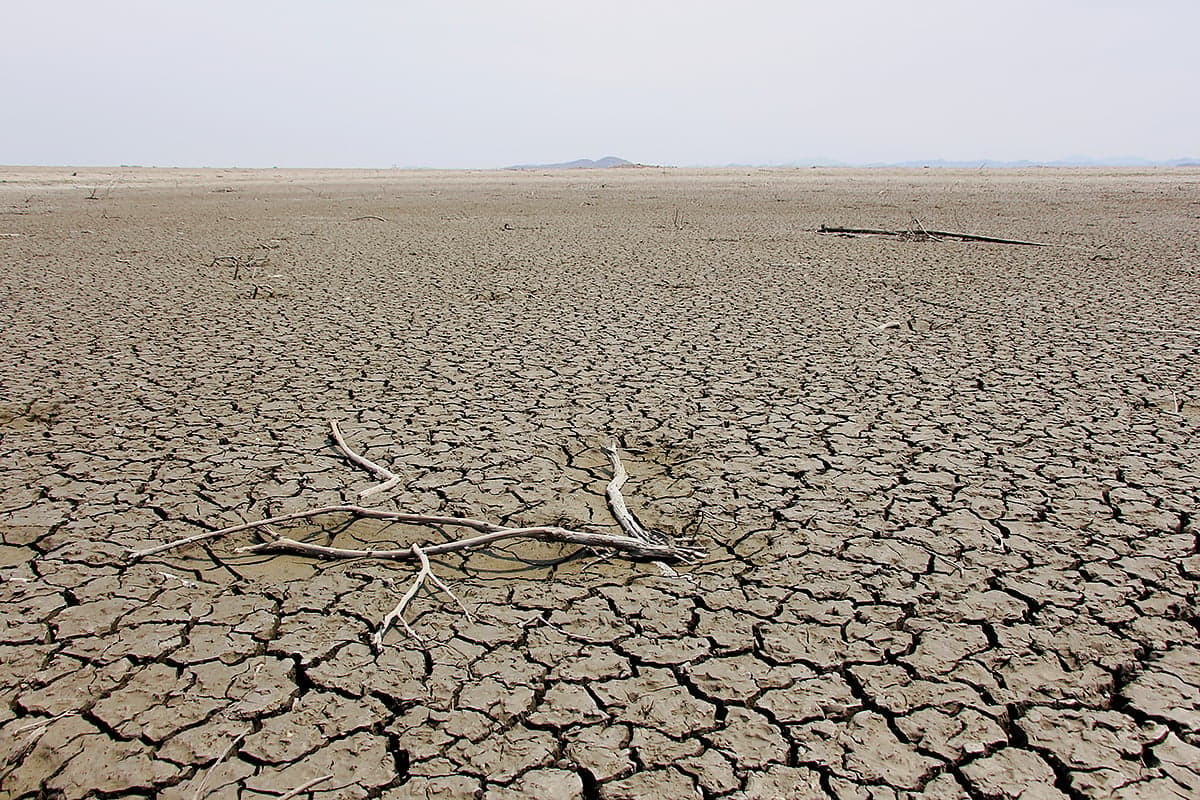
The Piura valley, a linchpin of Peru’s fruit and avocado export market, has been hammered by an unprecedented drought that slashed yields and left thousands of families without reliable water. Beyond the immediate loss of crops, the crisis exposed structural flaws: more than half of the region’s 725,000 hectares of arable land lack irrigation, and large agribusinesses dominate water licences, capturing 93% of allocations since 2010. As climate volatility intensifies, the economic stakes rise—regional losses now exceed 1.3 bn soles, threatening the livelihoods of 60,000 workers and the nation’s trade balance.
China’s entry into the Piura water arena reflects a broader strategy to secure supply chains for its growing demand for Latin American produce. The Alto Piura Special Irrigation and Hydroelectric Project (Peihap) envisions a 33‑km trans‑Andean pipeline, a new dam, and 300 MW of power to irrigate 50,000 hectares, while a parallel study targets the Poechos reservoir, whose effective capacity has fallen below 50% of its original billion‑cubic‑metre design. Yet the path from feasibility to construction is littered with political roadblocks: budget announcements have repeatedly stalled, and the upcoming presidential election adds uncertainty. Financing gaps and past arbitration disputes suggest that, without a solid contractual framework, the projects may not break ground until after 2027.
If the megaprojects materialize, they could transform Piura’s water landscape, restoring Poechos to serve nearly one million residents and expanding irrigated acreage to support export‑grade mangoes, lemons, and avocados. However, technical solutions must be paired with nature‑based measures—reforestation of the upper basin, sustainable groundwater management, and equitable water‑licence reforms—to avoid repeating past failures. Stakeholders from local cooperatives to multinational buyers will be watching closely, as the outcome will set a precedent for how emerging economies leverage foreign expertise to address climate‑driven water crises while safeguarding economic growth.
Will Chinese megaprojects solve northern Peru’s water crisis?
Comments
Want to join the conversation?
Loading comments...