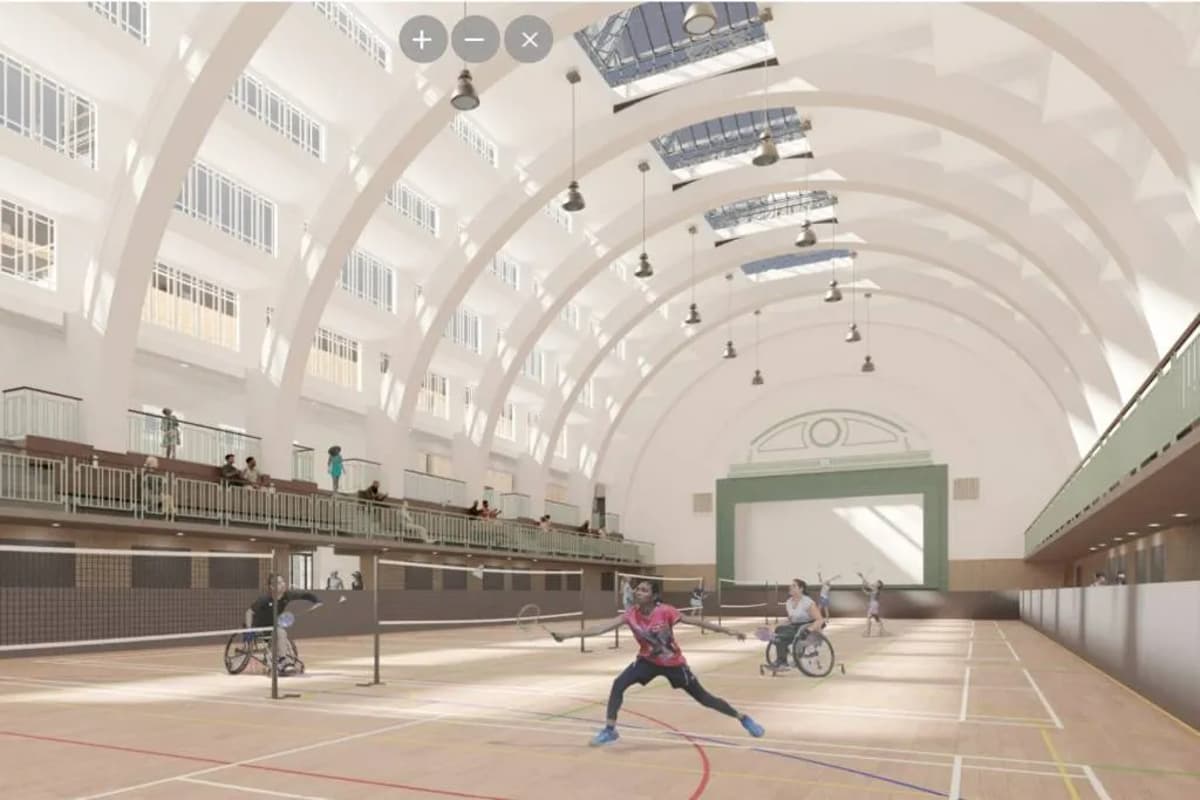
Willmott Dixon Leisure Centre Revamp Soars in Time and Cost
Why It Matters
The delay and cost escalation strain public finances and postpone community access to modern sports facilities, highlighting the risks of renovating heritage sites. It also underscores the need for more rigorous pre‑construction surveys in public‑sector projects.
Key Takeaways
- •Project delayed six months, now targeting spring 2027.
- •Costs rose to £44.1 m ($56.5 m) plus client‑side forecast £50.4 m.
- •Unforeseen asbestos, heritage windows, and hidden concrete caused overruns.
- •Contractor received £1.3 m ($1.7 m) fee increase to £37.9 m.
- •Council approved £3.9 m budget boost, extending programme 27 weeks.
Pulse Analysis
Renovating heritage structures like the 1930s Seymour Leisure Centre presents a unique blend of architectural stewardship and modern construction demands. While preserving historic façades and listed features can enhance community value, it also introduces hidden complexities—such as asbestos abatement, fragile heritage windows, and undocumented structural elements—that are rarely captured in initial surveys. These latent conditions often trigger costly change orders, as seen in the Seymour project where a concealed concrete soffit stalled mechanical installations and forced design revisions.
For Westminster Council, the financial ripple effect is significant. The original budget of £40.2 million has swelled to £44.1 million ($56.5 million) after a £3.9 million council‑approved increase, and the client‑side forecast now tops £50.4 million ($64.5 million). This escalation consumes a larger share of public funds, delaying the delivery of a modern pool, gym, and library that residents rely on. Moreover, the council’s decision to extend the programme by 27 weeks reflects a pragmatic response to mitigate further overruns, but it also postpones the anticipated social and health benefits tied to the centre’s reopening.
The Seymour case underscores broader industry lessons about risk allocation and due diligence. Contractors and public owners must invest in comprehensive, high‑resolution surveys and allocate realistic contingencies for heritage‑specific challenges. Failure to do so can erode stakeholder confidence and impact a firm’s reputation—Willmott Dixon, for instance, faced a £1.3 million fee increase to cover unforeseen work. As local authorities increasingly pursue legacy‑building upgrades, the balance between preserving cultural assets and controlling costs will remain a pivotal strategic consideration.
Willmott Dixon leisure centre revamp soars in time and cost
Comments
Want to join the conversation?
Loading comments...