4 Minimalist Phones That Aren’t Toys, and One You Should Skip
Key Takeaways
- •Light Phone III costs up to $799, offers premium build, no app store
- •Minimal Phone’s e‑paper screen forces disciplined app use, $399‑$599
- •Mudita Kompakt prioritizes privacy, sold for $379 on sale, limited camera
- •Wisephone II adds $14.99/month subscription, loss of features if unpaid
Pulse Analysis
Minimalist phones have moved from niche hobbyist projects to a recognizable segment of the consumer market, driven by rising concerns over screen addiction and data privacy. Companies like Light Phone, Minimal, Mudita, and Wisephone are betting that users will pay a premium for hardware that enforces digital restraint. The trade‑off is clear: stripped‑down operating systems, limited app ecosystems, and in some cases, slower e‑ink displays that deliberately reduce the temptation to scroll. This shift mirrors broader trends in tech, where software bloat is being countered with purpose‑built devices that prioritize focus over functionality.
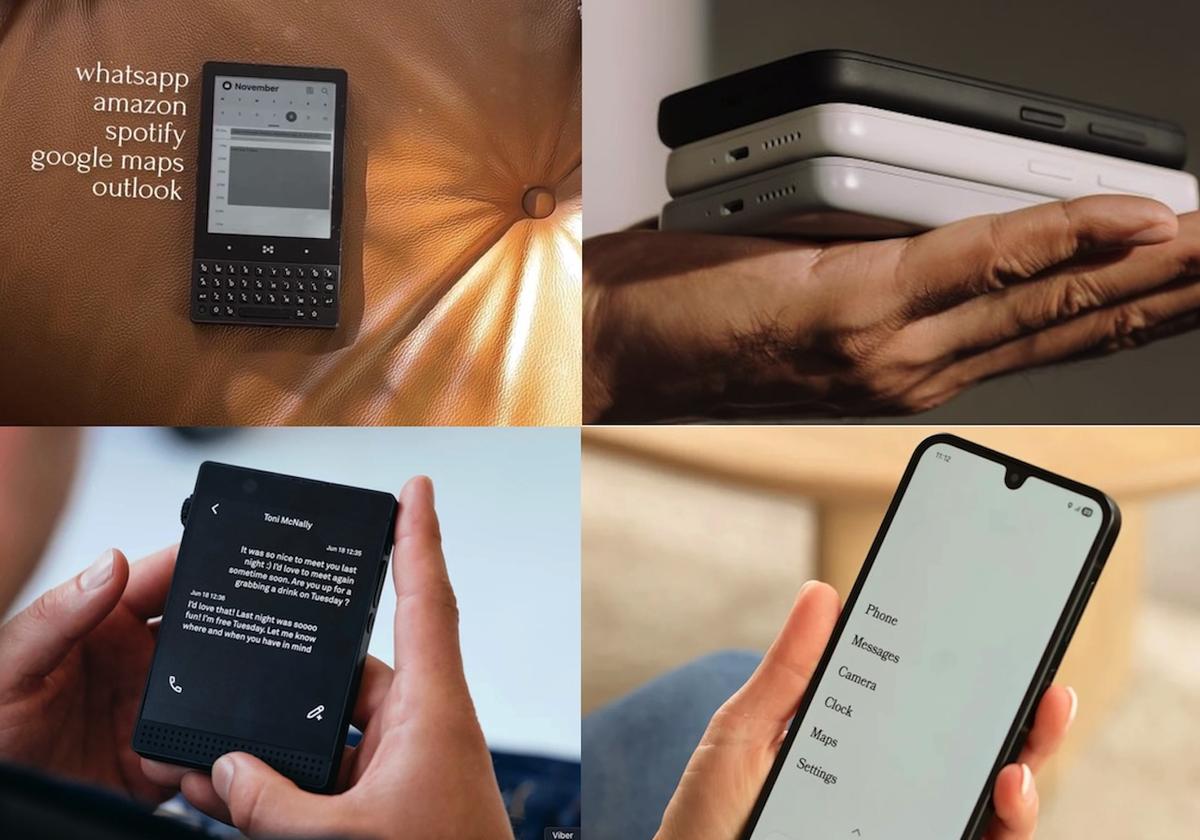
Each of the four phones reviewed offers a distinct value proposition. Light Phone III commands the highest price but delivers a sleek 5G experience, a 50 MP camera, and a tactile side wheel for navigation, appealing to users who want a premium feel without the usual distractions. The Minimal Phone leverages a 4.3‑inch e‑paper screen and stock Android, allowing essential apps while making social media practically unusable. Mudita Kompakt targets privacy‑conscious consumers with a de‑Googled OS and an e‑ink interface, though its camera is subpar. Wisephone II differentiates itself by pairing a mainstream Samsung Galaxy A16 chassis with a curated software layer, but it ties core functionality to a $14.99 monthly subscription, turning the device into a service rather than a one‑time purchase.
For most buyers, the decision hinges on budget, desired features, and tolerance for ongoing costs. If a user values a fully functional camera, reliable navigation, and is comfortable with a subscription, Wisephone II offers the closest experience to a conventional smartphone while still limiting distractions. Those who prefer a true hardware‑enforced break from apps may gravitate toward the Minimal Phone or Mudida Kompakt, accepting slower e‑ink performance for privacy and discipline. Ultimately, many consumers can achieve comparable screen‑time reductions with built‑in OS tools like Focus mode, making a costly minimalist handset unnecessary for casual digital‑wellbeing goals.
4 Minimalist Phones That Aren’t Toys, and One You Should Skip
Comments
Want to join the conversation?