Key Takeaways
- •Full‑lume dials use Super‑LumiNova, replacing radium and tritium
- •Prices range from $425 quartz Tissot to $50,000 titanium F.P. Journe
- •Dive, sport, pilot, and haute‑horlogerie models now feature full‑lume
- •TAG Heuer Aquaracer offers DLC case with 43 mm full‑lume dial
- •IWC Black Aces provides 72‑hour power reserve with ceramic case
Pulse Analysis
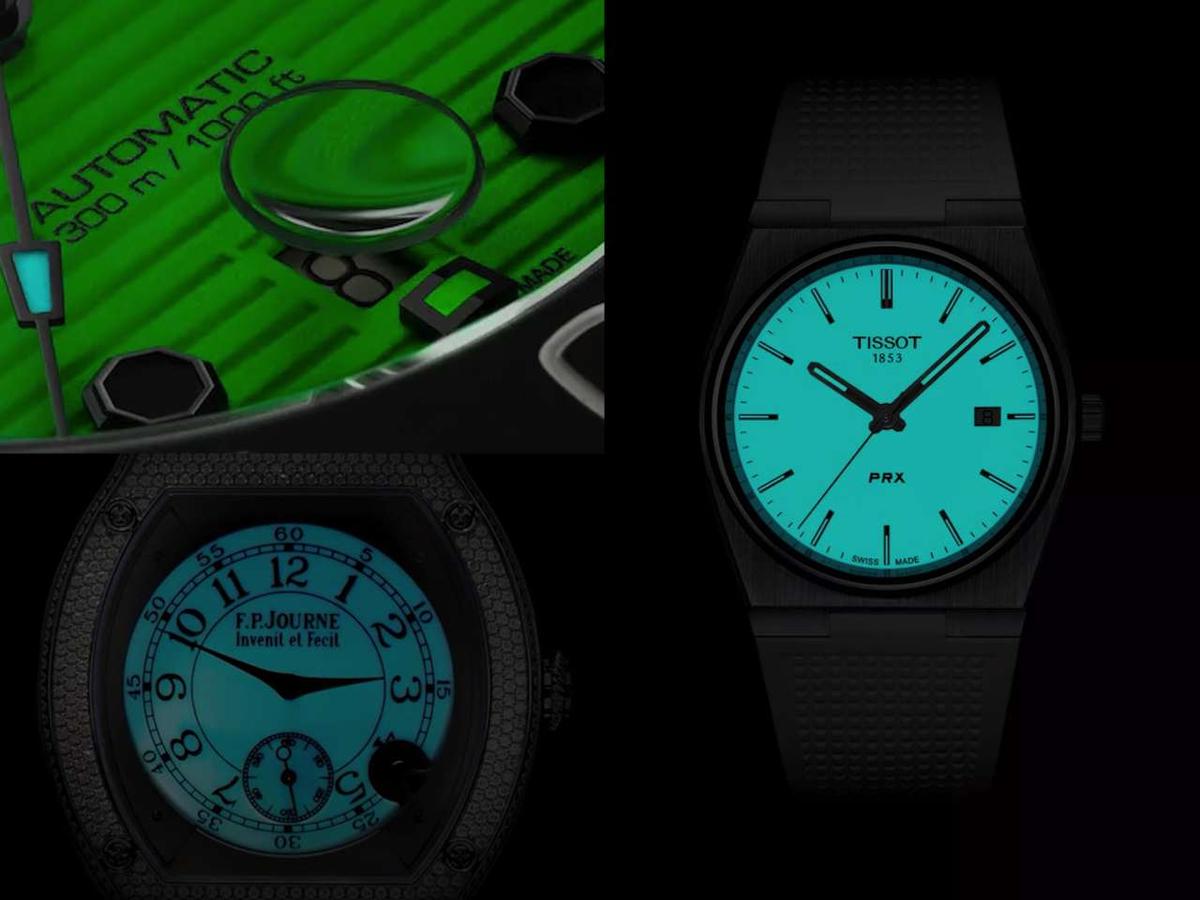
Luminous watch dials have come a long way since the early 1900s, when radium paint lit up aircraft cockpits at the cost of radiation exposure. The industry shifted to tritium in the 1960s, offering a safer but still radioactive solution, before embracing strontium‑aluminate‑based Super‑LumiNova in the 1990s. This non‑radioactive pigment stores light efficiently and releases a bright green glow for hours, making it the standard for modern full‑lume dials. By coating the entire face rather than just indices and hands, manufacturers create a uniform night‑time readability that also serves as a striking visual statement.
Today, full‑lume dials have moved from niche curiosities to mainstream offerings across price tiers. Entry‑level brands like Tissot leverage quartz movements to keep costs low while delivering a creamy‑by‑day dial that transforms into vivid green after dark. Mid‑range players such as TAG Heuer and Doxa integrate the technology into robust dive watches, pairing DLC‑treated cases or forged‑carbon shells with automatic calibers. Luxury houses, exemplified by IWC and F.P. Journe, use high‑grade ceramics or titanium and combine full‑lume faces with sophisticated movements, underscoring that glow‑in‑the‑dark is now a legitimate design language rather than a gimmick. This diffusion reflects consumer demand for watches that are both functional in low‑light environments and visually distinctive on the wrist.
Looking ahead, the full‑lume market may intersect with emerging illumination technologies like micro‑LED or phosphorescent nanomaterials, promising even brighter, longer‑lasting glows without compromising durability. Sustainability concerns also push manufacturers to explore recyclable pigments and energy‑efficient production methods. As smart‑watch ecosystems grow, traditional mechanical pieces that offer a tactile, luminous experience could carve out a niche for enthusiasts seeking analog authenticity paired with night‑time practicality. Brands that innovate in luminescence while maintaining heritage craftsmanship are likely to capture both the collector’s eye and the everyday wearer’s interest, reinforcing full‑lume dials as a lasting trend in horology.
5 Watches Where the Entire Dial Glows in the Dark
Comments
Want to join the conversation?