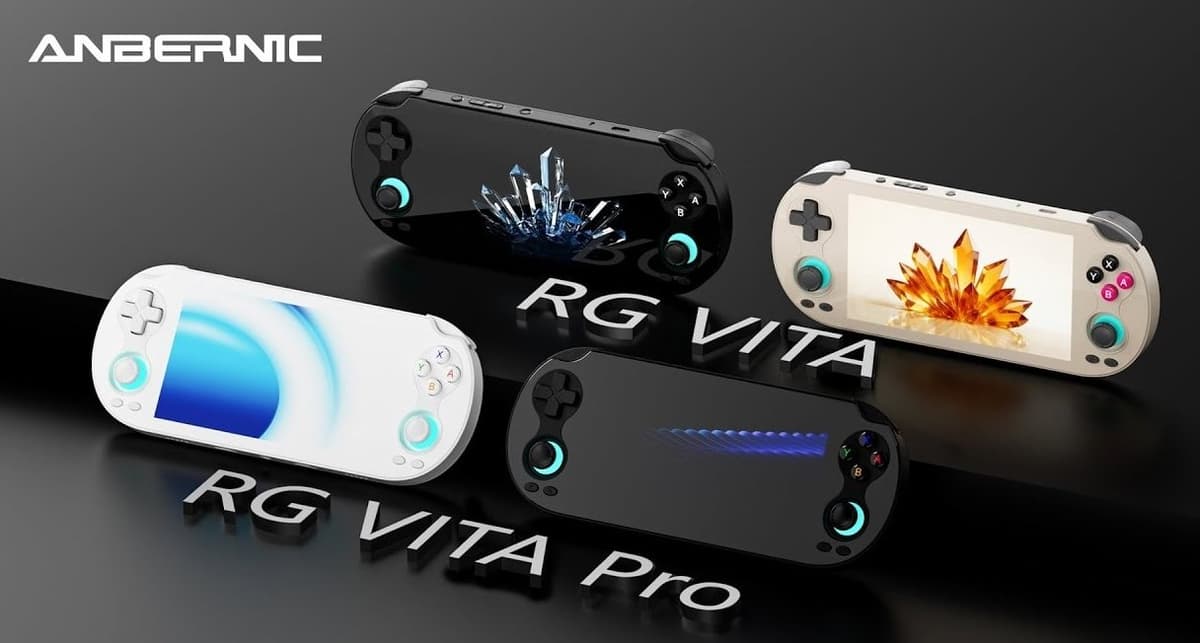
Anbernic RG Vita and RG Vita Pro Are Android Handheld Game Consoles with Familiar Design
•March 9, 2026
0
Key Takeaways
- •RG Vita Pro features 5.5‑inch 1080p display, 4 GB RAM
- •Entry‑level RG Vita runs Android 12 on Unisoc T618
- •Both devices mimic PlayStation Vita design, targeting retro gamers
- •Pro model better suited for demanding emulation workloads
- •Expected pricing under $100 for base model, higher for Pro
Summary
Chinese manufacturer Anbernic is set to release two Android handheld consoles, the RG Vita and RG Vita Pro, that closely resemble Sony’s PlayStation Vita in form factor. The entry‑level RG Vita uses a Unisoc T618 processor, 3 GB RAM, 64 GB storage and a 5.46‑inch 720p screen, while the Pro upgrades to a Rockchip RK3576, 4 GB RAM and a 5.5‑inch 1080p display. Both run Android 12 and target retro‑gaming and Android game enthusiasts, with the Pro aimed at more demanding emulation. Pricing has not been disclosed but analysts expect the base model to stay below $100.
Pulse Analysis
The handheld gaming segment has surged as consumers look for portable experiences that blend nostalgia with modern convenience. Android‑based devices fill a niche by supporting a vast library of mobile titles and emulators, yet many suffer from bulky designs or sub‑par ergonomics. Anbernic’s decision to echo the iconic PlayStation Vita aesthetic taps into a decade‑old brand memory, offering a familiar button layout and form factor that can attract both longtime Vita fans and newcomers seeking a comfortable grip for extended play sessions.
Under the hood, the RG Vita and its Pro counterpart differentiate themselves primarily through processor choice and display quality. The entry model’s Unisoc T618, paired with 3 GB of RAM and a 720p IPS panel, is adequate for classic PSP and retro Android games but may stumble with higher‑intensity emulation, especially for titles originally built for the Vita’s own hardware. The Pro’s Rockchip RK3576, 4 GB RAM, and full‑HD screen provide a noticeable performance bump, positioning it as a more viable platform for demanding emulators such as Dolphin or Yuzu. Battery capacity remains generous at 5,000 mAh, ensuring several hours of gameplay, while Android 12 offers a familiar software environment for developers and users alike.
From a market perspective, Anbernic’s pricing strategy—projected under $100 for the base unit—could reshape expectations for budget handhelds. By delivering a device that feels premium in design but remains cost‑effective, the company may pressure rivals like GPD and Aya Neo to reconsider their price‑to‑spec ratios. Moreover, the blend of retro‑gaming appeal and Android flexibility positions the RG Vita line as a gateway for consumers hesitant to invest in higher‑end consoles, potentially expanding the overall handheld ecosystem and reinforcing the viability of niche, design‑driven products.
Comments
Want to join the conversation?