Key Takeaways
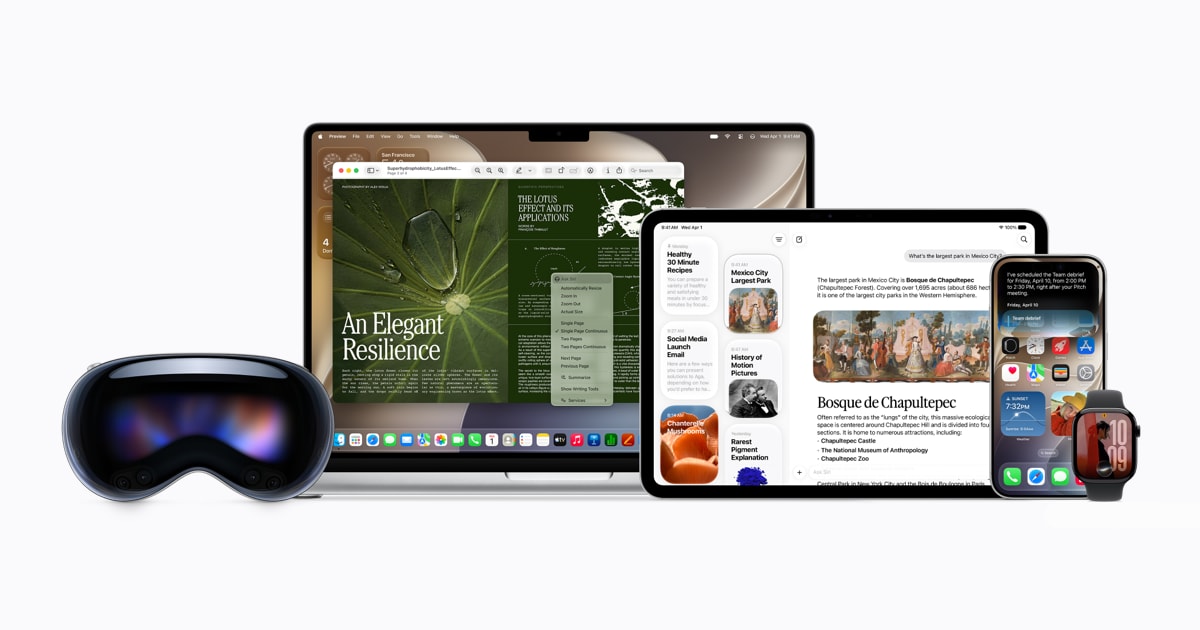
- •Siri AI runs on Apple Intelligence, merging generative AI with on‑device context
- •Personal data from messages, email, and photos fuels more accurate answers
- •Third‑party apps can participate via App Intents and App Schemas
- •On‑screen awareness lets Siri answer questions about current screen content
Pulse Analysis
Apple’s introduction of Siri AI marks a decisive move toward a privacy‑centric generative assistant. While rivals such as OpenAI’s ChatGPT and Anthropic’s Claude rely on cloud‑based models, Apple leverages its Apple Intelligence stack to keep most processing on the device. This architecture allows Siri to draw on a user’s personal context—emails, messages, photos—without transmitting raw data to external servers, reinforcing Apple’s long‑standing brand promise of data security. The shift also reflects a broader industry trend where large tech firms are embedding large language models directly into operating systems to create seamless, always‑available assistance.
Beyond privacy, Siri AI’s real differentiator lies in its deep integration with the iOS ecosystem. Developers can expose app functionality through App Intents and App Schemas, enabling Siri to trigger actions like drafting emails, editing photo albums, or retrieving reservation numbers across third‑party services. This system‑wide app action model could accelerate productivity workflows for both consumers and enterprise users, turning the voice assistant into a genuine command hub rather than a simple query tool. Early demos show Siri pulling a restaurant recommendation from a friend’s message and surfacing a hotel confirmation from an old email—use cases that illustrate the practical value of contextual awareness.
The market implications are significant. By marrying generative AI with on‑device personalization, Apple positions Siri as a unique alternative to cloud‑only assistants, potentially attracting privacy‑concerned users and enterprises. Success will hinge on developer adoption of the new intent framework and Apple’s ability to scale the underlying models without compromising performance. If executed well, Siri AI could redefine voice interaction standards, pressure competitors to prioritize on‑device processing, and deepen the lock‑in effect of Apple’s hardware‑software ecosystem.
Apple Introduces Siri AI
Comments
Want to join the conversation?